The Hunter Gatherer Society
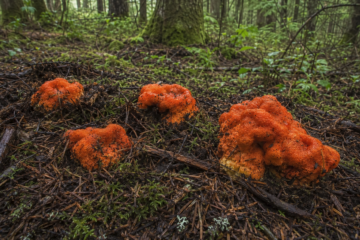
Chicken of the woods mushroom growing in bright orange shelves on a tree trunk in a forest for a wild mushroom identification guide

Chicken of the Woods Identification Guide: Edibility, Uses, Harvesting, and Complete Field Guide

Chicken of the woods is one of those wild mushrooms that can stop you in your tracks. Bright orange shelves glow from tree trunks, fallen logs, and old stumps like something placed there on purpose. For many beginner mushroom hunters, chicken of the woods is one of the first edible wild mushrooms that feels truly approachable. It is bold, colorful, easy to spot, and very different from many gilled mushrooms. But easy to spot does not mean careless to harvest. Chicken of the woods is the common name for several mushrooms in the Laetiporus group. These mushrooms grow from wood, usually form shelves or rosettes, and have tiny pores underneath instead of gills. Some species grow on hardwoods, while others[…]

Read more
Common dandelion plant showing yellow flowers, seed head, leaves, and taproot used for identification and foraging.

Dandelion Identification Guide: Edibility, Uses, Harvesting, and Complete Field Guide

Introduction This Dandelion Identification Guide helps beginners confidently identify, harvest, and use one of the most common wild edible plants in North America. If you learn only one plant first, make it the dandelion. I’ve harvested dandelions across multiple states, and they remain one of the easiest, safest, and most useful wild foods you can gather. From bright yellow flowers to nutritious greens and versatile roots, you can use nearly every part of the plant. Many people spend years trying to remove dandelions from their lawns without realizing they are looking at a nutritious edible plant that has been used for food for centuries. Learning how to identify dandelions correctly is one of the easiest ways to build confidence as[…]

Read more
Broadleaf plantain (Plantago major) growing beside a gravel trail showing distinctive parallel leaf veins and seed stalks

Plantain (Plantago): Identification, Edibility, Uses, Harvesting, and Complete Field Guide

Introduction If there is one wild edible plant that almost everyone has seen but few people recognize, it is plantain. Not the tropical fruit found in grocery stores, but the common lawn and trail plant in the genus Plantago. It grows in yards, parks, campgrounds, gravel roads, logging trails, and disturbed ground across North America. Chances are you have stepped over it hundreds of times without realizing it. Plantain is one of the first wild edible plants I teach beginners to identify because it is widespread, useful, relatively easy to recognize, and available through much of the year. Here in the Pacific Northwest, I encounter it almost everywhere I hike, camp, fish, forage, and ride my ebike. Many foragers focus[…]

Read more
Wild foods to forage in late June and early July including blackberries, chanterelles, nettles, and dandelion roots in a rustic foraging basket

Top 10 Wild Foods to Forage in Late June and Early July

Beginner-Friendly Wild Edibles You Can Learn This Summer Late June and early July are some of the best times of year to begin learning about wild foods to forage in late June and early July. Trails are alive with edible plants, berry patches begin producing heavily, summer greens are thriving, and beginner-friendly mushrooms start appearing across much of North America. Most importantly, many of these wild foods are common, easy to identify, and incredibly rewarding to harvest. You do not need deep wilderness or advanced survival knowledge to start learning. Many of the best edible wild plants grow: This guide covers ten of the best wild foods to forage in late June and early July for beginner foragers, including: If[…]

Read more
Wood sorrel (Oxalis) growing along a shaded forest trail

Wood Sorrel (Oxalis): The Lemon Lime Wild Edible Every Forager Should Know

Some plants just make you smile every time you see them. While exploring trails recently, I kept noticing bright green patches of wood sorrel covering the forest floor beneath the trees. Once you start recognizing it, you realize it seems to appear everywhere in the right conditions. I have eaten wood sorrel many times over the years, but finding so much of it growing along these trails still made me stop and smile. That bright lemon lime flavor never gets old. Wood sorrel, also known as Oxalis, has been one of my favorite wild trail snacks for years. It is one of those plants that feels like a small hidden reward once you learn how to recognize it. What Is[…]

Read more
Social Share Buttons and Icons powered by Ultimatelysocial