The Hunter Gatherer Society
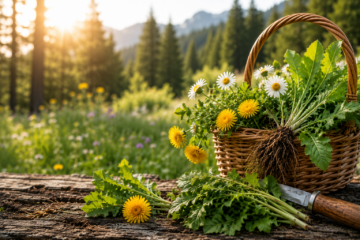
Wild foods to forage in late June and early July including blackberries, chanterelles, nettles, and dandelion roots in a rustic foraging basket

Top 10 Wild Foods to Forage in Late June and Early July

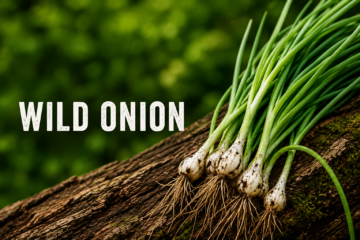
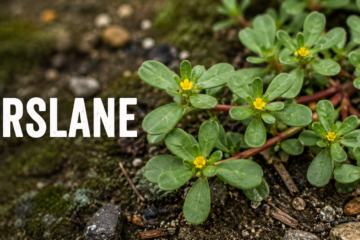
Beginner-Friendly Wild Edibles You Can Learn This Summer Late June and early July are some of the best times of year to begin learning about wild foods to forage in late June and early July. Trails are alive with edible plants, berry patches begin producing heavily, summer greens are thriving, and beginner-friendly mushrooms start appearing across much of North America. Most importantly, many of these wild foods are common, easy to identify, and incredibly rewarding to harvest. You do not need deep wilderness or advanced survival knowledge to start learning. Many of the best edible wild plants grow: This guide covers ten of the best wild foods to forage in late June and early July for beginner foragers, including: If[…]

Read more
Beginner mushroom forager identifying dangerous Amanita mushroom warning signs in an oak forest

California Mushroom Poisonings: Beginner Safety Guide to Dangerous Amanita Mushrooms

Recent California mushroom poisonings linked to deadly Amanita mushrooms have renewed conversations about mushroom foraging safety across the West Coast. For beginner foragers, these incidents are not a reason to fear wild mushrooms. They are a reminder that safe mushroom identification starts with learning a few important warning signs first. Fortunately, beginner mushroom safety does not require memorizing hundreds of species. Learning how to recognize dangerous mushrooms like death caps and destroying angels can dramatically reduce risk while building long-term foraging confidence. Mushroom foraging can still be one of the most rewarding ways to connect with nature. The key is learning carefully, slowing down, and building knowledge one species at a time. What Happened in the Recent California Mushroom Poisonings?[…]

Read more
Person calmly harvesting wild greens with small basket showing ethical foraging

How to Become a Confident, Ethical, and Structured Forager

Bringing the Entire System Together Over the past several weeks, you have done more than gather information. You have built a framework. At the beginning, safety anchored everything. Then identification skills strengthened your confidence. As the weeks progressed, seasonal awareness added timing. Mapping introduced strategy. Finally, preparation gave you direction. If you need to revisit the seasonal planning structure, review Week 11 here:How to Prepare for a Full Foraging Season With a Simple Action Planhttps://thehgsociety.com/prepare-for-foraging-season Now it is time to step back and look at what you have actually created. Because becoming a confident forager is not about memorizing more species. Instead, it is about integrating safety, ethics, observation, documentation, and restraint into one repeatable personal system. Confidence develops from[…]

Read more
Organized foraging gear and notebook outdoors preparing for full foraging season

How to Prepare for a Full Foraging Season With a Simple Action Plan

Why Preparation Determines Your Success You now understand how to track productive locations and build a personal foraging map. If you missed last week’s article, review it here:How to Create a Personal Foraging Map and Track Productive Locationshttps://thehgsociety.com/personal-foraging-map Mapping strengthens strategy. However, strategy becomes powerful only when paired with preparation. A successful foraging season rarely happens by accident. Instead, it develops from clear intention, steady focus, and simple structure. Today, you will learn how to prepare for a full foraging season without overwhelm. The Beginner Forager Framework New articles every Thursday at 6:00 PM This article continues our 12-week progression. Each week has added another layer of confidence and clarity. Now we bring those layers together into a seasonal plan.[…]

Read more
Notebook and smartphone map outdoors showing personal foraging map and location tracking

How to Create a Personal Foraging Map and Track Productive Locations

Why Mapping Improves Foraging Success By now, you have begun building real foraging confidence. If you missed last week’s discussion, review it here:Foraging Confidence: How to Trust Your Identification Skillshttps://thehgsociety.com/foraging-confidence/ Confidence, however, becomes far more powerful when it connects to place. Instead of wandering randomly, experienced foragers return to productive areas intentionally. They remember where a patch thrived. They track when mushrooms appeared. Over time, they notice patterns that guide future trips. In other words, they map. A personal foraging map transforms scattered discoveries into a repeatable system. The Beginner Forager Framework New articles every Thursday at 6:00 PM This article continues our 12-week progression. Each week strengthens your structure as well as your skill. Today, you will learn how[…]

Read more
Social Share Buttons and Icons powered by Ultimatelysocial