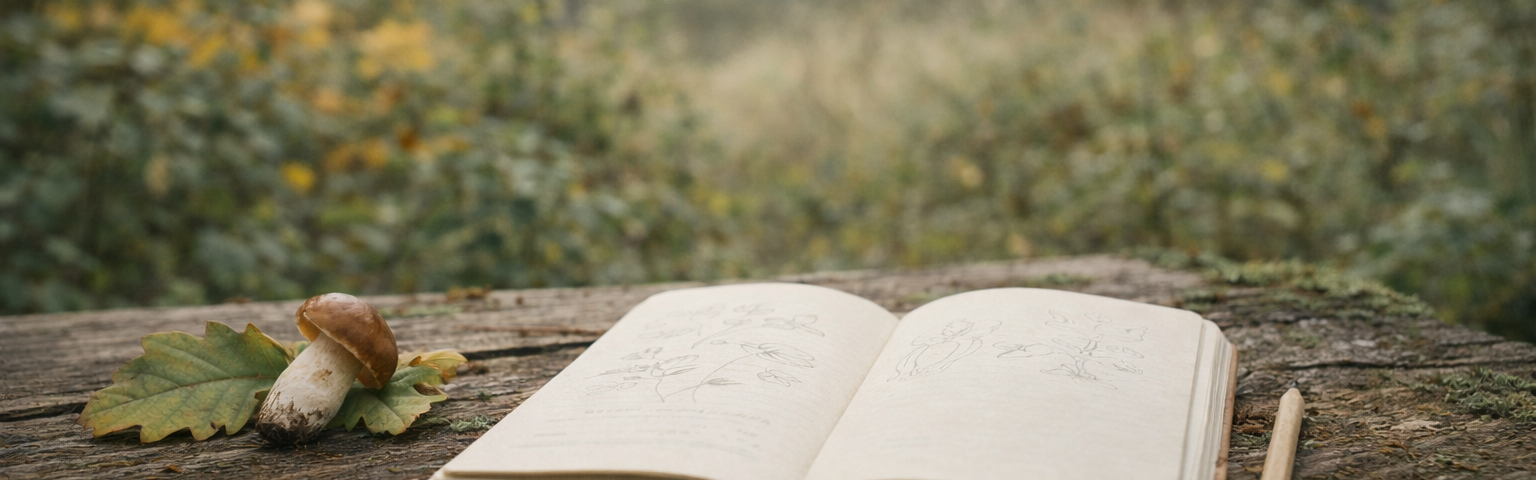
Why Seasonal Awareness Changes Everything
Responsible foraging protects the ecosystem. However, seasonal awareness allows you to work with it instead of simply harvesting from it.
If you missed last week’s discussion on stewardship, review it here:
Responsible Foraging: How to Protect the Ecosystem While Harvesting
https://thehgsociety.com/responsible-foraging-guide/
Now we move one step deeper.
Instead of asking only, “Is this edible?” begin asking, “Is this the right time?”
That shift changes how you forage.
When timing improves, quality improves. Moreover, confidence grows naturally because you are no longer guessing.
The Beginner Forager Framework
New articles every Thursday at 6:00 PM
This article continues our 12-week progression. Each week builds on the previous one so skill develops steadily.
Today, you will learn how to build seasonal awareness in foraging and improve your harvest success.
What Is Seasonal Awareness in Foraging?
Seasonal awareness in foraging means understanding how plants and mushrooms change throughout the year.
Growth cycles respond to environmental cues such as temperature, rainfall, soil moisture, and day length. Consequently, a plant that tastes tender in early spring may become fibrous in summer heat. Likewise, mushrooms often appear only after specific moisture patterns.
Because of these variables, identification alone is not enough.
Timing determines quality.
Why Beginners Struggle Without Seasonal Awareness
Many beginners depend heavily on field guides. While guides are essential, they cannot predict local weather shifts.
For example, a guide may list late summer as fruiting season. However, prolonged heat or drought can delay growth significantly. On the other hand, early rainfall may accelerate it.
Without seasonal awareness, beginners often arrive too early or too late. As a result, they harvest overly mature specimens or miss prime conditions entirely.
Frustration usually follows.
Fortunately, seasonal awareness is a skill you can build intentionally.
Start With Observation, Not Harvesting
Observation is the fastest way to improve timing.
When hiking or exploring, take photos of plants and mushrooms even if you do not plan to harvest them. Notice leaf size, color, moisture, surrounding vegetation, and overall health.
Then return to the same location a week or two later.
Compare the changes.
Has growth accelerated?
Have flowers appeared?
Did leaves toughen or yellow?
By making these small comparisons, you begin recognizing patterns. Over time, those patterns become predictive.
Focus on One Plant and One Mushroom Per Month
You do not need to memorize every species.
Instead, study one plant and one mushroom each month. Research their growth stages. Watch how they respond to weather shifts. Document their changes carefully.
By the end of one year, you will deeply understand twelve plants and twelve mushrooms. That focused knowledge builds more confidence than surface familiarity with dozens.
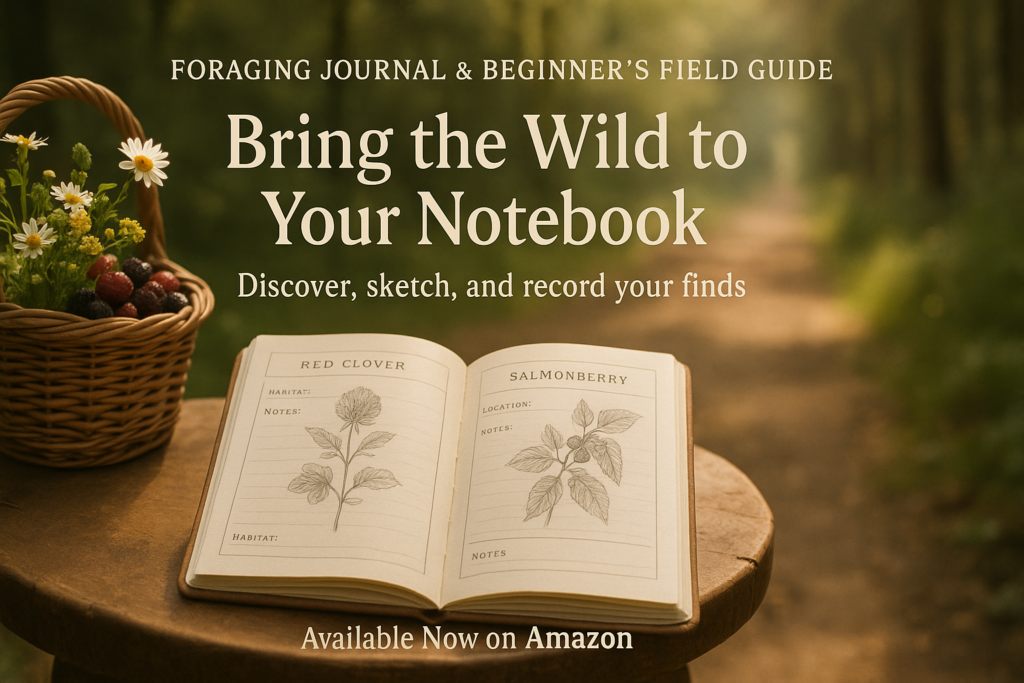
If you want structure for this method, the Beginner Field Guide & Foraging Journal was designed to support this exact approach:
https://www.amazon.com/dp/B0FSF3RM3W
Watch Environmental Signals Closely
Seasonal awareness goes beyond calendar dates.
Pay attention to:
Consistent rainfall patterns
Sudden temperature drops
Extended dry spells
Early frost events
For instance, many mushrooms appear after steady rain followed by mild temperatures. In contrast, leafy greens often peak before extreme summer heat.
By tracking environmental signals instead of relying on dates alone, you improve harvest timing significantly.
Learn the Difference Between Prime and Past Prime
Quality shifts quickly in wild foods.
Young greens are usually tender and mild. As they mature, bitterness increases and texture becomes tougher. Similarly, mushrooms change from firm and fresh to soft or insect-damaged.
Therefore, evaluate each specimen carefully.
Does it look vibrant and healthy?
Does it feel firm and fresh?
Would you choose it at a market?
If not, leave it behind.
Waiting often improves results.
Use a Simple Seasonal Tracking System
You do not need complicated tools to build awareness.
In your journal, record:
Date
Weather conditions
Location
Growth stage
Quality observations
Over time, patterns emerge.
For example, you may notice that a particular mushroom appears two weeks after heavy autumn rain. Alternatively, you might observe that a certain green becomes bitter by mid-summer.
Documentation transforms observation into prediction. Consequently, prediction strengthens confidence.
Combine Stewardship With Timing
Responsible foraging and seasonal awareness work together.
When a patch appears stressed, delay harvesting. Conversely, when conditions look ideal, harvest lightly and respectfully.
Timing prevents premature harvesting. At the same time, restraint protects future cycles.
Together, these skills create sustainable foraging habits.
Why Seasonal Awareness Builds Confidence
As you begin recognizing natural patterns, uncertainty decreases.
Instead of wandering aimlessly, you move with intention. Rather than reacting randomly, you anticipate changes.
Confidence grows when timing improves.
Seasonal awareness turns foraging into informed participation instead of guesswork.
Frequently Asked Questions About Seasonal Foraging
Why is seasonal awareness important in foraging?
Seasonal awareness helps you harvest at peak quality while protecting plant and mushroom regeneration cycles.
How do beginners track seasonal patterns?
Beginners can document dates, weather conditions, and growth stages in a journal to identify recurring trends.
Do mushrooms grow at the same time every year?
Not necessarily. Weather conditions, especially rainfall and temperature, significantly influence timing.
Continue the Beginner Forager Framework
This week, you learned how seasonal awareness improves foraging success.
Next week, we will explore:
How to Identify and Avoid Common Beginner Foraging Mistakes
A new article goes live every Thursday at 6:00 PM.
Until then, observe carefully. Track consistently. Move with the seasons.
I will see you next Thursday at 6:00 PM.
Foraging Safety Disclaimer
The information provided on this website and in this article is for educational and informational purposes only. Wild plant and mushroom identification carries inherent risks, including the possibility of serious illness, injury, or death if misidentification occurs.
Always verify identification using multiple reliable sources before harvesting or consuming any wild species. Never rely on a single source, photograph, or description. If you are uncertain about the identity of any plant or mushroom, do not harvest or consume it.
Foraging laws and regulations vary by location. You are responsible for understanding and complying with all local, state, and federal regulations before harvesting wild species.
The Hunter Gatherer Society and its authors assume no responsibility or liability for any injury, illness, loss, or damage resulting from the use or misuse of the information provided.
By using this content, you acknowledge that all decisions related to harvesting and consumption of wild foods are made at your own risk.


