Why Preparation Determines Your Success
You now understand how to track productive locations and build a personal foraging map.
If you missed last week’s article, review it here:
How to Create a Personal Foraging Map and Track Productive Locations
https://thehgsociety.com/personal-foraging-map
Mapping strengthens strategy. However, strategy becomes powerful only when paired with preparation.
A successful foraging season rarely happens by accident. Instead, it develops from clear intention, steady focus, and simple structure.
Today, you will learn how to prepare for a full foraging season without overwhelm.
The Beginner Forager Framework
New articles every Thursday at 6:00 PM
This article continues our 12-week progression. Each week has added another layer of confidence and clarity.
Now we bring those layers together into a seasonal plan.
Step 1: Choose Your Focus Species
Trying to forage everything at once creates confusion.
Instead, select one plant and one mushroom to focus on during the upcoming month. Research their seasonal timing. Review identification features. Study habitat preferences.
When your focus remains narrow, depth increases naturally.
Over time, that steady rhythm builds meaningful knowledge.
Step 2: Review Seasonal Timing
Before the season begins, revisit your notes.
When did this species appear last year?
What weather patterns preceded growth?
Did location affect timing?
If you are just beginning, review reliable resources and compare them with local conditions.
Seasonal awareness improves harvest quality dramatically. Therefore, timing should guide your outings.
Preparation reduces wasted trips.
Step 3: Prepare Your Gear Simply
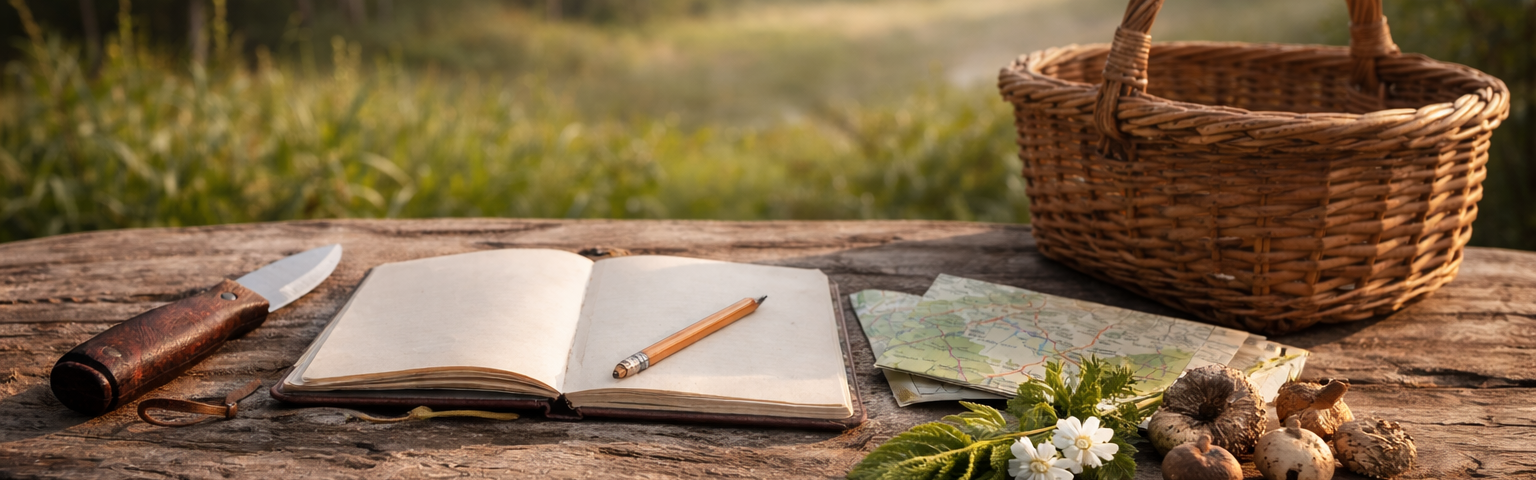
A full foraging season does not require elaborate equipment.
However, a few essentials improve efficiency:
A small knife
A basket or breathable bag
A notebook or journal
Weather-appropriate clothing
Check your tools before heading out. Replace dull blades. Clean baskets. Organize your notebook.
Small preparation steps reduce friction later.
Step 4: Block Time Intentionally
Without scheduled time outdoors, intentions fade quickly.
Look ahead at your calendar and identify realistic windows for exploration. Even short weekly outings create momentum.
Consistency matters more than duration.
Regular exposure increases observation, which strengthens timing and identification.
Step 5: Build Observation Into Every Trip
Not every outing needs to result in harvesting.
Sometimes the goal should be observation only.
Photograph growth stages. Notice habitat shifts. Compare moisture levels between sites. Observe how sunlight affects development.
Observation sharpens instinct.
Over time, those repeated observations build pattern recognition.
Step 6: Track Progress Weekly
A season moves quickly.
Therefore, review your notes each week.
What changed?
Did timing match your expectations?
Were certain areas more productive?
Small adjustments mid-season prevent larger mistakes later.
Tracking creates feedback.
Feedback improves decision-making.
Step 7: Maintain Stewardship Standards
As productivity increases, restraint becomes more important.
Continue applying the principle of leaving more than you take. Avoid overharvesting even when abundance appears strong.
Sustainability protects future seasons.
A successful year should not reduce next year’s opportunity.
Step 8: Reflect at the End of Each Month
At the end of each month, pause.
Which species did you understand more deeply?
Which locations proved reliable?
What mistakes did you correct?
Reflection converts activity into growth.
Without reflection, experience remains scattered.
Use Structure to Prevent Overwhelm
A full foraging season can feel complex.
However, simplicity solves overwhelm.
Focus on one plant.
Focus on one mushroom.
Map locations.
Track timing.
Document results.
That structure repeats month after month.
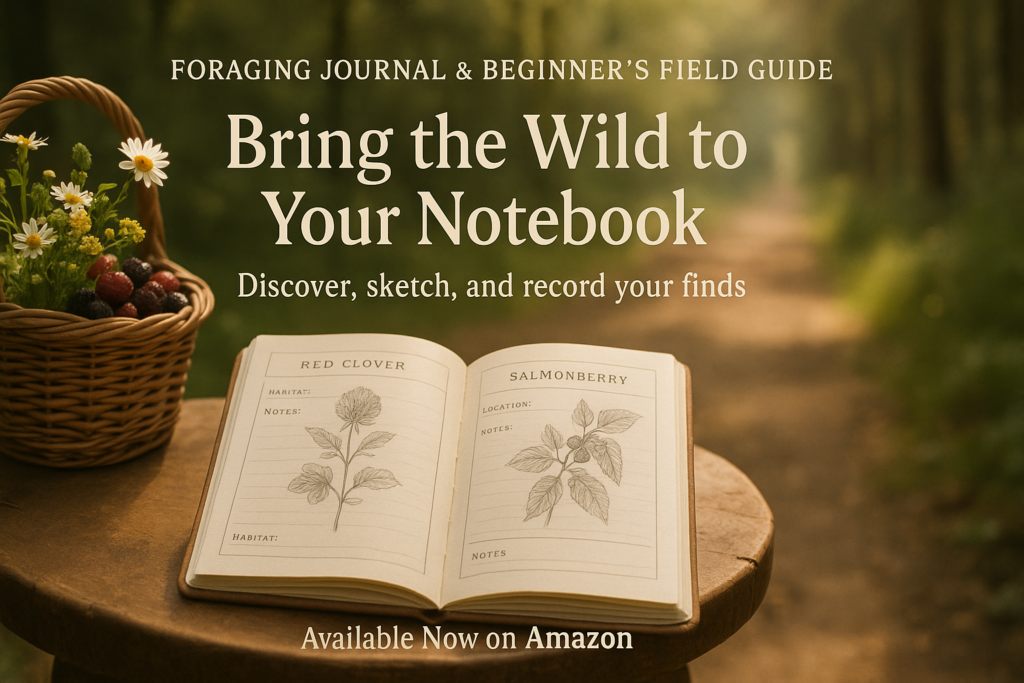
If you want a guided format to organize your notes, timing, and species focus, the Beginner Field Guide & Foraging Journal was created to support exactly this seasonal planning system:
https://www.amazon.com/dp/B0FSF3RM3W
When planning and documentation stay organized, confidence compounds.
Why an Action Plan Builds Confidence
Preparation reduces hesitation.
Instead of wondering what to look for, you already know. Instead of wandering without direction, you move with purpose.
Confidence grows when preparation meets opportunity.
Over time, a structured season feels calm rather than chaotic.
Frequently Asked Questions About Preparing for Foraging Season
How do beginners prepare for a foraging season?
Beginners should choose one plant and one mushroom per month, review seasonal timing, prepare basic gear, and document each outing consistently.
Do I need advanced equipment to forage successfully?
No. A simple knife, breathable container, and notebook are sufficient for most beginners.
How often should I forage during the season?
Regular weekly outings, even if brief, build stronger skills than occasional long trips.
Continue the Beginner Forager Framework
This week, you learned how to prepare for a full foraging season with a simple action plan.
Next week, we will bring everything together:
How to Become a Confident, Ethical, and Structured Forager
A new article goes live every Thursday at 6:00 PM.
Until then, plan intentionally. Observe consistently. Build your season with structure.
I will see you next Thursday at 6:00 PM.
Foraging Safety Disclaimer
The information provided on this website and in this article is for educational and informational purposes only. Wild plant and mushroom identification carries inherent risks, including the possibility of serious illness, injury, or death if misidentification occurs.
Always verify identification using multiple reliable sources before harvesting or consuming any wild species. Never rely on a single source, photograph, or description. If you are uncertain about the identity of any plant or mushroom, do not harvest or consume it.
Foraging laws and regulations vary by location. You are responsible for understanding and complying with all local, state, and federal regulations before harvesting wild species.
The Hunter Gatherer Society and its authors assume no responsibility or liability for any injury, illness, loss, or damage resulting from the use or misuse of the information provided.
By using this content, you acknowledge that all decisions related to harvesting and consumption of wild foods are made at your own risk.


