Foraging for edible plants, mushrooms, seafood, and other wild treasures is more than a way to eat — it’s a way to live with the seasons. I still remember my first chanterelle harvest: kneeling in damp moss, the air laced with pine and woodsmoke, fingers tingling from the October chill. Bringing those golden caps home, brushing off the forest floor, and hearing the faint sizzle as they met the hot pan was the moment I understood that wild food isn’t just sustenance — it’s a sensory experience.
Once you’ve gathered your finds, the key to a memorable meal is safe preparation and flavor‑boosting techniques. Below are three tried‑and‑true methods, each with cooking guidance to keep both taste and safety in harmony.
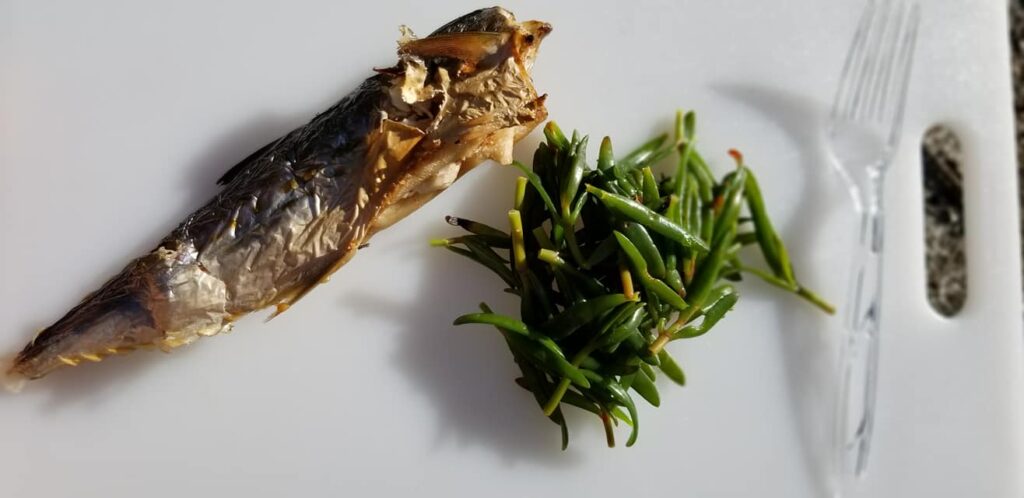
How to Cook Wild Foraged Foods Safely & Deliciously
1. Grill Over an Open Flame
There’s nothing like the smoky, charred flavor you get from cooking over fire. Best for: fresh‑caught fish, shellfish, wild mushrooms, firm fruits like apples or pears, even skewered berries.
Method:
- Preheat your grill or campfire grate until hot (around 400 °F / 200 °C).
- Cook fish fillets for 3–5 minutes per side until the flesh flakes easily.
- Grill mushrooms such as chanterelles or oyster clusters for 5–7 minutes, brushing with oil or wild garlic butter to seal in moisture.
- Fruit caramelizes beautifully in 2–4 minutes per side.
Prep tip: Always clean and trim your ingredients thoroughly to remove grit, insects, or debris.
🥗 2. Build a Wild Greens Salad
A salad made with wild edibles bursts with freshness and nutrients. Best for: dandelion greens, chickweed, sorrel, miner’s lettuce, and other tender wild plants.
Method:
- Rinse leaves thoroughly in cold water.
- Pat dry and chop into bite‑sized pieces.
- Toss with a light vinaigrette — I like a mix of apple cider vinegar and crushed wild mint.
Extra crunch: Add toasted nuts, pumpkin seeds, or edible flowers for texture and visual appeal. Timing note: Tender greens should be eaten fresh within a day of picking for peak flavor and nutrition.
🍲 3. Simmer into Stews & Soups
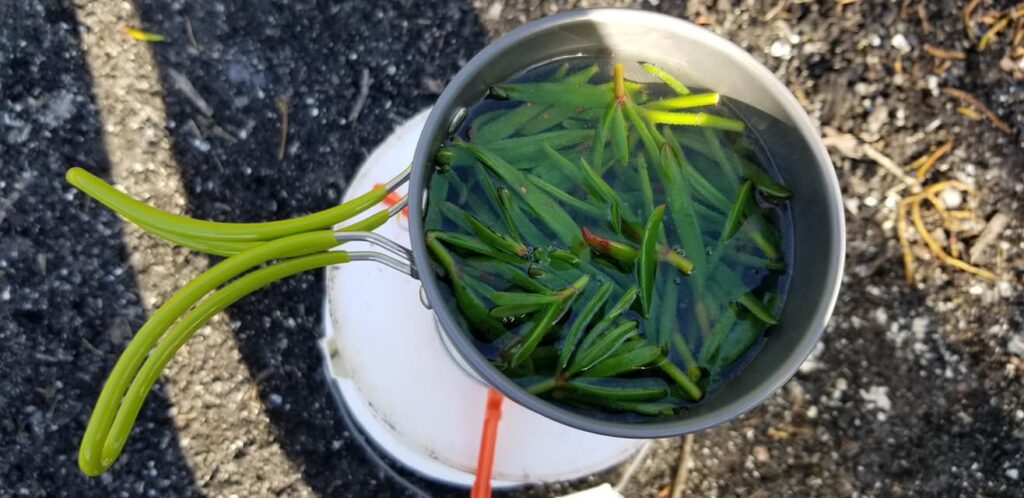
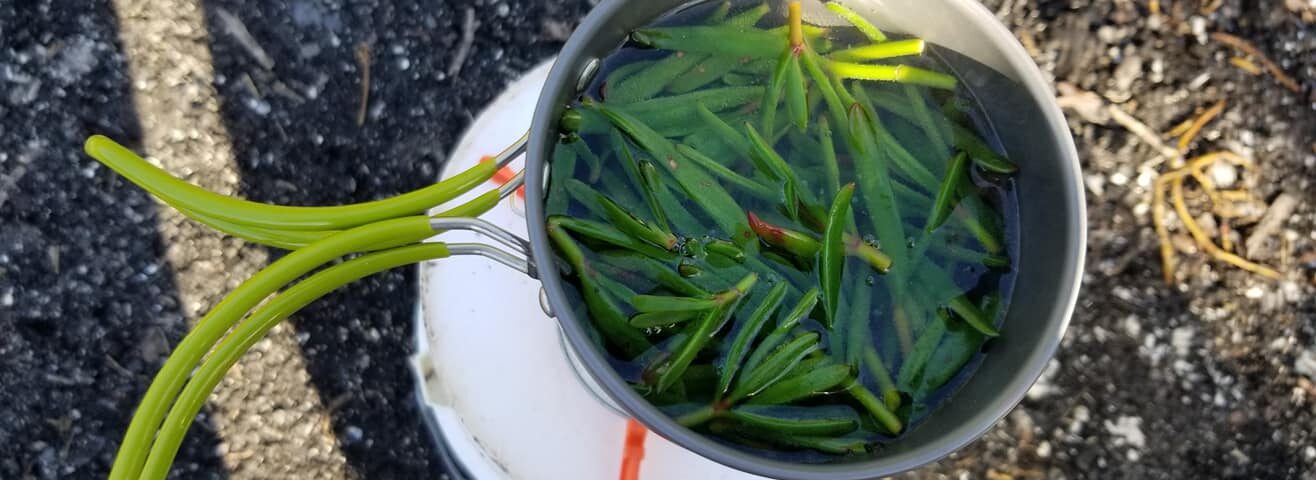
Slow cooking is ideal for tougher wild foods, helping them become tender and flavorful. Best for: roots, hardy greens, game meats, sea purslane, or other coastal plants.
Method:
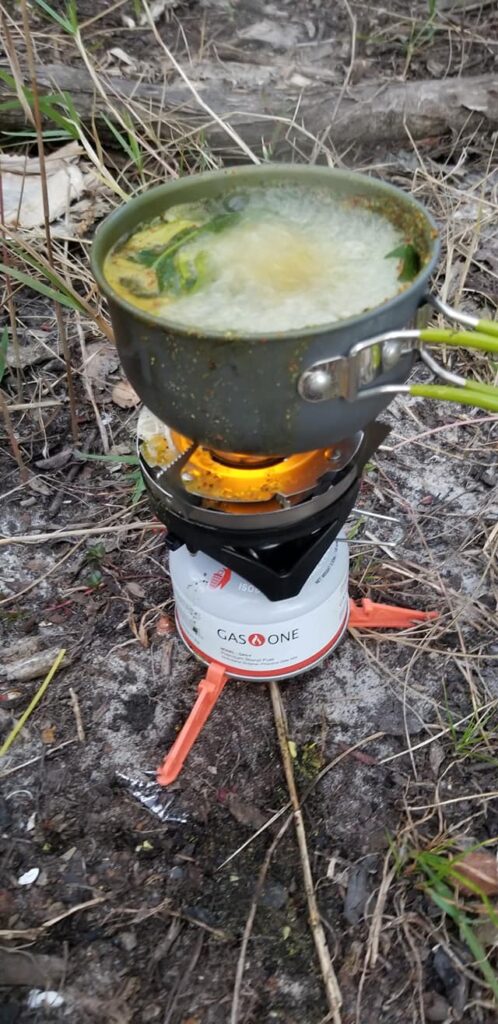
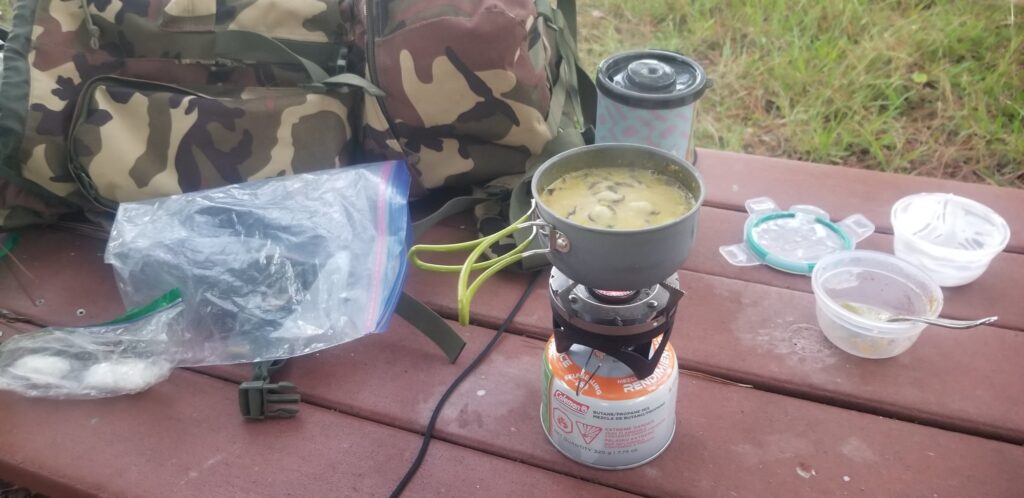
- Combine your cleaned, chopped ingredients with stock, herbs, and vegetables in a heavy pot.
- Bring to a gentle simmer (around 190 °F / 88 °C) and cook 45–90 minutes, depending on density. Roots and meats should be fork‑tender before serving.
- Skim foam and adjust seasoning during cooking for a clean, balanced broth.
🌱 More Ways to Enjoy Your Foraged Harvest
- Brew herbal teas from dried leaves and flowers (steep 5–8 minutes just below boiling).
- Create seasoning blends from dried herbs and seeds.
- Ferment berries into country wines or shrubs.
- Make jams, jellies, and marmalades from wild fruit.
⚠️ Safety First
Always be 100% certain of your identification before consuming any foraged plant, mushroom, or animal. When in doubt — leave it out. Thorough cleaning, proper cooking, and sourcing from unpolluted areas are essential to safe wild food preparation.
For information on preserving wild fruits and berries, we recommend:
Preserving Fruits: Wild Berries and Fruits – Oregon State University Extension
Focuses on:
- Safe identification and harvesting of wild berries and fruits
- Toxic look‑alikes and how to avoid them
- Preservation methods (freezing, canning, jams/jellies)
- Special cautions for elderberries and other species
Recommended Gear & Guides for Cooking Wild Foraged Foods
As an Amazon Associate I earn from qualifying purchases. This supports my work at no extra cost to you.
🔥 Compact Wood‑Burning Cookstove
Perfect for grilling mushrooms, boiling water for teas, or simmering stews right at your campsite. Lightweight and collapsible—ideal for backpacking or day foraging trips.
🍳 Cast‑Iron Grill Plate
Distributes heat evenly over an open fire for searing fish, roasting vegetables, or toasting wild‑yeast bread. Naturally non‑stick when seasoned and built to last.
📚 The Forager’s Kitchen Handbook
Creative, practical recipes for turning wild edibles into meals, preserves, and drinks—great for beginners and seasoned foragers alike.
🍵 Enamel Camping Cookware Set
Lightweight yet sturdy pots and pans that work on campfires, stoves, and portable burners—perfect for soups, teas, and small‑batch preserves in the field.
🌿 Free Intro to Foraging Guide — Start Your Wild Food Journey
Want to build confidence identifying and using edible wild plants? Download my Free Intro to Foraging guide — it’s packed with beginner‑friendly tips, safety essentials, and inspiration to help you get started the right way.
Inside, you’ll discover:
- ✅ 5 easy‑to‑recognize wild edibles for beginners
- ✅ Simple safety checks before harvesting
- ✅ Tips for respectful, sustainable foraging
- ✅ My go‑to tools for field walks