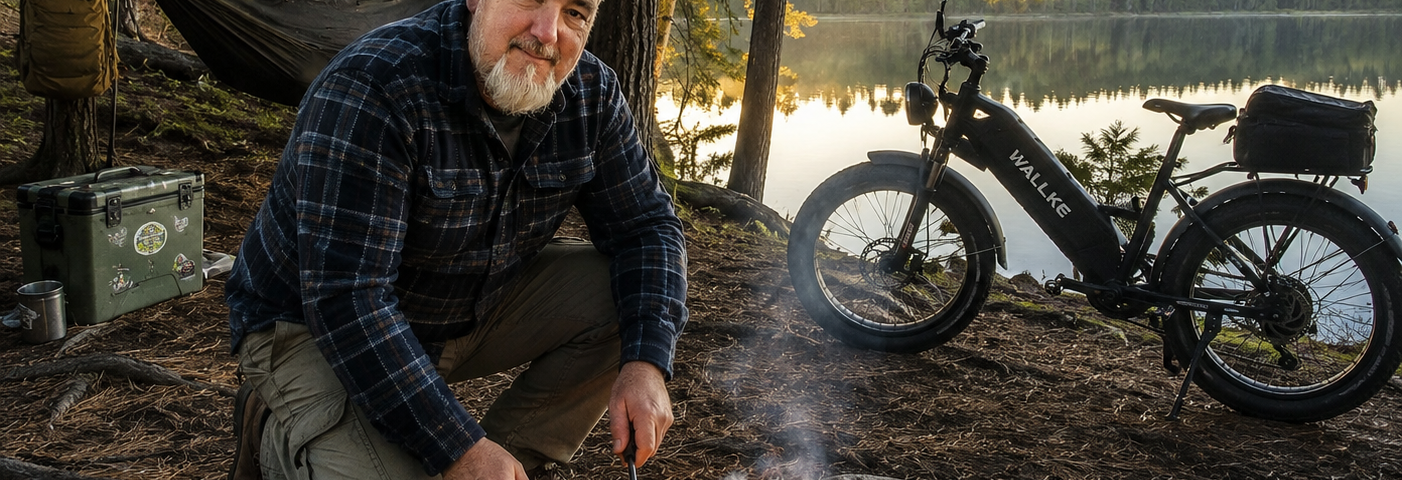
There are a few pieces of gear that always seem to find a permanent place in my pack.
A good knife is one. A water filter is another. And after years of camping, hiking, kayaking, and exploring the Pacific Northwest, I’ve learned that a reliable fire starter belongs on that list too.
For most of my outdoor life, I never saw a reason to buy commercial fire starters. A cotton ball, a little petroleum jelly, and a zip-top bag were all I needed. The system worked, it was inexpensive, and I always had a handful tucked away somewhere in my gear.
Then one day I started doing the math.
Many modern fire plugs cost around thirty-five cents per fire. At first glance, that might seem expensive compared to homemade alternatives. However, when you consider the time, materials, and mess involved in making your own, the convenience starts looking pretty attractive.
More importantly, these modern fire starters are waterproof, lightweight, compact, and designed specifically for outdoor use.
For hammock campers, kayak campers, hikers, e-bike adventurers, and anyone building an emergency kit, they offer a simple way to improve both convenience and preparedness.
Why Fire Starters Matter
Most outdoor trips don’t require a fire.
However, when temperatures drop, rain starts falling, or an unexpected situation develops, the ability to quickly start a fire becomes incredibly valuable.
A fire can provide:
- Warmth
- Cooking capability
- Water purification
- Emergency signaling
- Comfort during bad weather
- Survival capability in an emergency
As a result, carrying a dependable fire starter is less about luxury and more about preparedness.
Fire Starters and the Hunter-Gatherer Mindset
Some people hear “commercial fire starter” and immediately think it’s cheating.
I don’t see it that way.
Learning traditional skills is important. In fact, I enjoy gathering natural tinder and practicing primitive firecraft whenever conditions allow.
However, the goal isn’t to prove how tough we are.
The goal is to safely enjoy time outdoors.
If I’m cold, wet, tired, or dealing with changing weather, I want the most reliable tool available. That’s where modern fire starters shine.
Knowing how to start a fire with natural materials is a valuable skill. Carrying a backup is simply good judgment.
Best Fire Starters for Hammock Camping
If you’ve spent any time hammock camping in the Pacific Northwest, you’ve probably experienced damp conditions.
Even when the forecast looks promising, moisture has a way of finding its way into everything.
Because of that, waterproof fire starters can be worth their weight in gold.
A small fire can help dry damp kindling, warm cold hands, cook a meal, or simply boost morale after a long day on the trail.
If you’re new to sleeping outdoors, be sure to check out our Beginner’s Guide to Hammock Camping on TheHGSociety.com.
Best Fire Starters for Kayak Camping
Kayak camping presents a unique challenge.
Everything eventually gets wet.
Fortunately, modern fire plugs are designed specifically for those conditions. A few tucked inside a dry bag take up almost no space and provide valuable insurance if weather conditions change unexpectedly.
Best Fire Starters for E-Bike Camping
One thing I love about e-bike camping is the freedom to explore farther than I could comfortably hike in a day.
However, storage space remains limited.
Because modern fire starters are lightweight and compact, they’re easy to carry in a pannier, frame bag, or emergency kit without sacrificing valuable space.
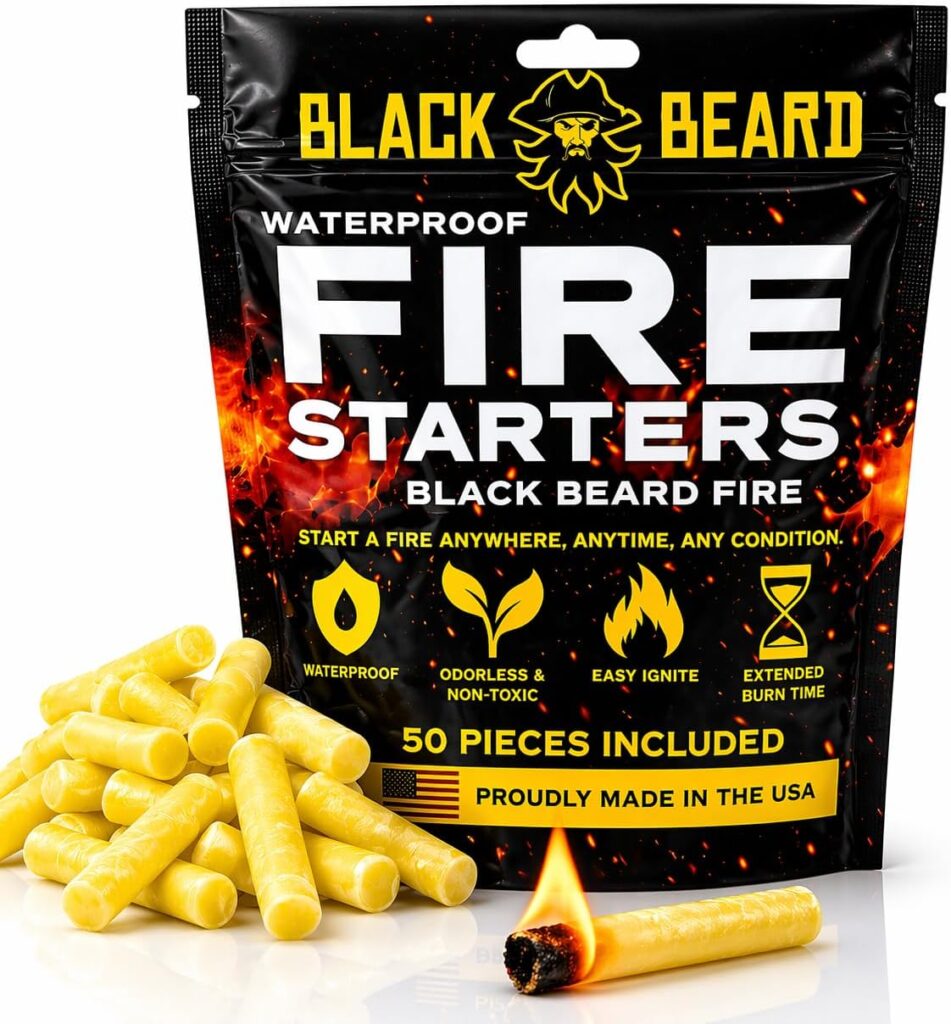
Black Beard Fire Plugs
These are the product that inspired this article.
After years of carrying homemade petroleum jelly cotton balls, I started looking for a cleaner alternative. Black Beard Fire Plugs immediately caught my attention because they solve the biggest problem with DIY fire starters: the mess.
What I like:
- Waterproof
- Lightweight
- Long shelf life
- Easy to ignite
- Works with matches, lighters, and ferro rods
- Compact enough to carry several in any pack
For hammock camping, hiking, and emergency kits, these are probably the best combination of convenience and reliability I’ve found.
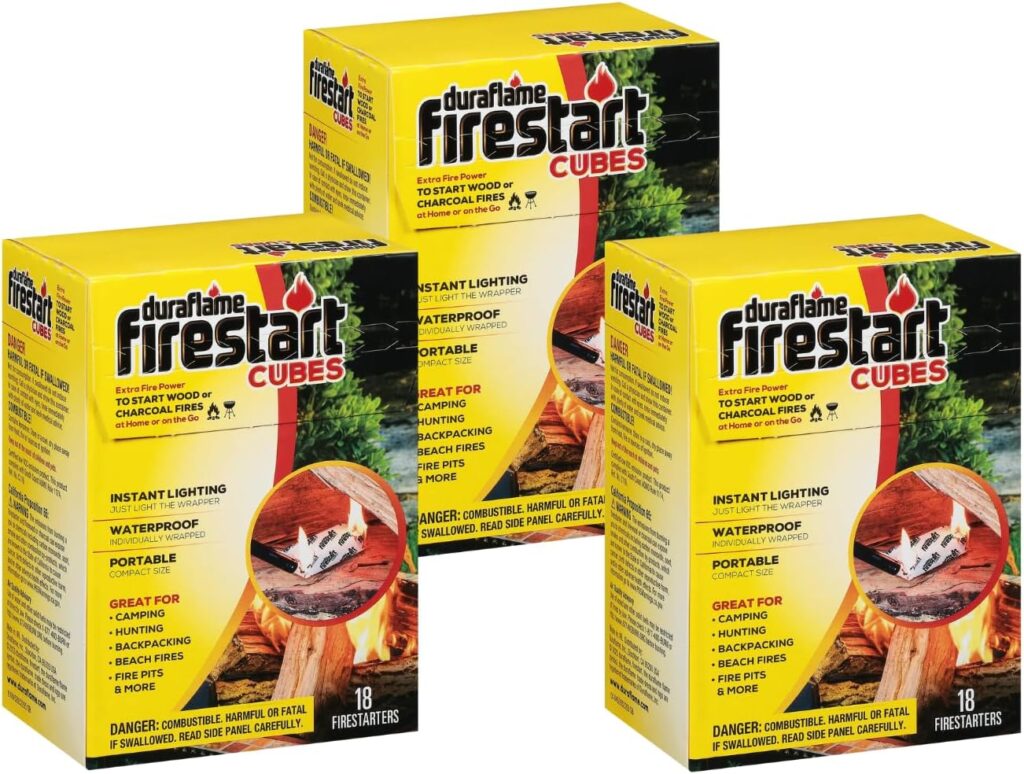
Duraflame Firestart Cubes
If value is your primary concern, Duraflame Firestart Cubes deserve a look.
They’ve been around for years and have developed a strong reputation among campers and backyard fire enthusiasts.
What I like:
- Affordable
- Easy to use
- Reliable ignition
- Good burn time
- Widely available
They’re a little bulkier than fire plugs, so I prefer them for vehicle camping or larger camp setups. Even so, they’re an excellent value.
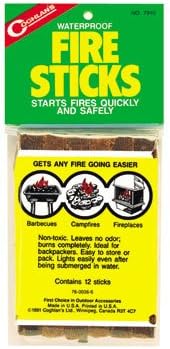
Coghlan’s Waterproof Fire Sticks
Coghlan’s has been making camping gear for decades.
Because of that, many outdoorsmen trust their products without hesitation.
These waterproof fire sticks are simple, effective, and designed specifically for emergency use.
What I like:
- Waterproof
- Lightweight
- Reliable
- Long storage life
- Great for survival kits
If you’re building a vehicle emergency kit, bug-out bag, or backcountry safety kit, these are worth considering.
DIY Fire Starters That Still Work
Commercial fire starters are convenient.
However, homemade options still have plenty of advantages.
Petroleum Jelly Cotton Balls
This remains my personal favorite DIY option.
Materials:
- Cotton balls
- Petroleum jelly
- Zip-top bag
Simply coat the cotton balls with petroleum jelly and store them until needed.
Pros:
- Extremely inexpensive
- Easy to make
- Excellent burn time
- Works with ferro rods
Cons:
- Messy
- Can soften in hot weather
Wax-Dipped Cotton Pads
Cotton cosmetic pads dipped in melted wax create a cleaner alternative to petroleum jelly.
They store well and resist moisture effectively.
Dryer Lint and Wax
A classic budget option.
Mix dryer lint with melted wax and pour the mixture into egg cartons or small molds.
Although performance can vary, the cost is hard to beat.
Fatwood
Many experienced bushcrafters still consider fatwood one of the best natural fire starters available.
Because it contains high concentrations of natural resin, it ignites easily and burns hot.
The downside is that it’s heavier and bulkier than modern fire plugs.
Final Thoughts
After years of making my own fire starters, I still keep petroleum jelly cotton balls around.
They work.
They’re inexpensive.
And they’re easy to make.
Even so, modern fire plugs have earned a place in my gear.
They weigh almost nothing, take up very little space, and remove the mess associated with homemade alternatives.
Whether you’re hammock camping, kayak camping, hiking remote trails, exploring on an e-bike, or building an emergency kit, carrying a few waterproof fire starters is one of those simple decisions you’ll probably never regret.
Hopefully you’ll never truly need them.
However, if that day comes, you’ll be glad they’re there.
Get Outside. Do Something Wild.


