The Hunter Gatherer Society
Freshly harvested dandelions with roots, leaves, and flowers arranged beside jars and baskets for long-term storage on a rustic wooden table in soft natural light.

Discovering the Dandelion: A Wild Plant with Deep Roots in Food, Medicine, and Culture

When most people see dandelions, they think of pesky weeds that take over lawns in spring. But I’ve learned to see them differently — as one of nature’s most generous and overlooked gifts. Every part of this bright little plant, from root to flower, has a purpose. It’s food, medicine, and even a natural source of rubber. Let’s dig into its story and explore how we can reconnect with this remarkable plant in the wild and in our kitchens. A Brief History of the Dandelion Dandelions (Taraxacum officinale) have followed humans for centuries. Originally native to Europe and Asia, they’ve spread almost everywhere people live. The name comes from the French dent de lion, meaning “lion’s tooth,” a nod to[…]

Read more
Bright red clusters of staghorn sumac berries glowing in autumn sunlight, a wild edible plant commonly foraged for making tangy wild lemonade and spice.

Foraging Sumac: The Tangy Wild Lemonade Tree

If you love discovering new flavors when you forage wild edible plants, sumac is one you will never forget. Those bright red, cone-shaped clusters that stand out in late summer and fall are not just beautiful. They are tangy, citrusy, and bursting with vitamin C. While most people know sumac as a spice in Middle Eastern cooking, few realize that our native species grow wild across North America. Learning how to identify and harvest it safely opens the door to refreshing drinks, zesty seasonings, and a deeper appreciation for the wild foods around us. Learn more about other fall plants in my full guide Forage Wild Edible Plants This Fall: A Beginner’s Guide A Look Back: The History and Traditional[…]

Read more
Bright red rosehips growing on wild rose bushes in autumn sunlight, surrounded by soft green and yellow leaves, a vibrant example of wild edible plants to forage for tea, jam, and syrup.

Foraging Rosehips: Nature’s Vitamin C Powerhouse

When you forage wild edible plants in the fall, few are as rewarding as rosehips. These bright red fruits of the wild rose are easy to find, easy to identify, and packed with flavor and nutrition. Rosehips have been prized for centuries as a source of vitamin C and are still loved today for teas, jams, and herbal remedies. Rosehips appear after wild roses drop their petals, transforming simple blossoms into clusters of glowing red fruit that stand out against fading fall colors. Whether you’re new to foraging or just exploring new plants to add to your list, rosehips are a perfect place to start. Learn more about other fall plants in my full guide — Forage Wild Edible Plants[…]

Read more
scenic forest background. Centered text A modern Hunter Gatherer then below that it reads Explore, Forage, Reconnect

A Modern Hunter Gatherer: Living Between the Wild and the Everyday

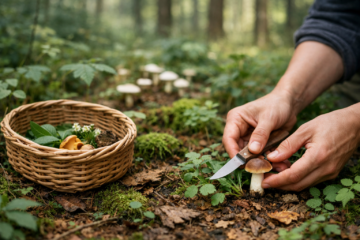
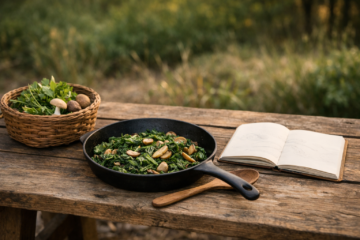
Most people live in two worlds without realizing it. One world is built around grocery aisles, refrigerators, and packaged convenience. The other is quiet and timeless. It exists in the forest, along the shoreline, and in open fields where food still grows wild and free. I live somewhere in between. I am a modern hunter gatherer. For me, foraging is not about living completely off the land or rejecting modern life. It is about balance. I harvest wild mushrooms, edible plants, seafood, and game responsibly, then bring them home to prepare alongside everyday foods from the store. Some meals are fully wild, while others mix wild greens, mushrooms, and simple store ingredients. Together, they tell a story of connection. Before[…]

Read more
A few foraging guide recomendations

Essential Resources for Foraging Edible Plants and Mushrooms

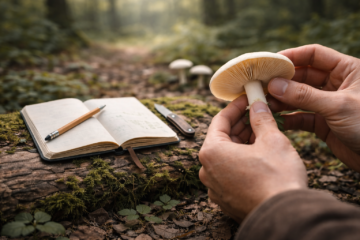
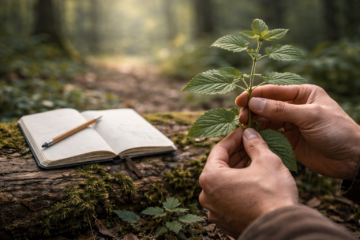
When I first ventured into foraging for edible plants and mushrooms, the vast variety available was overwhelming. It’s easy to get lost in the sea of possibilities, but the best way to start is by selecting a few species you feel comfortable identifying. Focus on those, and as you explore, be sure to photograph other plants and fungi you discover along the way. Later, you can use online resources and field guides to identify them. Just as you select specific foraging targets, start with one or two solid field guides for identification. As you gain experience, you’ll naturally expand your library of resources. My Go-To Field Guides for Foraging I often receive questions about which books and field guides I[…]

Read more
Social Share Buttons and Icons powered by Ultimatelysocial