The Hunter Gatherer Society
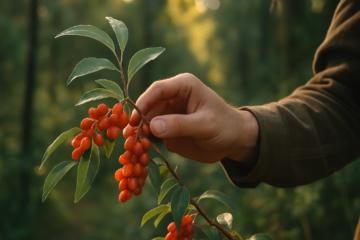
Vibrant huckleberries on the bush ready for foraging in the Pacific Northwest

Foraging for Huckleberries: A Delicious Autumn Adventure

Autumn in the Pacific Northwest signals the perfect time for huckleberry foraging. Huckleberries are small, round berries that range in color from deep blue to dark purple and are packed with flavor. Growing in the wild, these berries can often be found in moist, wooded areas and alongside hiking trails. When foraging for huckleberries, a few key tips can enhance the experience. First, familiarize yourself with the different types of huckleberries, such as blue huckleberries (Vaccinium deliciosum) and red huckleberries (Vaccinium parvifolium), as they vary in taste and habitat. Typically, I look for bushes at higher elevations in areas with plenty of sunlight. Uses and Preparation Methods When it comes to cooking with wild huckleberries, there’s nothing quite like the[…]

Read more

Wild Fermented Cider Recipe

Wild Fermented Raspberry or Blackberry Cider Recipe (Half-Gallon) This simple recipe shows you how to make wild fermented raspberry or blackberry cider at home—no special brewing equipment needed! Ingredients: Instructions: Notes: We also recommend exploring the history of making wild berry cider as it is a fascinating story. Enjoy your homemade wild-fermented raspberry or blackberry cider!

Read more
making wild berry cider

The Forgotten History of Cider: Fermenting Wild Berries and Fruits

When we think of cider, apple-based drinks usually come to mind—especially during fall festivals and at craft breweries. However, the history of cider goes far beyond apples. Long before apples dominated cider-making, people brewed ciders using wild berries and other foraged fruits. These wild berry ciders were a way to preserve nature’s bounty and celebrate local, seasonal ingredients. Ancient Origins: Fermentation and Wild Berries Fermentation is an ancient practice, dating back more than 9,000 years. Early humans discovered that fruit, when left to sit, would ferment naturally, turning sugars into alcohol with the help of wild yeasts. Long before apples were cultivated, people used berries and fruits like wild plums, cherries, hawthorn berries, elderberries, and even wild pears to make[…]

Read more

Autumn Foraging: A Guide to September Abundance

The nights are growing cooler by the day and the leaves are beginning to fall. This is one of my favorite times of year for foraging. September offers an abundance of wild edibles ripe for foraging. Whether you’re a seasoned forager or just beginning to explore nature’s pantry, Autumn foraging is perfect for gathering some of the most flavorful and nutrient-rich treasures. From fruits to fungi, here are the top five things to look for while Autumn foraging. 1. Wild Apples (Malus spp.) September is apple season, and while cultivated varieties fill the markets, wild apples are often overlooked gems. These smaller, tart apples can be found growing in old orchards, abandoned farms, or even along rural roads. While they[…]

Read more

Broadleaf Plantain: The Forager’s Guide

Broadleaf Plantain (Plantago major) is a common weed that grows in most parts of the world, including North America, Europe, Asia, and Africa. Despite its reputation as a weed, broadleaf plantain is an edible and medicinal plant with a long history of use. The plant has large, oval leaves that can be eaten raw or cooked and has a mild, slightly bitter flavor. Broadleaf plantain has been used in traditional medicine for centuries and has been shown to have anti-inflammatory, antimicrobial, and antioxidant properties.

Read more
Social Share Buttons and Icons powered by Ultimatelysocial