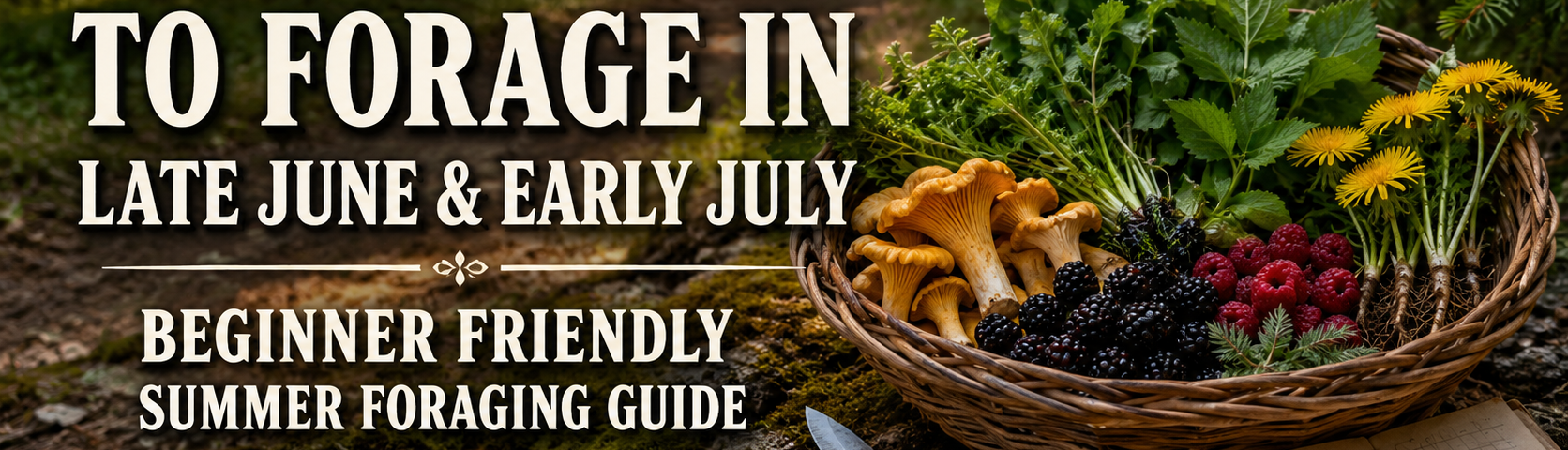
Beginner-Friendly Wild Edibles You Can Learn This Summer
Late June and early July are some of the best times of year to begin learning about wild foods to forage in late June and early July. Trails are alive with edible plants, berry patches begin producing heavily, summer greens are thriving, and beginner-friendly mushrooms start appearing across much of North America.
Most importantly, many of these wild foods are common, easy to identify, and incredibly rewarding to harvest.
You do not need deep wilderness or advanced survival knowledge to start learning.
Many of the best edible wild plants grow:
- Along hiking trails
- Around old fields
- Near rivers and creeks
- On logging roads
- In disturbed soil
- Even in suburban neighborhoods
This guide covers ten of the best wild foods to forage in late June and early July for beginner foragers, including:
- How to identify them
- Where to find them
- Culinary uses
- Traditional uses
- Modern research and nutrition
- Beginner harvesting tips
If you are new to foraging, this is one of the best seasons to start building confidence outdoors.
If you are brand new to foraging, start with this guide:
Beginner Foraging Guide
You should also review:
How to Start Foraging Safely
And always follow ethical harvesting practices:
Responsible Foraging Guide
Why Wild Foods to Forage in Late June and Early July Are Perfect for Beginners
Early summer creates a perfect overlap between spring greens and summer abundance.
During this period, beginner foragers can often find:
- Wild berries
- Nutrient-dense greens
- Culinary mushrooms
- Medicinal plants
- Edible flowers
- Aromatic herbs
Plants are also easier to identify this time of year because they are mature, vibrant, and actively growing.
That means less guessing and more confidence.
Many of these wild foods to forage in late June and early July are beginner friendly and widely available across North America.
Wild Blackberries: One of the Best Wild Foods to Forage in Late June and Early July
Blackberry
What Are Wild Blackberries?
Wild blackberries are one of the easiest and most rewarding wild foods for beginner foragers. They grow on thorny brambles and produce sweet dark berries throughout summer.
In many regions, late June and early July mark the beginning of peak blackberry season.
Where to Find Wild Blackberries
Look for blackberry patches in:
- Trail edges
- Fence lines
- Old fields
- Forest margins
- Logging roads
- Sunny disturbed ground
Blackberries love sunlight and often spread aggressively.
How to Identify Wild Blackberries
Key identification features:
- Thorny arching canes
- Compound serrated leaves
- Berries ripening from green to red to black
- Dense sprawling patches
Ripe berries should pull free easily without force.
Culinary Uses for Wild Blackberries
Wild blackberries are excellent for:
- Fresh eating
- Jam
- Syrup
- Pie filling
- Fruit leather
- Wine
- Smoothies
- Dehydrating
They also work extremely well in homemade kombucha and wild fermented beverages.
Historical and Medicinal Uses
Historically, blackberry leaves and roots were used in herbal teas and decoctions.
Modern nutritional research shows blackberries contain:
- Vitamin C
- Fiber
- Anthocyanins
- Antioxidants
These compounds are being studied for cardiovascular and anti-inflammatory benefits.
Learn more about blackberry species and distribution:
USDA Blackberry Plant Information
Wild Raspberries to Forage in Early Summer
Raspberry
What Are Wild Raspberries?
Wild raspberries are softer and more delicate than blackberries with a bright sweet flavor.
They are one of the easiest berries for beginner foragers to learn.
Where to Find Wild Raspberries
Look in:
- Burn areas
- Sunny clearings
- Logging roads
- Forest openings
- Trail systems
- Old homesteads
How to Identify Wild Raspberries
Key identification traits:
- Red berries with hollow centers when picked
- Serrated leaves
- Thin thorny canes
- Soft delicate fruit
Culinary Uses for Wild Raspberries
Wild raspberries are excellent for:
- Fresh eating
- Desserts
- Syrups
- Baking
- Mead and cider
- Preserves
Historical and Medicinal Uses
Raspberry leaf tea has a long history in traditional herbal practices.
Modern analysis shows raspberry leaves contain:
- Tannins
- Flavonoids
- Minerals
Wild raspberries themselves are rich in antioxidants and vitamin C.
Learning wild foods to forage in late June and early July becomes easier once you begin revisiting the same berry patches repeatedly throughout the season.
Stinging Nettles: Nutrient-Dense Wild Foods to Forage
Stinging Nettle
What Is Stinging Nettle?
Stinging nettle is one of the most nutrient-dense wild greens available to foragers.
The plant contains tiny stinging hairs that irritate the skin when touched fresh.
Once cooked or dried, the sting disappears completely.
Where to Find Stinging Nettles
Nettles commonly grow in:
- Damp soil
- Creek edges
- Forest openings
- Rich disturbed ground
- Moist trail systems
How to Identify Stinging Nettles
Look for:
- Opposite leaves
- Serrated edges
- Upright stems
- Fine stinging hairs
Wear gloves while harvesting.
Culinary Uses for Stinging Nettles
Nettles are excellent:
- Sauteed like spinach
- In soups
- In pesto
- In pasta dishes
- Dried for tea
- Dehydrated into powder
Many foragers consider nettles one of the best tasting wild greens available.
Historical and Medicinal Uses
Historically, nettles were used for:
- Nutritional support
- Joint discomfort
- Seasonal wellness
- Fiber and cordage
Modern studies suggest potential anti-inflammatory properties.
Nettles also contain:
- Iron
- Magnesium
- Calcium
- Chlorophyll
Read more about edible wild greens:
Missouri Botanical Garden Plant Finder
Purslane: An Easy Wild Food to Forage in Summer
Purslane
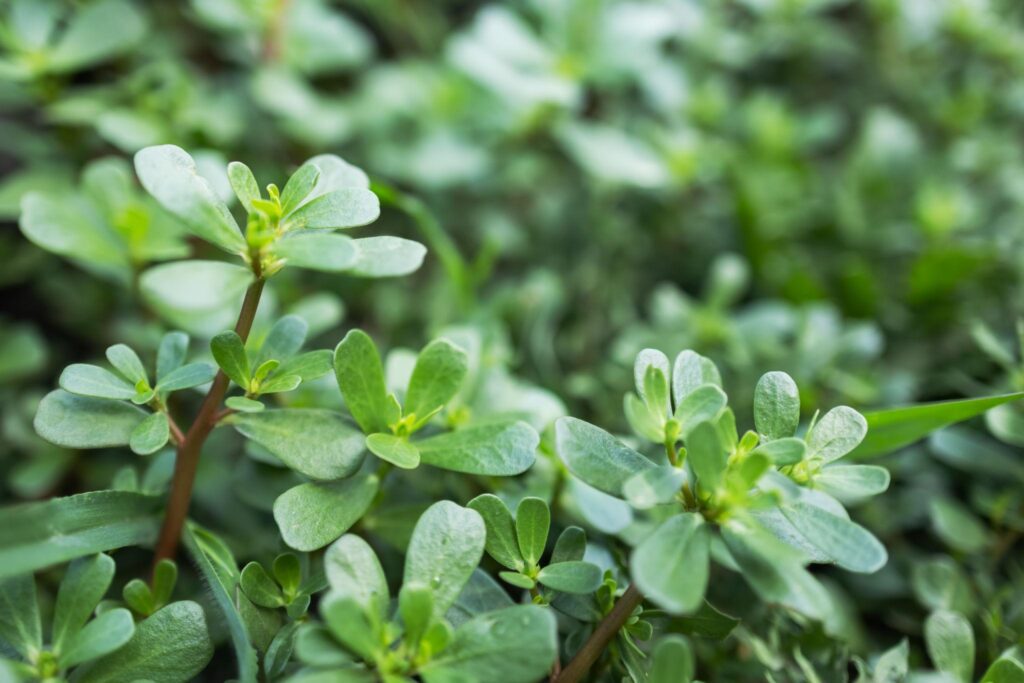
What Is Purslane?
Purslane is a succulent edible plant commonly mistaken for a weed.
It thrives during hot weather and often appears in areas people overlook.
Where to Find Purslane
Look for purslane in:
- Gardens
- Gravel driveways
- Cracks in pavement
- Farm edges
- Dry compacted soil
How to Identify Purslane
Key traits:
- Thick reddish stems
- Smooth succulent leaves
- Sprawling growth habit
- Tiny yellow flowers
Important caution:
Do not confuse purslane with spurge, which produces white milky sap.
Culinary Uses for Purslane
Purslane has a fresh lemony flavor and crunchy texture.
Excellent uses include:
- Salads
- Stir fry
- Soups
- Sandwiches
- Pickling
Historical and Medicinal Uses
Traditionally, purslane was valued for hydration and cooling.
Modern nutritional studies show purslane contains:
- Omega-3 fatty acids
- Vitamin C
- Potassium
- Vitamin A
Plantain Weed and Other Beginner Wild Foods
Plantain
What Is Plantain?
Plantain is one of the most widespread edible and medicinal wild plants in the world.
This is not the tropical fruit.
This is the common lawn plant found almost everywhere people walk.
Where to Find Plantain
Look around:
- Trails
- Lawns
- Parks
- Compact soil
- Sidewalk edges
How to Identify Plantain
Look for:
- Basal leaf rosette
- Strong parallel veins
- Tall vertical seed stalks
Culinary Uses for Plantain
Young leaves work best for:
- Salads
- Soup additions
- Cooked greens
- Herbal tea
Historical and Medicinal Uses
Plantain has long been used traditionally for:
- Minor cuts
- Bug bites
- Skin irritation
Crushed fresh leaves were often applied directly.
Modern research has explored plantain for:
- Anti-inflammatory compounds
- Antioxidant activity
- Wound-support potential
Dandelion Foraging and Pickled Dandelion Roots
Dandelion
What Is Dandelion?
Dandelions are one of the most accessible edible plants for beginner foragers.
Every part of the plant is usable.
Where to Find Dandelions
Dandelions grow nearly everywhere:
- Lawns
- Fields
- Gardens
- Parks
- Disturbed soil
How to Identify Dandelions
Look for:
- Bright yellow flowers
- Deeply toothed leaves
- Hollow stems
- Puffball seed heads
Culinary Uses for Dandelions
Popular uses include:
- Salads
- Fried blossoms
- Herbal tea
- Dandelion wine
- Roasted root coffee substitute
One of my personal favorite ways to use dandelions is pickling the roots.
Most people think about roasting dandelion roots for tea or coffee substitutes, but younger roots also make an excellent crunchy, earthy, slightly bitter snack when pickled.
The flavor reminds me somewhere between pickled burdock root and a wild carrot with a tangy earthy edge.
Simple Pickled Dandelion Root Recipe
Ingredients
- 2 cups cleaned young dandelion roots
- 1 cup water
- 1 cup apple cider vinegar
- 1 tablespoon salt
- 1 tablespoon honey or sugar
- 2 garlic cloves
- 1 teaspoon black peppercorns
- Optional dill, mustard seed, rosemary, or red pepper flakes
How to Make Pickled Dandelion Roots
- Wash and scrub the roots thoroughly.
- Blanch them in boiling water for 2 to 3 minutes.
- Simmer the water, vinegar, salt, and honey together.
- Add roots and seasonings to a clean jar.
- Pour hot brine over the roots until fully covered.
- Refrigerate after cooling.
The flavor improves after 24 to 48 hours.
They work surprisingly well beside smoked fish, grilled meat, sandwiches, charcuterie boards, or camp meals.
Historical and Medicinal Uses
Historically, dandelions were used for digestive and liver support.
Modern studies show dandelions contain:
- Potassium
- Antioxidants
- Bitter compounds
Researchers continue studying potential digestive and metabolic benefits.
Learn more about dandelions:
USDA Dandelion Information
Chanterelle Mushrooms in Late June and Early July
Chanterelle
What Are Chanterelle Mushrooms?
Chanterelles are one of the most prized edible wild mushrooms in North America.
They are especially popular with beginner mushroom hunters because of their distinct appearance.
Where to Find Chanterelles
Look in:
- Mossy forests
- Mixed woodland
- Near hardwoods
- Moist forest floors
Rainfall often triggers fruiting.
How to Identify Chanterelles
Key traits:
- False gill ridges
- Fruity apricot-like smell
- Thick flesh
- Golden coloration
Never consume wild mushrooms without absolute identification certainty.
Culinary Uses for Chanterelles
Chanterelles are excellent:
- Sauteed in butter
- With eggs
- In pasta
- In cream sauces
- In soups
Historical and Medicinal Uses
Historically valued primarily as food, chanterelles also contain:
- B vitamins
- Fiber
- Antioxidants including ergothioneine
Review mushroom safety information here:
North American Mycological Association Mushroom Safety Resources
Wood Sorrel and Other Woodland Wild Foods
Wood Sorrel
What Is Wood Sorrel?
Wood sorrel is a refreshing edible woodland plant with a lemony flavor.
Where to Find Wood Sorrel
Look in:
- Forest floors
- Damp shaded areas
- Garden beds
- Woodland trails
How to Identify Wood Sorrel
Look for:
- Clover-like growth
- Heart-shaped leaves
- Sour citrus taste
Culinary Uses for Wood Sorrel
Excellent for:
- Salads
- Garnishes
- Soups
- Trail snacking
Historical and Medicinal Uses
Traditionally used as a refreshing herb.
Wood sorrel contains vitamin C but also oxalic acid, so moderation is important.
Lamb’s Quarters: Wild Spinach for Beginner Foragers
Lamb’s Quarters
What Are Lamb’s Quarters?
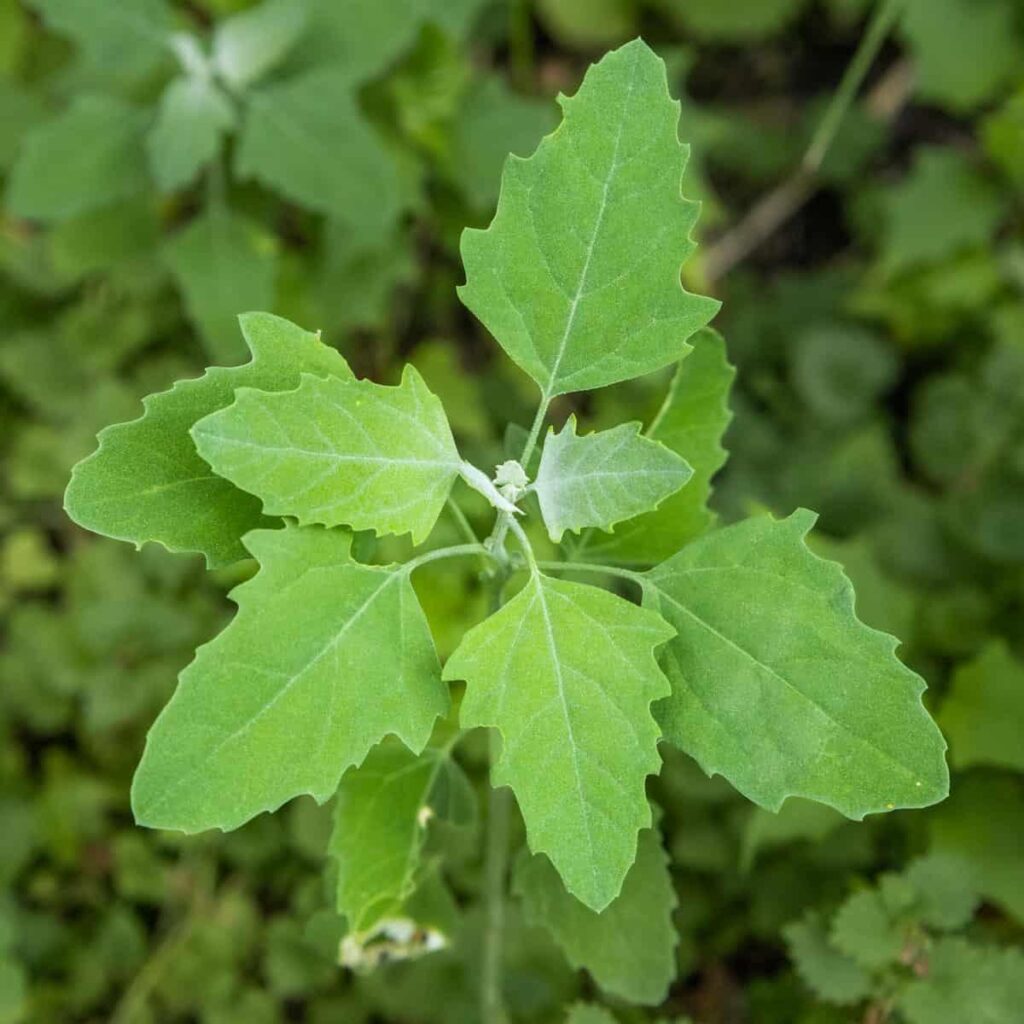
Lamb’s quarters are often called wild spinach because of their flavor and versatility.
Where to Find Lamb’s Quarters
Look around:
- Gardens
- Farms
- Compost piles
- Disturbed soil
- Field edges
How to Identify Lamb’s Quarters
Look for:
- Powdery coating on leaves
- Goosefoot-shaped leaves
- Upright branching stems
Culinary Uses for Lamb’s Quarters
Excellent:
- Sauteed
- In soups
- Mixed into eggs
- In pasta dishes
- In stir fry
Historical and Medicinal Uses
Historically valued primarily as a nutritious food source.
Modern analysis shows lamb’s quarters contain:
- Iron
- Calcium
- Vitamins A and C
Pine Tips and Young Conifer Growth for Summer Foraging
Pine
What Are Pine Tips?
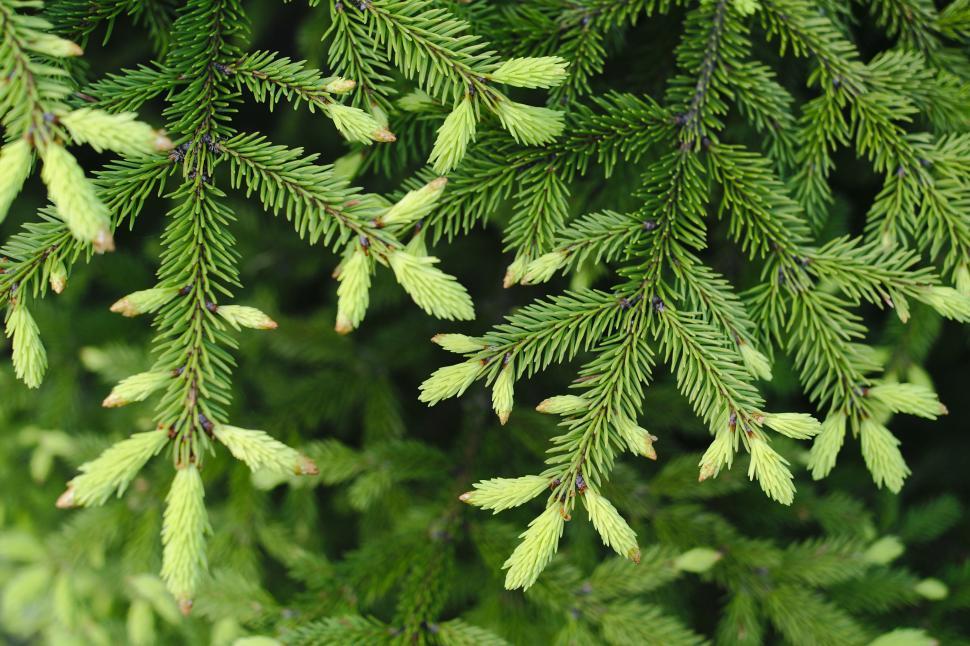
Young pine, spruce, and fir tips are edible seasonal growth with a bright citrus-like flavor.
Where to Find Pine Tips
Look on:
- Pine trees
- Spruce trees
- Fir trees
Always identify species carefully.
How to Identify Pine Tips
Look for:
- Soft bright green new growth
- Tender texture
- Fresh citrus aroma
Culinary Uses for Pine Tips
Popular uses include:
- Tea
- Syrup
- Infused honey
- Candying
- Flavoring salts
Historical and Medicinal Uses
Conifer teas were historically important sources of vitamin C.
Modern nutritional analysis confirms many conifer tips contain:
- Vitamin C
- Aromatic compounds
- Antioxidants
These seasonal wild foods to forage in late June and early July also pair well with simple camp cooking and food preservation.
Beginner Foraging Tips for Success
If you are new to foraging, avoid trying to learn dozens of species at once.
A better approach:
- Learn one berry well
- Learn one green thoroughly
- Learn one mushroom cautiously
- Revisit the same locations weekly
That repeated observation teaches:
- Seasonal timing
- Habitat patterns
- Weather impacts
- Plant maturity
- Safe harvesting practices
Over time, foraging becomes more than identifying plants.
You begin reading the landscape itself.
A good field journal can also dramatically improve your learning process:
The Hunter Gatherer Society Foraging Journal & Beginner Field Guide
As an Amazon Associate, I earn from qualifying purchases.
Frequently Asked Questions About Summer Foraging
What are the easiest wild foods to forage in late June and early July?
Blackberries, dandelions, nettles, purslane, and raspberries are some of the easiest beginner-friendly wild foods available during early summer.
Is summer a good time for beginner foraging?
Yes. Many edible plants and berries are mature and easier to identify during late June and early July.
What wild mushrooms grow in early summer?
Depending on region and rainfall, chanterelles are one of the most popular beginner-friendly mushrooms during this period.
What should beginner foragers avoid?
Avoid harvesting near roadsides, chemically treated areas, industrial zones, or any plant or mushroom you cannot positively identify.
Final Thoughts on Summer Foraging
Late June and early July are some of the most rewarding weeks of the year to begin learning wild foods to forage in late June and early July. The abundance is real, the learning curve is manageable, and the connection to the outdoors grows quickly once you begin noticing edible plants and mushrooms all around you.
Start simple.
Learn slowly.
Visit the same places often.
That is how lifelong foragers are built.
Additional Resources
Wild Food Safety Reminder
Never consume any wild plant or mushroom unless you are completely certain of identification.
Avoid harvesting from:
- Roadsides with heavy traffic
- Industrial areas
- Chemically treated lawns
- Contaminated waterways
When in doubt, leave it out.
Get outside and do something wild.


