There is something different about your first real harvest of the year.
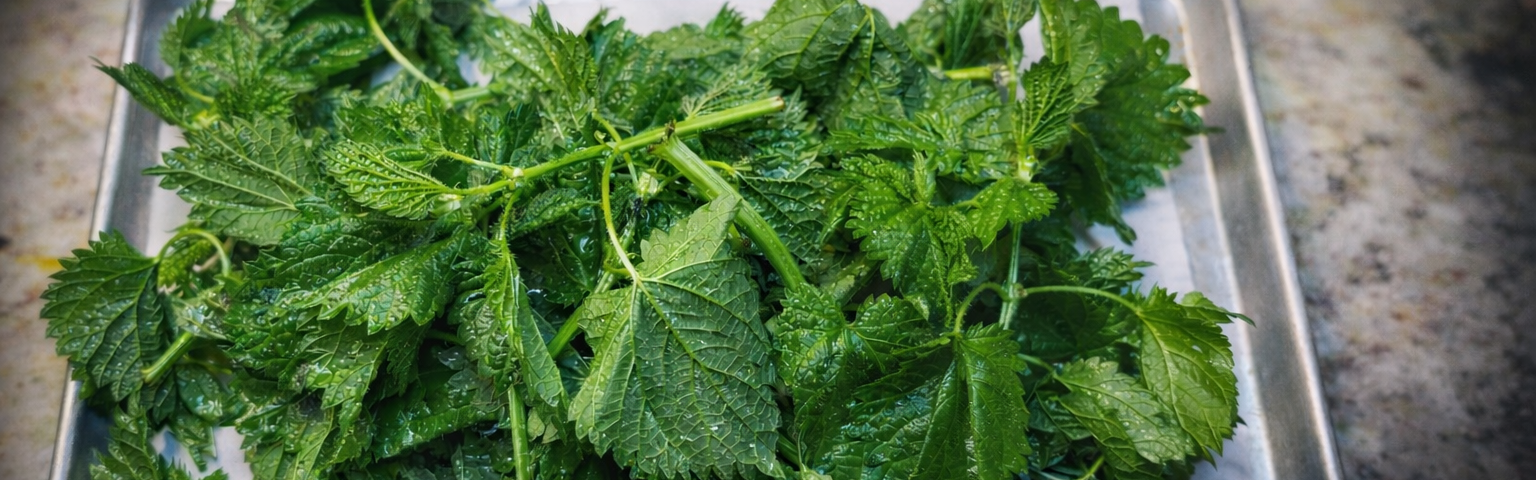
Today was mine with Stinging Nettle. I went out expecting to maybe find a few scattered plants. Instead, I came across a thriving patch tucked along a trail I have walked before. Bright green, full of life, and impossible to ignore. For a moment, I just stood there and took it in.
That moment reminded me why I started foraging in the first place.
After harvesting, cooking, and finally tasting them, one thing became clear.
Foraging stinging nettle is not just practical. It is one of the most rewarding wild foods you can experience.
What Is Stinging Nettle and Why It Matters
Foraging stinging nettle is one of the easiest ways to begin learning wild edible plants.
This plant grows across North America, Europe, and Asia and has been used for thousands of years as both food and medicine. At first, most people recognize it for the sting. Tiny hairs on the leaves and stems release a mild irritant when touched.
However, that sting is only temporary.
Once cooked or dried, stinging nettle becomes completely safe to eat. More importantly, it transforms into one of the most nutrient-dense greens available in the wild.
👉 If you are just getting started, read this first:
Beginner Foraging Plan (Week 1)
https://thehgsociety.com/beginner-foraging-plan/
Where to Find Stinging Nettle (And What I Learned the Hard Way)
What made this first harvest even more interesting is where I found them.
This was not a new location. It is a patch I have harvested from before, right along a trail I have walked multiple times. That familiarity made the experience different this time. I was not just exploring. I was returning with intention.
Most guides will tell you that stinging nettle prefers low, damp ground. You will often find it near streams, in shaded bottoms, or anywhere moisture tends to collect.
That is true.
However, this patch breaks that pattern.
These nettles are growing in a slightly higher and drier area than you would expect. At first, that might seem unusual. Then it starts to make sense when you consider the environment.
Here in the Pacific Northwest, we get consistent rainfall throughout much of the year. Because of that, even elevated ground can hold enough moisture to support healthy nettle growth. The soil stays rich, the air stays damp, and the plants thrive well beyond the typical lowland zones.
That realization changed how I look for nettles.
Instead of limiting my search to obvious wet areas, I now pay attention to the broader environment. If the region supports moisture overall, stinging nettle can show up in places you might otherwise overlook.
That opens up more opportunity.
And more importantly, it builds confidence.
Why Foraging Stinging Nettle Beats Store-Bought Greens
I have eaten a lot of greens over the years.
Spinach, kale, and every variation of store-bought mixes. Still, nothing compares to stinging nettle.
After bringing them home, I kept things simple. A quick sauté with oil and a little salt.
The difference was immediate.
The flavor was deeper, richer, and more satisfying than anything I have bought in a store. Instead of feeling like a healthy substitute, it felt like something I would choose every time.
Because of that, foraging stinging nettle quickly became more than just an experiment. It became something I look forward to.
Health Benefits of Foraging Stinging Nettle
Nettles are often described as a natural superfood, and for good reason.
They are rich in:
- Vitamins A, C, and K
- Iron and calcium
- Magnesium and potassium
- More protein than most leafy greens
In addition, stinging nettle has been traditionally used to support joint health, circulation, and seasonal wellness.
At the same time, the benefits go beyond nutrition.
Foraging stinging nettle gets you outside, moving, and paying attention to your surroundings. That combination supports both physical and mental well-being.
👉 For safe harvesting practices, read:
How to Start Foraging Safely (Week 2)
https://thehgsociety.com/how-to-start-foraging-safely/
How to Identify Stinging Nettle in the Wild
Before harvesting anything, proper identification is critical.
Fortunately, stinging nettle is relatively easy to recognize once you know what to look for.
Key features include:
- Pointed leaves with sharp serrated edges
- Leaves growing in opposite pairs along the stem
- Slightly square or ridged stems
- Fine stinging hairs covering the plant
- Dense patches in ideal growing conditions
Even though the sting is a strong indicator, do not rely on it alone. Always confirm multiple identifying characteristics before harvesting.
When to Harvest Stinging Nettle
Timing plays a major role in successful foraging.
The best time for foraging stinging nettle is early spring through early summer. During this period, the plants are tender and ideal for eating.
Focus on young top growth, which is softer and more flavorful than mature leaves.
How to Harvest Stinging Nettle Safely
Harvesting stinging nettle is simple, but it requires preparation.
You will need:
- Gloves
- Scissors or clippers
- A basket or bag
When harvesting:
- Take only the top few inches of the plant
- Focus on young, healthy growth
- Avoid older, tougher stems
Just as important, harvest responsibly.
Leave plenty behind so the patch can continue to grow. Sustainable harvesting ensures you can return to the same location year after year.
If you want to track productive patches like this one, a simple journal goes a long way.
How to Prepare and Cook Stinging Nettle
Once you bring your harvest home, preparation is straightforward.
Start by rinsing the leaves thoroughly.
Then remove the sting using one of these methods:
- Boil for one to two minutes
- Sauté directly in a hot pan
After cooking, the sting is completely gone.
From there, stinging nettle can be used just like spinach. It works well in soups, eggs, pasta dishes, or as a simple side with oil and salt.
A squeeze of lemon at the end adds a clean, bright finish.
How to Store Stinging Nettle for Later Use
If you harvest more than you can use right away, storage becomes important.
For short-term use:
- Store fresh nettles in the refrigerator for a few days
For long-term storage:
- Blanch and freeze them
- Dry them for tea or powder
Drying is especially effective if you want to preserve nutrients and use stinging nettle throughout the year.
Why Foraging Stinging Nettle Is Worth It
This experience goes beyond one plant.
Finding that patch again reminded me of something simple.
Real food is still out there.
It is not processed, packaged, or sitting under artificial lights. Instead, it is growing quietly all around us.
Foraging stinging nettle is one of the easiest ways to reconnect with that reality. It builds confidence, awareness, and a deeper understanding of the land.
You do not need to learn everything at once.
You just need to start.
Final Thoughts on Foraging Stinging Nettle
If you have been thinking about getting into foraging, start here.
Stinging nettle is easy to identify, widely available, incredibly nutritious, and genuinely enjoyable to eat.
More importantly, that first harvest changes how you see the outdoors.
It did for me.
In the meantime, get outside and do something wild.


