October isn’t just about pumpkins and cider. It’s also one of the best times of year to forage wild edible plants. Cool nights, autumn rains, and crisp mornings bring out a bounty of fruits, greens, and roots that thrive in the fall. Foraging in October is the perfect mix of discovery and nourishment — a chance to fill your basket with nutrient-rich foods while soaking in the colors and quiet of the season.
In this guide, I’ll share some of the best wild edible plants to forage in fall, the essential gear I always bring along, and a few lessons I’ve learned from years of exploring the autumn woods. Whether you’re a beginner or just looking to reconnect with the rhythm of the wild, October is the perfect time to get outside and start foraging.

Beginner Tips for Plant Foraging
When I first got into foraging I wanted to learn everything at once. The truth is that patience and focus help you grow much faster. These are the simple rules I follow every fall.
- Start simple
Learn one or two plants at a time. Master their look, smell, habitat, and season before you move on. Slow learning builds real confidence when you forage wild edible plants. - Use a journal
Write clear notes and take a few photos in the field. Record the habitat, location, weather, and time of year. Small details fade fast once you get home, and your journal keeps the memory sharp. - Cross check your finds
Verify each plant with at least two reliable sources such as a trusted field guide and a regional website. If anything feels off, skip it. Safety always comes first when you forage wild edible plants. - Harvest responsibly
Take only what you will use and leave plenty for wildlife and regrowth. Choose healthy stands, spread out your picking, and avoid damaged or polluted areas.
Ready for the next step? Grab your foraging journal, choose one plant to learn this week, and head outside.
My Essential Gear for Fall
Having the right tools makes foraging safer and more enjoyable. Here’s what I carry with me every fall:
- 🛍️ Paper Bags or Basket – Breathable storage that keeps plants fresh (I prefer paper bags to prevent wilting).
- 🔪 Mushroom Knife with Brush – Perfect for trimming stems and cleaning roots or greens.
- 🎒 Sturdy Backpack – Keeps your gear, snacks, and finds organized.
- 📘 Field Guide – A must-have to confirm identification.
- 🧤 Gloves – Helpful for thorny plants or digging roots.
Forage Wild Edible Plants in October
October is one of the best months to forage wild edible plants across much of the United States. The cool air, morning dew, and changing colors mark the peak of fall foraging. Many plants are at their most flavorful now, storing nutrients for the colder months ahead. Here are some of my favorite wild edibles to look for this time of year.
🌹 Rosehips
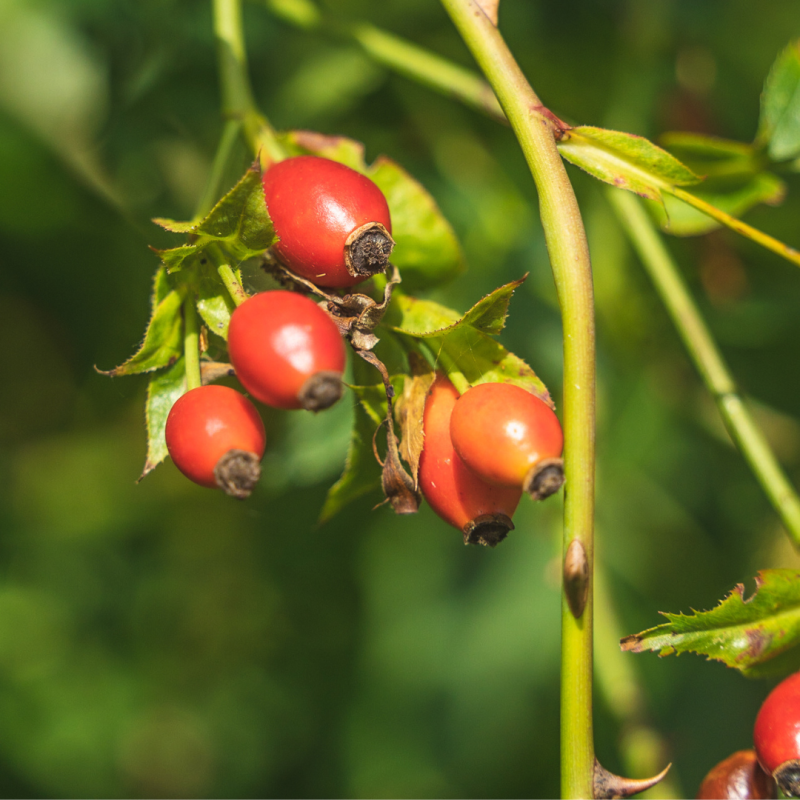
Identification: Bright red to orange fruits that appear on wild rose bushes after the petals fall. They’re oval or round and often have dried sepals on the tip.
Harvest: Pick rosehips after the first frost. The cold softens their flavor and boosts natural sweetness. Always remove the seeds and fine hairs inside before using.
Preparation: Rosehips make delicious teas, syrups, and jams, and they can be dried for winter use. They’re one of the best natural sources of vitamin C.
Storage: Fresh hips last about a week in the refrigerator. For long-term use, dry or freeze them.
🍷 Sumac (Staghorn or Smooth)
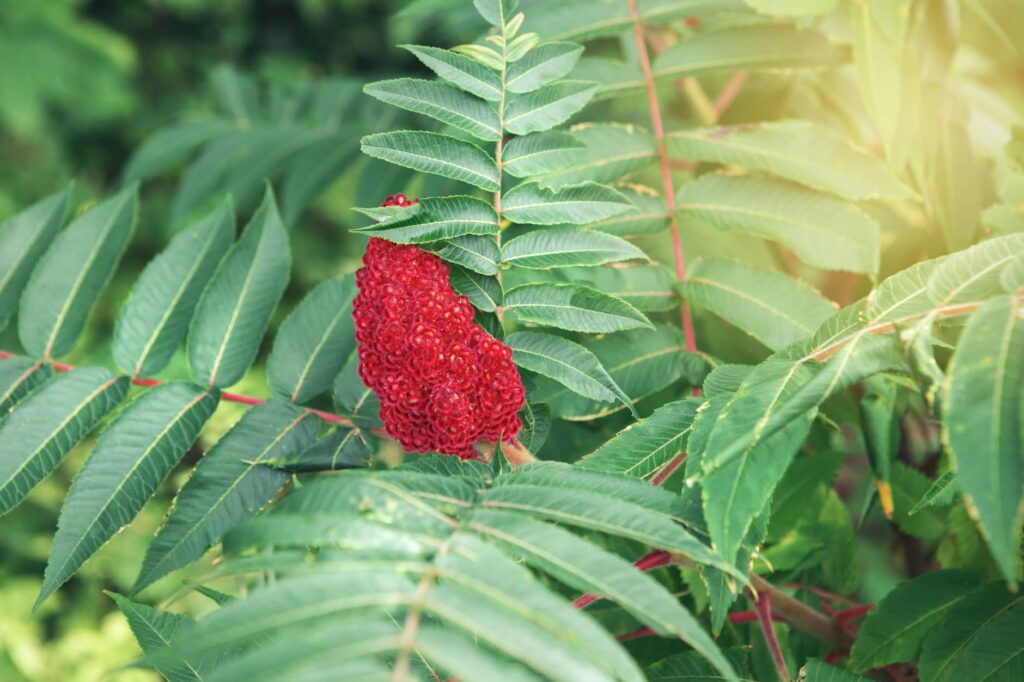
Identification: Look for red, cone-shaped clusters of berries on shrubs or small trees. The stems may be fuzzy (staghorn) or smooth. Avoid poison sumac, which has white berries.
Harvest: Gather ripe red clusters throughout October, before heavy rains wash away their tangy coating.
Preparation: Steep the clusters in cold water to make a refreshing “sumac lemonade,” or dry and grind them into a citrus-like spice.
Storage: Keep clusters dried and whole or ground into powder and store in airtight jars for year-round flavor.
🧅 Wild Onion (Allium species)
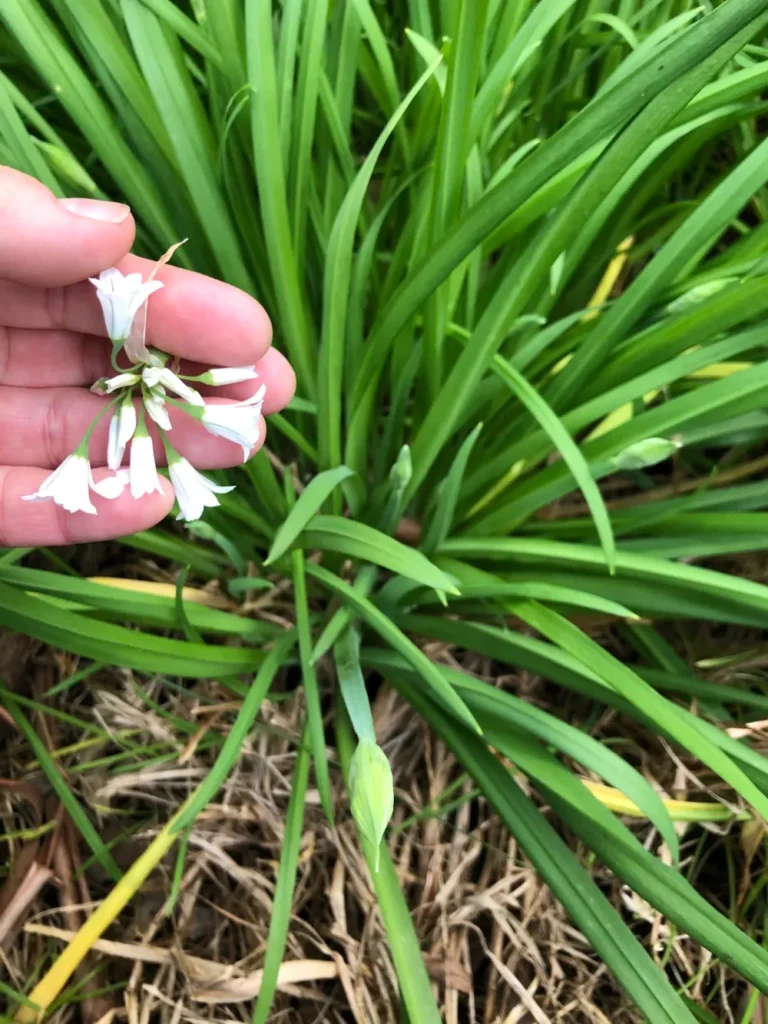
Identification: These plants have hollow, grass-like leaves and a strong onion or garlic scent. Their underground bulbs are small but packed with flavor.
Harvest: Carefully dig up bulbs or, for a sustainable approach, simply snip the green tops.
Preparation: Use bulbs as you would small onions. Chop the green tops into soups, scrambled eggs, or stir-fries for a mild, wild onion taste.
Storage: Bulbs keep well in a cool, dry place for several weeks. Greens can be chopped and frozen.
🌱 Curly Dock

Identification: Large, wavy-edged leaves that may turn reddish as they age. In fall, tall, rust-colored seed stalks often remain standing.
Harvest: Pick young leaves during cool fall weather, or collect seeds to grind into flour. Roots can also be dug up in autumn.
Preparation: Boil leaves briefly to reduce bitterness. Grind dried seeds into flour for rustic breads, or dry roots to use for tea.
Storage: Blanch and freeze leaves, dry and store seeds for grinding, and keep dried roots in airtight jars.
Learn How to Make Wild Curly Dock Flour – Recipe Below
🌿 Chickweed
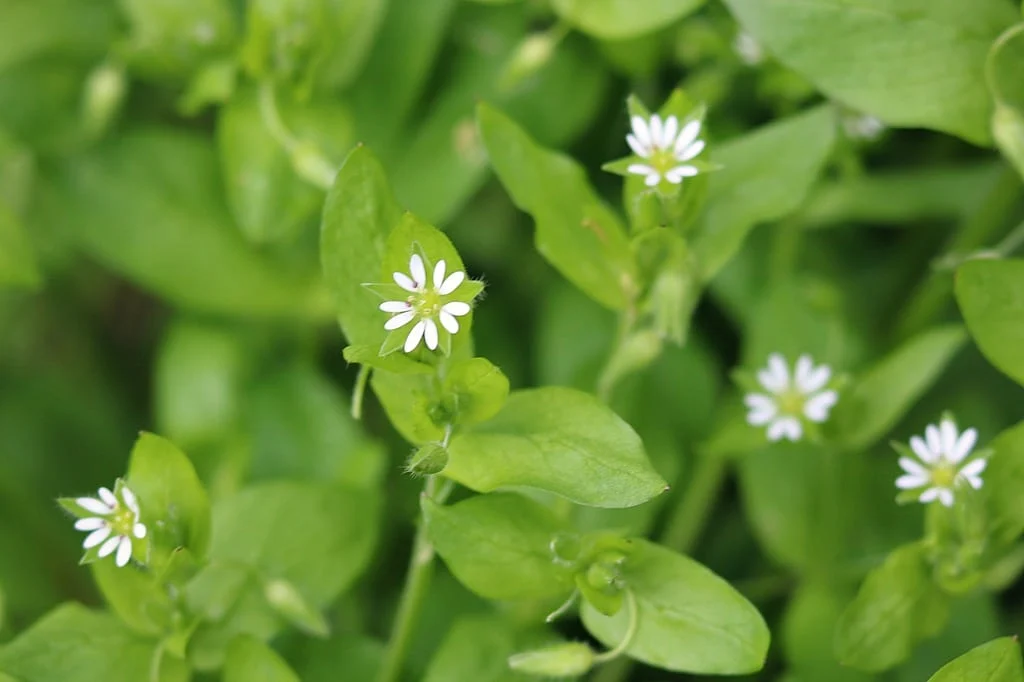
Identification: A low-growing plant with small, oval leaves and tiny white, star-shaped flowers. A single line of fine hairs runs down one side of the stem.
Harvest: Snip tender stems and leaves during cool, moist fall weather when growth is at its best.
Preparation: Chickweed has a mild, refreshing flavor that’s perfect raw in salads, sandwiches, or smoothies.
Storage: Best enjoyed fresh, but it will last one to two days in the refrigerator inside a paper bag.
Personal Tip
When I head out to forage wild edible plants, I always end up finding something I have never seen before. Instead of picking it, I like to leave it growing and take a few photos to study later. Once I am home, I pull out my field guides and see if I can figure out what it was. I write everything down in my foraging journal, including where I found it, what the area looked like, and what time of year it was. Those little notes make a big difference. It is amazing how fast the details fade once you are back indoors and away from the wild.
Free Resource: Download My Foraging 101 Guide
Foraging in the fall is exciting, but it can also feel overwhelming if you’re just starting out. That’s why I created a simple beginner resource:
👉 Download your free Foraging 101 Guide here
This free guide covers mushrooms, plants, safety tips, and ways to use your harvest. It’s the perfect companion for your fall adventures.
Recommended Resources
Here are a few resources I personally recommend to make your foraging trips easier and safer:
- 📘 Field Guide to Wild Plants – Reliable reference for plant ID. Grab one here
- 📕 Field Guide to Mushrooms – Covers common edible fungi with detailed photos. Check it here
- 🛍️ Paper Bags – Lightweight, breathable storage for greens and fruits. See options here
- 🎒 Sturdy Backpack – Comfortable and practical for carrying your finds. Find one here
- 🧤 Gloves – Useful for thorny plants or digging roots. Check them out here
- 📓 Foraging Journal – A great way to track notes, habitats, and seasonal observations. See journals here
Explore My Etsy Shop
If you’d like printable foraging journals and trackers to carry with you, check out my Etsy shop Step Outside Grow. These tools are designed to help you document your harvests and grow your knowledge season after season.
Final Thoughts
Fall foraging is more than just mushrooms it’s the season of fruits, seeds, and hardy greens. Rosehips, sumac, wild onions, curly dock, and chickweed are some of my favorite finds in October. Each offers unique flavors and nutrition while reminding us of the deep connection between the changing seasons and the food we gather.
So grab your paper bags, journal, and backpack this fall, step outside and discover nature’s pantry waiting for you.
Bonus Recipe: How to Make Wild Curly Dock Flour
Curly dock is one of those wild edible plants that surprises you with how useful it can be. Those tall, rust-colored seed stalks you see in late summer and fall are packed with tiny seeds that can be turned into a rustic, earthy flour. It takes a little patience, but the result is something truly rewarding — a wild ingredient you can use in bread, pancakes, or crackers.
What You’ll Need
• Mature curly dock seed stalks that are brown and dry
• A large bowl or bucket
• A fine mesh strainer or sieve
• A blender, coffee grinder, or hand mill
• A baking sheet and an oven or dehydrator
How to Make It
1. Harvest the seeds
Look for curly dock plants with dry, brown seed stalks. Snap them off and collect the seed heads in a bowl or bucket. Be sure to avoid plants growing near roadsides or other contaminated areas.
2. Separate the seeds
Once you get home, crumble the seed stalks between your hands to loosen the seeds. Use a fine sieve to remove any stems or debris. You will be left with the small reddish-brown seeds that are perfect for flour.
3. Dry the seeds completely
Spread the cleaned seeds on a baking sheet and place them in the oven at the lowest temperature, around 180°F, for about 10 to 15 minutes. You can also use a dehydrator. Make sure the seeds are fully dry before grinding so they don’t spoil.
4. Grind into flour
Once the seeds have cooled, grind them into a fine powder using a blender, coffee grinder, or hand mill. The flour will have a rich, nutty aroma and a slightly coarse texture.
5. Store and use
Keep your wild curly dock flour in an airtight jar in a cool, dry place. It will stay good for several months. When baking, mix it with regular flour — start with about one-quarter curly dock flour to add an earthy flavor and extra nutrients.
Pro Tip
Curly dock flour pairs beautifully with honey, molasses, or wild berries in muffins and quick breads. It’s a simple way to connect with nature and create something real from what the land provides.


