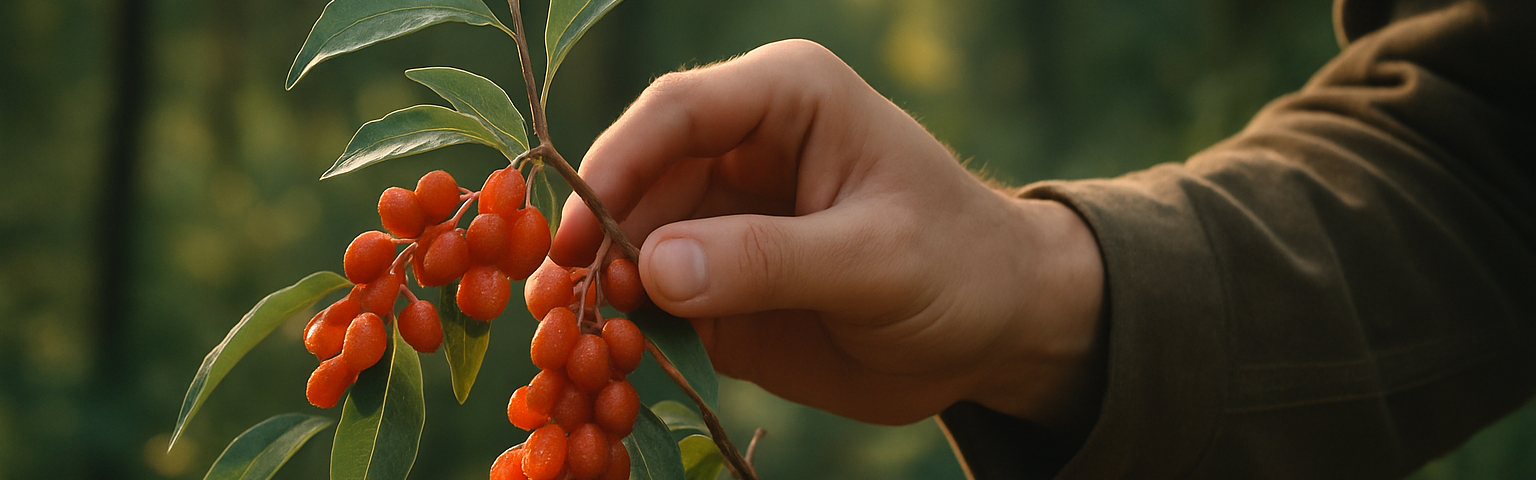
Families across the United States are discovering a creative and surprisingly effective way to support local ecosystems. They are doing it through the food they harvest and cook at home. By learning to identify, gather, and prepare invasive species, households can reduce ecological pressure while enjoying meals that are simple, nutritious, and connected to the land.
Recently, Radio WVTF in Virginia highlighted this growing approach within the conservation community. Ecologists are encouraging people to cook with invasive plants and fish, including autumn olives, kudzu, and blue catfish. These ingredients can be harvested responsibly and prepared with ease. As a result, using them in the kitchen helps restore ecological balance and protects native habitats.
Source: https://www.wvtf.org/news/2024-11-15/invasive-species-dinner
Why Eating Invasive Species Supports Conservation
According to Jacob Barney, an ecology professor and director of Virginia Tech’s Invasive Species Collaborative, turning invasive species into everyday meals encourages essential conversations about stewardship. It also helps families understand the connection between food choices and environmental impact. By transforming something harmful into nourishment, people gain a practical way to support the land.
Each fall, Barney invites his students to prepare dishes made from invasive species. Every December, the group meets to share their recipes and reflect on how creativity, community, and ecological awareness can work together. These gatherings show that food can bring people together while also strengthening local ecosystems.
Invasive species threaten forests, rivers, agricultural lands, and the wild places families depend on for recreation. They compete with native plants and animals, disrupt food webs, and weaken ecological stability. The United States Department of Agriculture reports that invasive species cost the nation billions of dollars each year because they damage crops, habitats, and infrastructure.
Source: https://www.usda.gov/topics/invasive-species
Fortunately, families can help protect ecosystems by learning to harvest invasives responsibly. Preparing these species at home reduces their spread and deepens a family’s connection to the wild landscapes around them.
Autumn Olive: A Tart and Abundant Wild Food
Autumn olive shrubs produce bright orange red berries in the fall. Their tart flavor and high antioxidant content make them ideal for sauces and preserves. Because autumn olives spread aggressively, harvesting them supports both conservation and home cooking.
Simple Autumn Olive Sauce
Ingredients
Two cups autumn olive berries
One quarter cup sugar or honey
One half cup water
Instructions
Combine the berries, water, and sweetener, then simmer until the fruit breaks down. Afterward, strain the mixture to remove seeds and serve over poultry, pork, or wild game.
To learn more about edible wild plants, visit our section on Foraging Wild Edible Plants.
Kudzu: An Invasive Plant with Edible Potential
Kudzu is one of the most well known invasive species in the United States. Although the plant spreads quickly, its young leaves are edible and offer a mild, spinach-like flavor. Because kudzu is so abundant, cooking with it provides a surprisingly effective way to support habitat restoration.
Simple Sautéed Kudzu Leaves
Ingredients
Two cups young kudzu leaves
One tablespoon butter or olive oil
One clove garlic, minced
Salt to taste
Instructions
Sauté the garlic in butter or oil until fragrant. Add the kudzu leaves and cook until tender. Serve this as a simple green side dish.
You can explore more wild food preparation ideas in our Forager’s Kitchen.
Blue Catfish: A Sustainable Choice for Home Cooking
Blue catfish have expanded beyond their native range and become invasive in several waterways. Because they grow quickly and lack natural predators, they have disrupted many aquatic ecosystems. Fortunately, blue catfish are mild in flavor and excellent for family meals, which makes them a valuable ingredient for eco focused cooking.
Ecology reference: https://www.fws.gov/species/blue-catfish-ictalurus-furcatus
Simple Pan Fried Blue Catfish
Ingredients
Two blue catfish fillets
One half cup flour
Salt and pepper
Two tablespoons butter or oil
Instructions
Season the flour with salt and pepper, then coat the fillets lightly. Cook them in butter or oil until golden on each side. Serve with lemon and herbs for a fresh, clean flavor.
For additional wild cooking guidance, visit Wild Cooking and Techniques.
How Communities Are Taking Action
Across the country, people are exploring new ways to manage invasive species. For example, anglers in Oregon have worked together to target invasive walleye to support salmon and steelhead recovery. Their efforts help stabilize the food chain and protect favorite recreational fishing areas.
Source: https://www.opb.org/article/2023/06/12/oregon-invasive-walleye-salmon-steelhead
Families can participate in similar ways. Choosing native plants for the yard, avoiding out of state plant purchases, and learning to recognize invasive species are simple steps that promote ecological health. Additionally, harvesting and cooking invasives is an approachable method that blends sustainability with everyday life.
Although many states continue to face challenges from invasive species, experts agree that prevention is essential. Once an invasive species becomes established, complete removal becomes extremely unlikely. Therefore, early awareness, education, and responsible harvesting help protect the long term health of local ecosystems.
When families begin to see invasive species as both a challenge and an opportunity, they gain a practical way to connect with the land. Every meal becomes a small act of stewardship, and each harvest strengthens a relationship with the natural world.
For more resources and guides on foraging, wild foods, and nature based living, visit The Hunter Gatherer Society.


