
The Hunter Gatherer Society
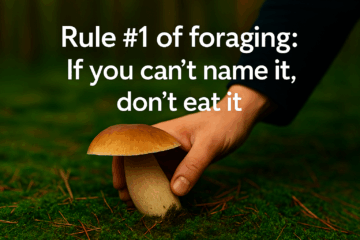
A forest-themed meme with the quote “If you can’t name it, don’t eat it,” reminding foragers to identify mushrooms carefully before eating.

How to Forage Wild Mushrooms Safely: A Beginner’s Guide

There’s something magical about stepping into the woods with a basket in hand, scanning the forest floor for that first glimpse of a mushroom cap peeking through the moss. For me, mushroom foraging isn’t just about finding food—it’s about slowing down, reconnecting with nature, and discovering what the land has to offer. But let’s be honest: when it comes to wild mushrooms, safety is everything. The old saying is true—if you can’t name it, don’t eat it. Every year, people make the mistake of misidentifying mushrooms, and the consequences can be dangerous. That’s why I want to share a few of my go-to rules for foraging wild mushrooms safely, especially if you’re just starting out. My Top Safety Rules for[…]

Read more

Modern Foraging Tips: Interview with a Hunter-Gatherer Dad

Ancient hunter-gatherers lived close to the land, spending their days tracking animals, foraging wild plants, and working fewer hours than today’s average office worker—about 20–30 hours a week. Their survival depended on seasonal knowledge, community sharing, and adaptability. Today, modern foragers are trying to keep those traditions alive while juggling commutes, family schedules, and endless Zoom calls. To explore how people balance the hunter-gatherer lifestyle with modern demands, we sat down with Dave, a suburban dad who’s turned his free time into a crash course on wild food and everyday survival. The Interview: Modern Foraging Tips for Real Life Q: Dave, what’s it like trying to live the hunter-gatherer lifestyle in the modern world?A: Honestly? Exhausting. Anthropologists say ancient hunter-gatherers[…]

Read more

Foraging Adventures: 5 Wild Edibles That Look Dangerous—but Cooked, Are Delicious!

Foraging wild edible plants and mushrooms connects us to the land, our ancestors, and the thrill of uncovering wild flavors most people walk past without noticing. Some of nature’s best‑tasting treasures, however, are unsafe to eat raw — and can be downright dangerous if not prepared correctly. I still remember the first time I handled a false morel on a spring hike in the Cascades: its brain‑like cap looked alien, the air held a damp forest musk, and a voice in my head said, you’d better know exactly what you’re doing. That’s the essence of this list — plants and mushrooms that demand respect, but reward you when cooked with care. In this guide, you’ll discover five fascinating wild edibles[…]

Read more
A few foraging guide recomendations

Essential Resources for Foraging Edible Plants and Mushrooms

When I first ventured into foraging for edible plants and mushrooms, the vast variety available was overwhelming. It’s easy to get lost in the sea of possibilities, but the best way to start is by selecting a few species you feel comfortable identifying. Focus on those, and as you explore, be sure to photograph other plants and fungi you discover along the way. Later, you can use online resources and field guides to identify them. Just as you select specific foraging targets, start with one or two solid field guides for identification. As you gain experience, you’ll naturally expand your library of resources. My Go-To Field Guides for Foraging I often receive questions about which books and field guides I[…]

Read more
Discover the joys of Foraging for Birch Polypore

Foraging and Using Birch Polypore (Fomitopsis betulina): A Comprehensive Guide

As an enthusiastic forager, I love exploring the forest and discovering edible fungi that can elevate my culinary creations. One of my favorite mushrooms to forage is the birch polypore (Fomitopsis betulina). This unique fungus not only has culinary uses but also boasts a variety of health benefits. In this guide, I’ll share my experiences with birch polypore, including how to identify, forage, and prepare it, along with some delicious recipes that will inspire your own foraging adventures. Why Forage Birch Polypore? Birch polypore is a fascinating mushroom that grows on birch trees, making it relatively easy to find in forested areas. This mushroom is not only edible but also packed with potential health benefits. It has been used in[…]

Read more
Social Share Buttons and Icons powered by Ultimatelysocial