The Hunter Gatherer Society
scenic forest background. Centered text A modern Hunter Gatherer then below that it reads Explore, Forage, Reconnect

A Modern Hunter Gatherer: Living Between the Wild and the Everyday

Most people live in two worlds without realizing it. One world is built around grocery aisles, refrigerators, and packaged convenience. The other is quiet and timeless. It exists in the forest, along the shoreline, and in open fields where food still grows wild and free. I live somewhere in between. I am a modern hunter gatherer. For me, foraging is not about living completely off the land or rejecting modern life. It is about balance. I harvest wild mushrooms, edible plants, seafood, and game responsibly, then bring them home to prepare alongside everyday foods from the store. Some meals are fully wild, while others mix wild greens, mushrooms, and simple store ingredients. Together, they tell a story of connection. Before[…]

Read more

Best Edible Wild Mushrooms: My Go-To Favorites for Beginner Foragers

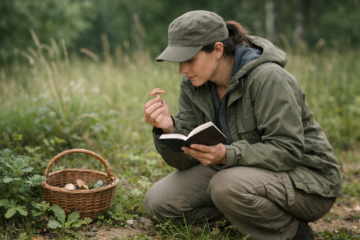
There’s nothing quite like stumbling across a patch of wild mushrooms while out in the woods. I still remember the first time I spotted morels pushing up through the damp spring soil—it felt like striking gold. Over the years, I’ve come to learn that some mushrooms are much better starting points than others. They’re easier to identify, tastier in the kitchen, and less likely to be confused with dangerous look-alikes. If you’re curious about diving into the world of wild mushrooms, here are my top picks for the best edible mushrooms to forage as a beginner. 1. Morels (Morchella spp.) What: Morels are the “celebrities” of the mushroom world—beloved by chefs and foragers alike for their nutty, earthy flavor. Where[…]

Read more
A few foraging guide recomendations

Essential Resources for Foraging Edible Plants and Mushrooms

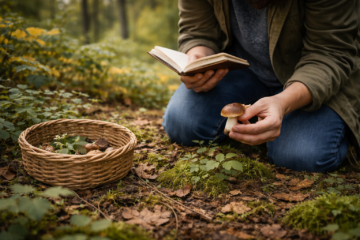
When I first ventured into foraging for edible plants and mushrooms, the vast variety available was overwhelming. It’s easy to get lost in the sea of possibilities, but the best way to start is by selecting a few species you feel comfortable identifying. Focus on those, and as you explore, be sure to photograph other plants and fungi you discover along the way. Later, you can use online resources and field guides to identify them. Just as you select specific foraging targets, start with one or two solid field guides for identification. As you gain experience, you’ll naturally expand your library of resources. My Go-To Field Guides for Foraging I often receive questions about which books and field guides I[…]

Read more
Identifying and using cattails

Foraging and Using Cattails (Typha spp.): A Comprehensive Guide

As a passionate forager, I find immense joy in discovering wild edibles that not only nourish but also connect me with nature. One of my favorite plants to forage is the cattail (Typha spp.). These remarkable plants thrive in wetlands and marshes, providing a wealth of edible parts that can be used in various culinary applications. In this guide, I’ll share everything I’ve learned about foraging, preparing, and using cattails, along with some delicious recipes to inspire your foraging adventures. Why Forage Cattails? Cattails are often overlooked, but they are a true treasure in the foraging world. Almost every part of the cattail plant is edible, making it an incredibly versatile resource. The young shoots, tender flower heads, and even[…]

Read more
Identify and use pine trees

Foraging and Using Pine (Pinus spp.): A Comprehensive Guide

As a forager, I’m always excited to discover unique and nutritious ingredients in the wild, and one of my favorite finds is pine (Pinus spp.). Whether you’re interested in its culinary uses, medicinal benefits, or simply want to connect with nature, foraging for pine needles and other parts of the tree is a rewarding experience. In this guide, I’ll share everything you need to know about foraging, preparing, and using pine in your everyday life. Why Forage Pine? Pine trees are not just beautiful; they’re incredibly versatile. The needles, bark, and even the inner cambium layer can be used in various ways. Pine needles are particularly well-known for their high vitamin C content, which can boost your immune system, especially[…]

Read more
Social Share Buttons and Icons powered by Ultimatelysocial