The Hunter Gatherer Society
Bright red clusters of staghorn sumac berries glowing in autumn sunlight, a wild edible plant commonly foraged for making tangy wild lemonade and spice.

Foraging Sumac: The Tangy Wild Lemonade Tree

If you love discovering new flavors when you forage wild edible plants, sumac is one you will never forget. Those bright red, cone-shaped clusters that stand out in late summer and fall are not just beautiful. They are tangy, citrusy, and bursting with vitamin C. While most people know sumac as a spice in Middle Eastern cooking, few realize that our native species grow wild across North America. Learning how to identify and harvest it safely opens the door to refreshing drinks, zesty seasonings, and a deeper appreciation for the wild foods around us. Learn more about other fall plants in my full guide Forage Wild Edible Plants This Fall: A Beginner’s Guide A Look Back: The History and Traditional[…]

Read more
scenic forest background. Centered text A modern Hunter Gatherer then below that it reads Explore, Forage, Reconnect

A Modern Hunter Gatherer: Living Between the Wild and the Everyday

Most people live in two worlds without realizing it. One world is built around grocery aisles, refrigerators, and packaged convenience. The other is quiet and timeless. It exists in the forest, along the shoreline, and in open fields where food still grows wild and free. I live somewhere in between. I am a modern hunter gatherer. For me, foraging is not about living completely off the land or rejecting modern life. It is about balance. I harvest wild mushrooms, edible plants, seafood, and game responsibly, then bring them home to prepare alongside everyday foods from the store. Some meals are fully wild, while others mix wild greens, mushrooms, and simple store ingredients. Together, they tell a story of connection. Before[…]

Read more
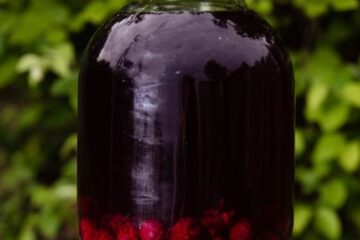
Make cider from foraged berries

Make Wild Fermented Cider with Blackberries or Raspberries: A Step-by-Step Guide

As someone who loves foraging and experimenting with wild ingredients, I’ve discovered that making wild fermented cider with blackberries or raspberries is an incredibly rewarding experience. Preserving these delicious berries from the spring and summer foraging season allows me to create a unique and flavorful beverage. In this guide, I’ll Walk you through the process of making wild fermented cider using your foraged berries, with easy-to-follow steps and tips. Why Choose Wild Fermentation? Wild fermentation is a fascinating process that harnesses the natural yeasts and bacteria present on fruits, allowing them to transform into a bubbly, tangy drink. I love wild fermentation because it connects me to the environment and offers a taste that store-bought options simply can’t match. Each[…]

Read more
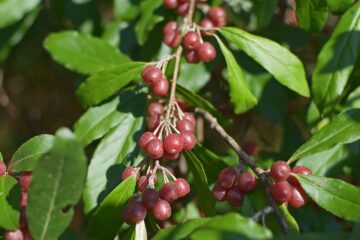
Ripe autumn olive berries hanging on a shrub, showcasing their vibrant red and yellow colors against green foliage

Foraging for Autumn Olive Berries: A Personal Guide to Identification, Uses, and Preparation

Foraging for autumn olive berries (Elaeagnus umbellata) has become one of my favorite fall activities. These small, tart berries, often overlooked, are a delightful and nutritious find during the autumn months. Here’s a complete guide to help you identify, prepare, and store autumn olive berries safely. Growing Range Autumn olive is native to Asia but has become widely established across the United States, particularly in the eastern and southern regions. It can often be found in disturbed areas, fields, and along roadsides. The plant thrives in USDA hardiness zones 4 to 8, making it adaptable to various climates and soil types. Identifying Autumn Olive Berries When searching for autumn olive berries, keep these characteristics in mind: Culinary Uses for Autumn[…]

Read more
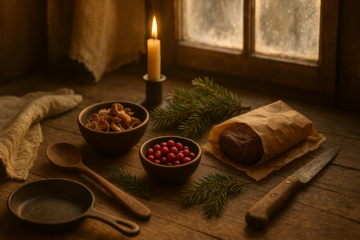
foraging rosehips

Foraging for Rosehips: My Guide to Identification, Uses, and Preparation

Foraging for rosehips, the vibrant fruits of wild roses, has become one of my favorite seasonal activities. These small, round fruits are visually appealing with their bright red or orange colors and packed with nutrients and flavor. Here’s a comprehensive guide to help you identify, prepare, and store rosehips safely. Identifying Rosehips When searching for rosehips, keep these key characteristics in mind: Proper identification of the rose species is essential, as many varieties exist. A reliable foraging guide can assist in confirming the correct species. Culinary Uses for Rosehips Rosehips offer incredible versatility and can serve various culinary and medicinal applications: Preparing Rosehips Storing Rosehips Safety Tips for Foraging Conclusion Foraging for rosehips not only connects you to nature but[…]

Read more
Social Share Buttons and Icons powered by Ultimatelysocial