The Hunter Gatherer Society
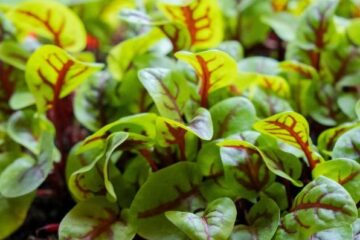
Lush green sheep sorrel (Rumex acetosella) leaves growing in a sunny field, showcasing their distinctive arrow shape and vibrant color.

Discover the Zesty Flavor of Sheep Sorrel: A Forager’s Gem

As late fall approaches, foraging sheep sorrel (Rumex acetosella) is a great addition to your foraging adventures. Known for its distinct tart flavor, this vibrant green is commonly found in fields, lawns, and disturbed areas, making it an accessible option for foragers in November. In this blog, I’ll share where to find sheep sorrel, its edible parts, and some delicious ways to use it in your culinary creations. What is Sheep Sorrel? Sheep sorrel is a perennial herb with arrow-shaped leaves that are bright green and often have a slightly reddish stem. Its leaves are known for their tart, lemony flavor, which adds a refreshing kick to various dishes. I appreciate sheep sorrel not only for its taste but also[…]

Read more
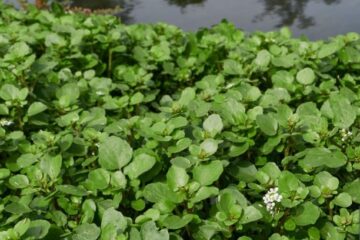
Lush green watercress (Nasturtium officinale) growing in a shallow stream, with delicate leaves and stems visible.

Discover the Delight of Watercress: A Forager’s Treasure

As the cooler months approach, one of the most enjoyable wild edibles to forage is watercress (Nasturtium officinale). This flavorful green is often found in slow-moving streams and freshwater springs, making it a refreshing addition to your foraging adventures in November. In this blog, I’ll share where to find it, how to identify its edible parts, and some delicious ways to use it in your kitchen. What is Watercress? Watercress is a semi-aquatic plant with small, round, dark green leaves and delicate white flowers. Its slightly peppery flavor adds a unique zing to dishes, setting it apart from other leafy greens. I appreciate watercress not only for its taste but also for its impressive nutritional profile. It’s rich in vitamins[…]

Read more
Identifying chickweed

Foraging Essentials: How to Find and Harvest Chickweed.

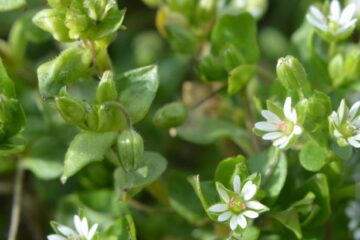
As a avid forager, one of my favorite plants to seek out in the spring is chickweed (Stellaria media). Often regarded as a common weed, it is a great wild edible plant. I also see it as a culinary treasure full of flavor and nutrition just waiting to be discovered. In this guide, I’ll share how to find and harvest chickweed, along with some creative ways to enjoy it in your kitchen. What is Chickweed? Chickweed is a fast-growing annual herb that thrives in cool, moist environments. Whenever I’m out foraging in the spring, I’m always delighted to spot its small, star-like white flowers, which bloom from early spring through summer. The leaves are bright green, oval-shaped, and often have[…]

Read more
Identifying chickweed

Discover the Versatility of Chickweed: A Forager’s Delight

As the cool weather arrives, one of the easiest and most rewarding wild edibles to forage is chickweed (Stellaria media), making it a perfect plant to seek out during fall foraging. This nutritious plant is often overlooked but offers much for foragers, from salads to cooked dishes. Found across much of the U.S., chickweed is accessible to foragers of all levels, and November is an excellent time to harvest it. In this post, I’ll cover where to find chickweed, how to identify its edible parts, and some delicious ways to use it. What is Chickweed? Chickweed is a low-growing plant with small, white, star-shaped flowers. It thrives in cool, moist environments, often found in gardens, fields, and disturbed areas like[…]

Read more
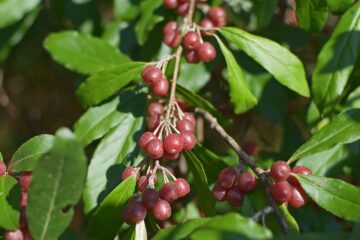
Ripe autumn olive berries hanging on a shrub, showcasing their vibrant red and yellow colors against green foliage

Foraging for Autumn Olive Berries: A Personal Guide to Identification, Uses, and Preparation

Foraging for autumn olive berries (Elaeagnus umbellata) has become one of my favorite fall activities. These small, tart berries, often overlooked, are a delightful and nutritious find during the autumn months. Here’s a complete guide to help you identify, prepare, and store autumn olive berries safely. Growing Range Autumn olive is native to Asia but has become widely established across the United States, particularly in the eastern and southern regions. It can often be found in disturbed areas, fields, and along roadsides. The plant thrives in USDA hardiness zones 4 to 8, making it adaptable to various climates and soil types. Identifying Autumn Olive Berries When searching for autumn olive berries, keep these characteristics in mind: Culinary Uses for Autumn[…]

Read more
Social Share Buttons and Icons powered by Ultimatelysocial