The Hunter Gatherer Society
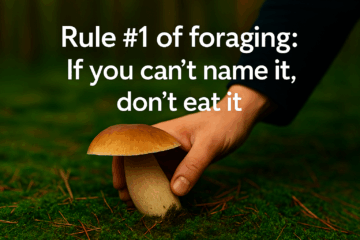
A forest-themed meme with the quote “If you can’t name it, don’t eat it,” reminding foragers to identify mushrooms carefully before eating.

Foraging Wild Mushrooms Safely This Fall

There’s nothing like October in the woods—the crunch of golden leaves, the crisp air, and the thrill of spotting a mushroom cap glowing on the forest floor. Fall is peak mushroom season, but it’s also when beginners are most tempted to take risks. In this guide, I’ll share my rules for foraging wild mushrooms safely, along with some of the best mushrooms to look for this fall. How to Forage Wild Mushrooms Safely Foraging for wild mushrooms is one of the most rewarding experiences in nature, but it also comes with serious responsibility. The forest offers incredible flavors, yet it can also hide a few dangerous look-alikes. The key to a safe and enjoyable experience is knowledge, patience, and respect[…]

Read more
Best Edible Wild Mushrooms: My Go-To Favorites for Beginner Foragers

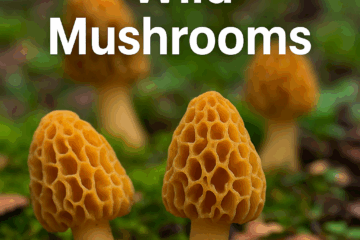
There’s nothing quite like stumbling across a patch of wild mushrooms while out in the woods. I still remember the first time I spotted morels pushing up through the damp spring soil—it felt like striking gold. Over the years, I’ve come to learn that some mushrooms are much better starting points than others. They’re easier to identify, tastier in the kitchen, and less likely to be confused with dangerous look-alikes. If you’re curious about diving into the world of wild mushrooms, here are my top picks for the best edible mushrooms to forage as a beginner. 1. Morels (Morchella spp.) What: Morels are the “celebrities” of the mushroom world—beloved by chefs and foragers alike for their nutty, earthy flavor. Where[…]

Read more
A few foraging guide recomendations

Essential Resources for Foraging Edible Plants and Mushrooms

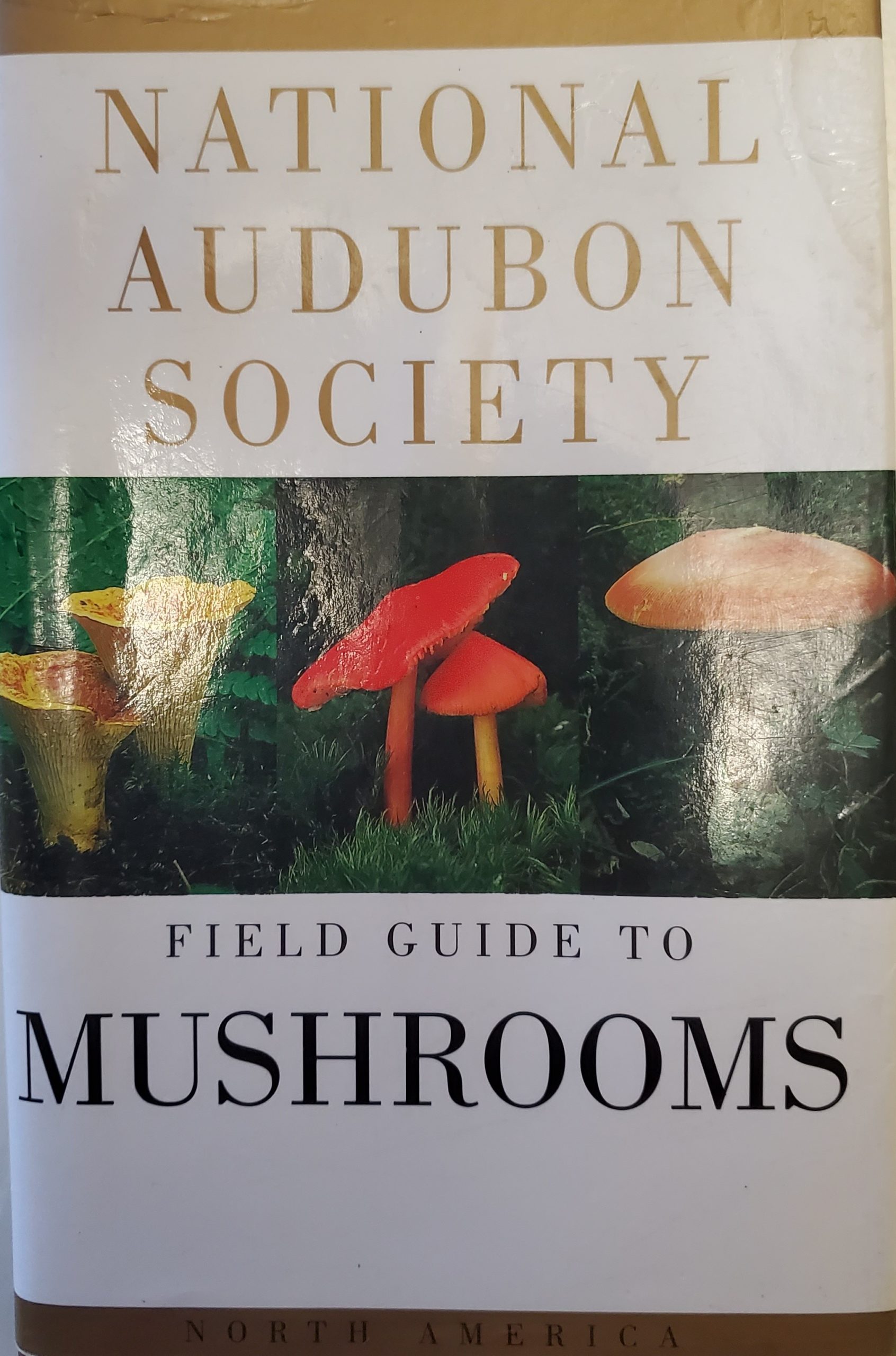
When I first ventured into foraging for edible plants and mushrooms, the vast variety available was overwhelming. It’s easy to get lost in the sea of possibilities, but the best way to start is by selecting a few species you feel comfortable identifying. Focus on those, and as you explore, be sure to photograph other plants and fungi you discover along the way. Later, you can use online resources and field guides to identify them. Just as you select specific foraging targets, start with one or two solid field guides for identification. As you gain experience, you’ll naturally expand your library of resources. My Go-To Field Guides for Foraging I often receive questions about which books and field guides I[…]

Read more
Discover the joys of Foraging for Birch Polypore

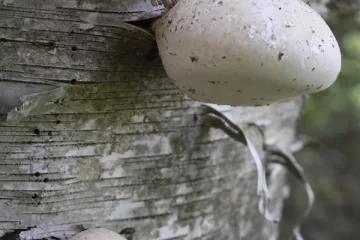
Foraging and Using Birch Polypore (Fomitopsis betulina): A Comprehensive Guide

As an enthusiastic forager, I love exploring the forest and discovering edible fungi that can elevate my culinary creations. One of my favorite mushrooms to forage is the birch polypore (Fomitopsis betulina). This unique fungus not only has culinary uses but also boasts a variety of health benefits. In this guide, I’ll share my experiences with birch polypore, including how to identify, forage, and prepare it, along with some delicious recipes that will inspire your own foraging adventures. Why Forage Birch Polypore? Birch polypore is a fascinating mushroom that grows on birch trees, making it relatively easy to find in forested areas. This mushroom is not only edible but also packed with potential health benefits. It has been used in[…]

Read more

Autumn Foraging: A Guide to September Abundance

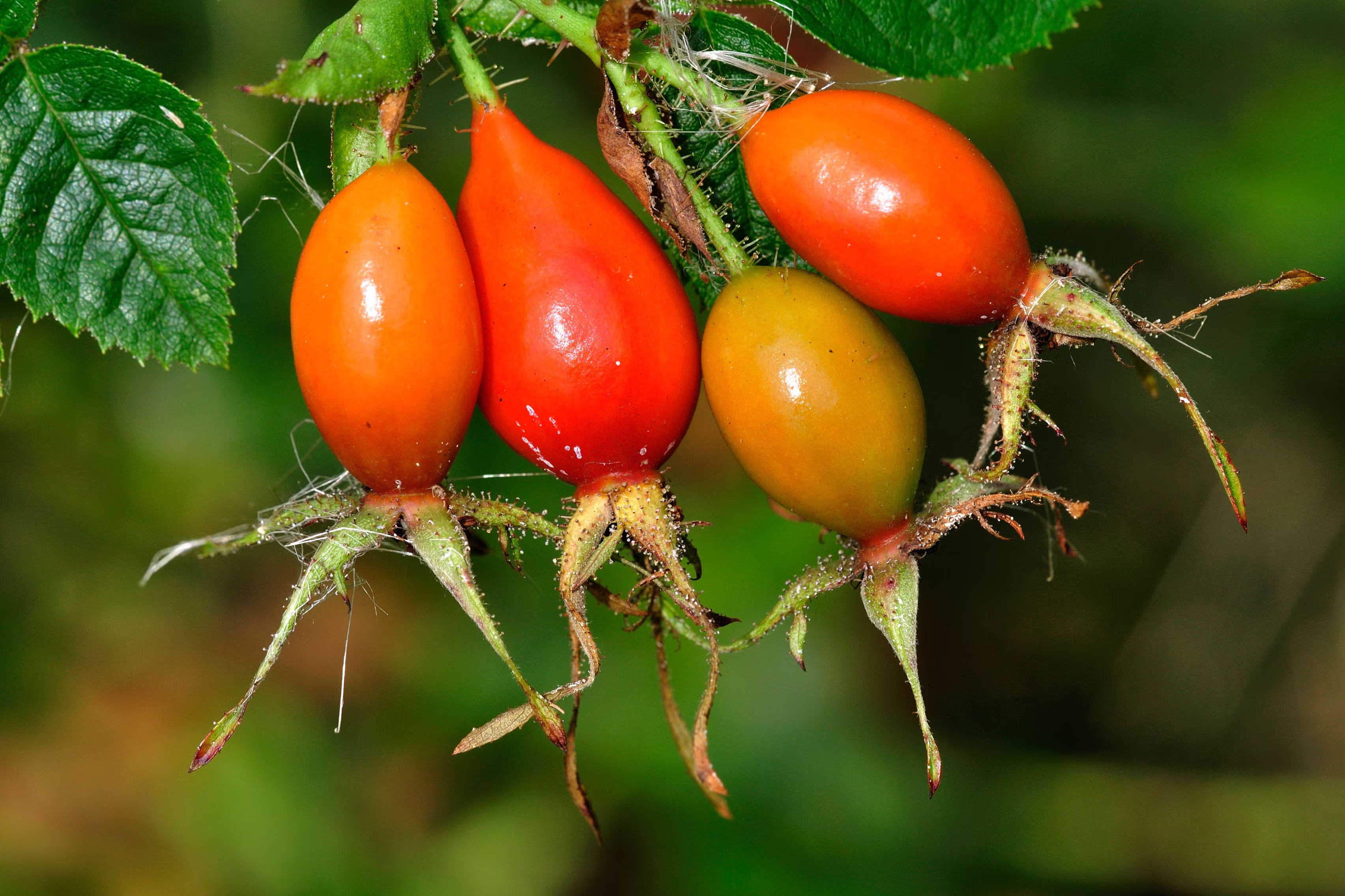
The nights are growing cooler by the day and the leaves are beginning to fall. This is one of my favorite times of year for foraging. September offers an abundance of wild edibles ripe for foraging. Whether you’re a seasoned forager or just beginning to explore nature’s pantry, Autumn foraging is perfect for gathering some of the most flavorful and nutrient-rich treasures. From fruits to fungi, here are the top five things to look for while Autumn foraging. 1. Wild Apples (Malus spp.) September is apple season, and while cultivated varieties fill the markets, wild apples are often overlooked gems. These smaller, tart apples can be found growing in old orchards, abandoned farms, or even along rural roads. While they[…]

Read more
Social Share Buttons and Icons powered by Ultimatelysocial