Four Edible Blue Staining Boletes
Mushroom identification like many hobbies is riddled with opinions and myths. One frequent myth is that you should avoid blue staining boletes. In fact, there are many good edible blue staining boletes.
Read moreDo Something Wild
Welcome to The Hunter Gatherer Society, your guide to modern foraging, primitive fishing, and outdoor living. Whether you’re identifying wild edible plants, testing outdoor gear in rugged terrain, or fermenting ingredients gathered from the forest, this is where you’ll learn to reconnect with nature through hands-on experience and seasonal wisdom. Explore beginner-friendly foraging guides, gear reviews, and wild food recipes created for real life. From learning the basics of plant identification to discovering new ways to cook what you forage, The Hunter Gatherer Society is about building confidence outdoors. We blend traditional knowledge with modern adventure to inspire a more grounded, self-reliant way of living.
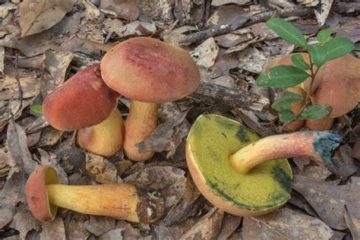
Mushroom identification like many hobbies is riddled with opinions and myths. One frequent myth is that you should avoid blue staining boletes. In fact, there are many good edible blue staining boletes.
Read more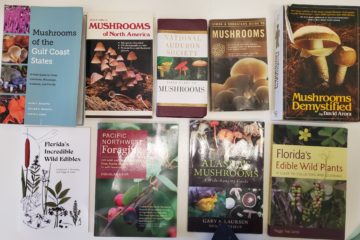
When foraging edible plants and edible mushrooms the first time the vast number of them can be overwhelming. As I have mentioned before, the best way to get started is to pick a select few that you feel comfortable identifying and begin there. As you search for those edible plants and/or mushrooms be sure to photograph other discoveries that you make and try to identify them later using the web and your resources. Similar to what you forage you should start out with one or two good field guides to use for identification. As you forage more you will inevitably pick up more and more resources. Often, I am asked what books and field guides I use when identifying wild[…]
Read more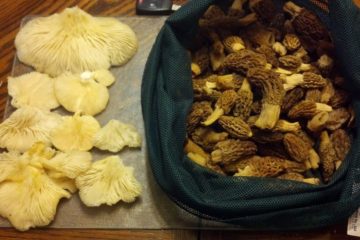
You must love the outdoors, or at least want to love the outdoors to be a forager. It is sometimes referred to as quiet hunting. You can spend hours in the woods walking miles and come home empty handed. Or, sometimes, you will be in the right place at the right time and stumble on to the motherload. However, if you expect the latter each time you will be frustrated, disappointed, and it will bring an end to your foraging journey. Foraging is about so much more than finding wild edible plants and mushrooms. It is about reconnecting with nature in a way that was always intended. There is simple soothing and even healing benefits to slowly searching through the[…]
Read moreLong before my venture into the foraging world I was vaguely aware of the edibility of the common yard puffball. In general, my family was averse to the harvesting of wild mushrooms. However, the puffball did receive notable mention from my grandmother when I was a child. That was the first and for a long-time last mention of wild edible mushrooms outside of course of the very popular morel. As I began to explore the world of wild mushroom hunting the puffball, being common in my area, was a great fist run at the collection and preparation of edible mushrooms. It took very little research to understand the identification and edibility of these little white wonders and again in my[…]
Read more
Growing up in Minnesota, one of my favorite snacks was pickled fish, and to this day, I still relish it. A real treat for me was the opportunity to enjoy pickled northern pike when it was available. The texture of pickled pike is truly special; unlike store-bought pickled herring, it retains a firm and clean consistency that enhances the overall enjoyment. I’ve even managed to convert a few friends who claimed they didn’t like pickled fish! After moving to Alaska, where northern pike is abundant, I found myself in Florida, where this fish is harder to come by. In Alaska, I discovered a great substitute: pickled pollock. Like pike, pollock has a nice firmness and pairs beautifully with pickling spices.[…]
Read more