There’s nothing like October in the woods—the crunch of golden leaves, the crisp air, and the thrill of spotting a mushroom cap glowing on the forest floor. Fall is peak mushroom season, but it’s also when beginners are most tempted to take risks.
In this guide, I’ll share my rules for foraging wild mushrooms safely, along with some of the best mushrooms to look for this fall.
How to Forage Wild Mushrooms Safely
Foraging for wild mushrooms is one of the most rewarding experiences in nature, but it also comes with serious responsibility. The forest offers incredible flavors, yet it can also hide a few dangerous look-alikes. The key to a safe and enjoyable experience is knowledge, patience, and respect for the land.
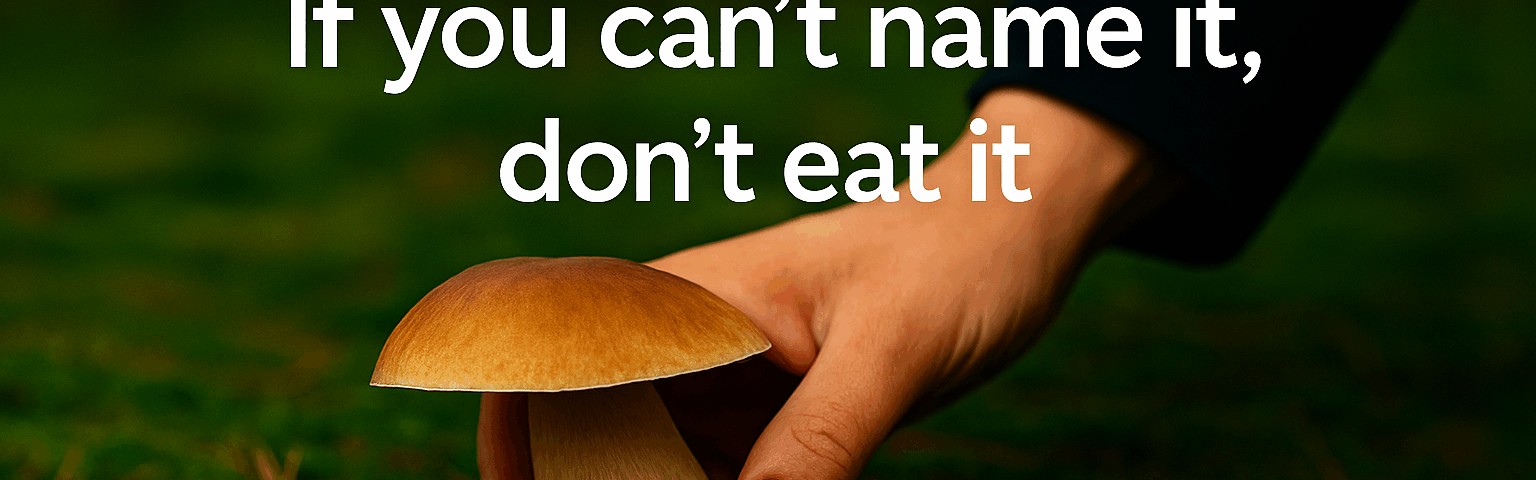
1. If You Can’t Name It, Don’t Eat It
This is the golden rule of mushroom hunting. If you aren’t completely certain what a mushroom is, don’t take a chance. Guessing in the world of wild mushrooms can be dangerous, even deadly. Some toxic species look almost identical to edible ones, and even a small mistake can lead to serious illness.
When I was first learning, I passed on more mushrooms than I picked. Over time, as I studied and practiced, I started to recognize patterns, colors, textures, scents, and growth habits, that made identification easier. Until you can confidently name what you’ve found, it’s best to simply appreciate it and move on.
2. Start with a Few Reliable Species
Begin with just a handful of easy-to-recognize mushrooms. Chanterelles, giant puffballs, and chicken of the woods are all excellent choices for beginners because of their distinctive features and low risk of confusion with poisonous look-alikes.
Learning a few species deeply is better than trying to memorize many at once. Get to know where they grow, what trees they prefer, how they smell, and how they change through the season. The forest will start to feel like a familiar friend rather than a mystery.
3. Double-Check Every Find
Even experienced foragers double-check their mushrooms. Field guides, mushroom identification apps, and local mycology groups are great tools to help confirm your discoveries. I often compare photos from multiple sources, check the smell, and look at spore prints if I’m uncertain.
If possible, share your finds with local foragers or join a mushroom identification group online. Sometimes a quick second opinion can save you from a dangerous mistake.
4. Harvest with Care
Mushrooms are part of a delicate underground network that connects trees, soil, and plants. When you harvest, use a knife to cut the mushroom cleanly at the base rather than pulling it from the ground. This helps protect the mycelium, the hidden root system that allows mushrooms to grow again next season.
I like to take only what I’ll use and leave the smaller or older ones behind. Harvesting with care ensures there’s always something left for wildlife, other foragers, and future growth.
5. Learn from Others
If you can, go out with someone who’s been foraging longer than you. Experienced eyes can teach you more in one walk than a dozen books ever could. Watch how they identify mushrooms, where they look, and how they move through the forest.
When I first started, I joined a local foraging group in Minnesota and quickly realized how much knowledge is passed down through shared experience. Foraging isn’t just about finding food, it’s about community, connection, and learning from one another.

Best Edible Wild Mushrooms in Fall
1. Chanterelles
Identification:
Chanterelles are among the most recognizable and beloved fall mushrooms. Their golden-orange caps glow like embers on the forest floor, often near mossy logs or beneath fir and hemlock trees. The edges of the caps are wavy and delicate, and they give off a light, fruity aroma that reminds me of apricots. True chanterelles have soft ridges instead of sharp gills, which helps you tell them apart from false chanterelles that have distinct, blade-like gills.
Harvesting Tips:
Use a knife or scissors to snip the mushroom at the base, leaving the underground mycelium undisturbed so it can grow again. It’s tempting to pick them all, but I always remind myself to leave some behind. Foraging should be about connection, not collection.
How to Prepare:
Fresh chanterelles sautéed slowly in butter are hard to beat. I like to toss them with garlic, a splash of cream, and a pinch of salt for an easy pasta sauce. Their earthy sweetness pairs beautifully with eggs, potatoes, or even a warm fall soup.
Storage:
Keep chanterelles in a paper bag in the fridge. They’ll stay fresh for about three to five days. Avoid plastic bags because they trap moisture and cause the mushrooms to spoil faster.
2. Chicken of the Woods
Identification:
You can’t miss this one. Chicken of the Woods grows in large, bright orange shelves stacked on trees, often on oak. The vibrant color looks almost unreal against the bark. The younger, tender edges are best for eating, while older specimens can become dry and crumbly.
Harvesting Tips:
When you find a good cluster, cut away the outer few inches of the soft, fresh growth. This keeps the inner portion intact to release spores and regrow later.
How to Prepare:
This mushroom truly earns its name. When cooked, it has a meaty, slightly lemony flavor that tastes remarkably like chicken. Slice it into strips and pan-fry with olive oil and herbs. One of my favorite ways to enjoy it is in a simple sandwich with homemade bread and a touch of mayo. It’s like nature’s chicken sandwich.
Storage:
Chicken of the Woods keeps well in the fridge for up to a week. You can also freeze slices for later meals or dehydrate them to extend their shelf life.
3. Lion’s Mane
Identification:
Lion’s Mane looks nothing like your typical mushroom. It grows as a white, shaggy ball with icicle-like “teeth” hanging down. You’ll find it clinging to hardwood trees, sometimes high up, but occasionally within easy reach. Its texture and flavor make it a favorite among foragers and chefs alike.
Harvesting Tips:
Use a clean knife to cut it gently from the wood, taking care not to bruise the soft, spongy texture. The fresher and whiter it looks, the better.
How to Prepare:
Lion’s Mane has a mild, seafood-like flavor that reminds many people of crab or lobster. I like to tear it into chunks, press out a bit of water, and sauté it in butter until golden. It’s perfect for vegan crab cakes or tossed into a creamy chowder.
Storage:
Store in the refrigerator for three to four days, or slice and dehydrate it to use later in soups and stews.
4. Giant Puffball
Identification:
Imagine walking through the woods and spotting what looks like a white volleyball resting on the ground. That’s a giant puffball. Inside, it should be solid white all the way through. If you see any yellowing or brown spots, it’s past its prime.
Harvesting Tips:
Carefully slice the puffball open before harvesting to check the interior. A clean white center means it’s ready to eat. Handle gently, as they can bruise easily.
How to Prepare:
Cut the puffball into thick slices and treat it like a meatless steak. Dip the slices in egg, coat them in breadcrumbs, and fry until golden. It soaks up flavor beautifully, making it an excellent vegetarian substitute in classic dishes. I’ve even grilled it over the campfire—it holds up surprisingly well.
Storage:
Puffballs are best eaten fresh within two to three days. If you find a big one, slice and freeze portions for later meals.
5. Hen of the Woods (Maitake)
Identification:
Hen of the Woods, also known as Maitake, grows at the base of oak or maple trees in layered clusters that look like a fluffed-up hen. The gray-brown fronds are soft and feathery, and the aroma is rich and earthy.
Harvesting Tips:
Cut the cluster cleanly at the base with a knife, leaving the tough core behind. These mushrooms often return year after year to the same spot, so remember where you found it.
How to Prepare:
This mushroom is savory, hearty, and packed with umami flavor. I love roasting Maitake clusters in the oven with a drizzle of olive oil and a sprinkle of sea salt. The edges crisp up beautifully, almost like roasted chicken skin. It’s also fantastic in soups, stir-fries, or tossed into risotto.
Storage:
Maitake keeps well in the fridge for about a week. You can also freeze or dehydrate it for later use.
Fond fall foraging memory
One of my favorite foraging memories takes me back to a cool October morning in northern Minnesota. I was hiking along an old logging road lined with birch and pine, where the air was damp and smelled of fallen leaves. As I rounded a bend, I noticed small white shapes scattered along the edge of the road. At first, I thought they were stones, but when I looked closer, I realized they were puffball mushrooms.
There weren’t just a few. They stretched down the road in what seemed like an endless line, each one perfectly round and bright white. Some were the size of golf balls, others as big as baseballs. I filled my pack until it was nearly full, smiling the whole way back to my truck.
That evening, I sliced the puffballs into thick rounds, added pizza sauce, cheese, and a few of my favorite toppings, then baked them until golden around the edges. The result was incredible—crispy on the outside, tender inside, and full of rich, earthy flavor. It was a simple and delicious meal that felt like a gift from the woods.
Moments like that stay with me. Quiet roads, cool air, and unexpected abundance remind me why I love foraging. The forest always has something special waiting for those willing to slow down and look.
Free Resource: Download My Foraging 101 Guide
Want to feel confident identifying mushrooms? My Foraging 101 guide is free and designed for beginners.
👉 Download your free Foraging 101 Guide here
Recommended Resources
Here are some tools that make mushroom foraging safer and more enjoyable. These are items I personally recommend:
- 🔪 Mushroom Knife with Brush – For clean cuts and quick cleanup in the field. See one here
- 🛍️ Paper Bags – My go-to for breathable storage that keeps mushrooms from getting slimy. See options here
- 🎒 Sturdy Backpack – Perfect for carrying your paper bags, guide, and gear comfortably. Find one here
- 📘 Field Guide to Edible Mushrooms – Reliable references to cross-check your finds. Grab one here
Explore My Etsy Shop
🍂 Want a printable foraging journal to track your mushroom finds? Visit my Etsy shop:
Final Thoughts
October is truly the heart of mushroom season. The forest is damp and fragrant, the leaves are glowing with color, and everywhere you look, the ground seems to come alive with hidden treasures. This is the time of year when patience and curiosity are rewarded with full baskets and unforgettable moments in nature.
With a little caution and the right tools, you can safely gather some of the most flavorful wild mushrooms of the year. Each trip into the woods is more than a hunt for food, it’s a chance to slow down, breathe deeply, and reconnect with the rhythm of the forest.
There’s a quiet joy in the walk back home after a successful forage. Your basket is full, your boots are muddy, and you carry not just mushrooms but memories of the woods, the scent of rain-soaked earth, the whisper of wind through the trees, and the satisfaction of finding what nature freely gives.
The forest is alive. Step inside and see what treasures it has to share.


