The Hunter Gatherer Society
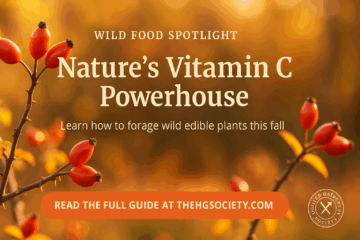
Bright red rosehips growing on wild rose bushes in autumn sunlight, surrounded by soft green and yellow leaves, a vibrant example of wild edible plants to forage for tea, jam, and syrup.

Foraging Rosehips: Nature’s Vitamin C Powerhouse

When you forage wild edible plants in the fall, few are as rewarding as rosehips. These bright red fruits of the wild rose are easy to find, easy to identify, and packed with flavor and nutrition. Rosehips have been prized for centuries as a source of vitamin C and are still loved today for teas, jams, and herbal remedies. Rosehips appear after wild roses drop their petals, transforming simple blossoms into clusters of glowing red fruit that stand out against fading fall colors. Whether you’re new to foraging or just exploring new plants to add to your list, rosehips are a perfect place to start. Learn more about other fall plants in my full guide — Forage Wild Edible Plants[…]

Read more
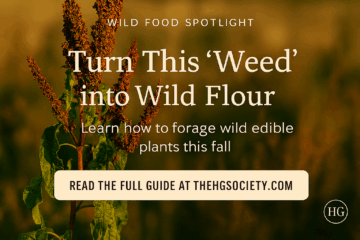
Curly dock plant with tall brown seed stalks and wavy green leaves growing in autumn sunlight, a wild edible plant often foraged and used to make wild flour.

Foraging Curly Dock: From Common Weed to Wild Flour

When you forage wild edible plants, few will surprise you like curly dock. What many people see as an invasive weed is actually a nutrient-rich plant that has fed and healed people for centuries. From its tangy young leaves to its hardy seeds, curly dock offers food, flour, and even medicine if you know how to use it. If you’re learning to forage wild edible plants this fall, curly dock is a great place to start. It’s easy to find, simple to identify, and grows just about everywhere. Learn more about other fall plants in my full guide — Forage Wild Edible Plants This Fall: A Beginner’s Guide A Look Back: The History and Traditional Uses of Curly Dock Curly[…]

Read more
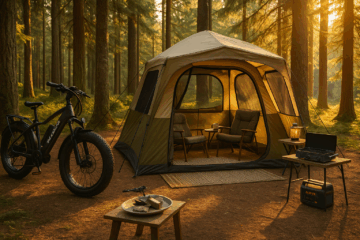
Forest campsite with Wallke H9 eBike, Gazelle Tent, Jackery Power Station, and Hike Crew Stove.

My Favorite Outdoor Adventure Essentials: Gear That Makes Every Trip Better

When it comes to outdoor adventures, I’ve learned that having the right gear doesn’t just make things easier. It completely changes the experience. Over the years, I’ve used my favorite pieces of equipment in all kinds of places. From the humid backwoods and swampy edges of the Everglades in Florida to the rugged forests and rocky beaches of the Pacific Northwest, this gear has proven itself in every kind of weather. Now that I’m based here on the West Coast, I’ve brought that same setup with me into a whole new environment, and it continues to hold up beautifully. The only newcomer to my lineup is the Wallke H9 AWD eBike, which I recently added to explore farther into the[…]

Read more
scenic forest background. Centered text A modern Hunter Gatherer then below that it reads Explore, Forage, Reconnect

A Modern Hunter Gatherer: Living Between the Wild and the Everyday

Most people live in two worlds without realizing it. One world is built around grocery aisles, refrigerators, and packaged convenience. The other is quiet and timeless. It exists in the forest, along the shoreline, and in open fields where food still grows wild and free. I live somewhere in between. I am a modern hunter gatherer. For me, foraging is not about living completely off the land or rejecting modern life. It is about balance. I harvest wild mushrooms, edible plants, seafood, and game responsibly, then bring them home to prepare alongside everyday foods from the store. Some meals are fully wild, while others mix wild greens, mushrooms, and simple store ingredients. Together, they tell a story of connection. Before[…]

Read more

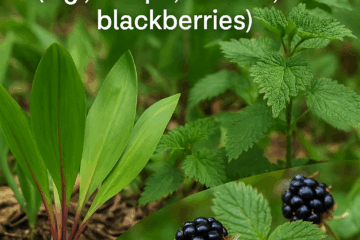
Forage Wild Edible Plants: Beginner-Friendly Greens, Roots, and Berries

When I first started foraging, I thought mushrooms would be my main focus. But over time, I realized that wild plants are just as exciting—sometimes even more so. They’re easier to find, often safer for beginners, and can be used in all kinds of simple ways in the kitchen. In this post, I’ll walk you through some of my favorite beginner-friendly wild edible plants and how to start foraging them responsibly. If you’re curious about expanding your skills beyond mushrooms, learning to forage wild edible plants is the perfect next step. Easy Wild Edible Plants for Beginners 1. Nettles Basic ID: Stinging nettle grows in tall clusters with serrated, pointed leaves. Fine stinging hairs cover the stems and leaves, causing[…]

Read more
Social Share Buttons and Icons powered by Ultimatelysocial