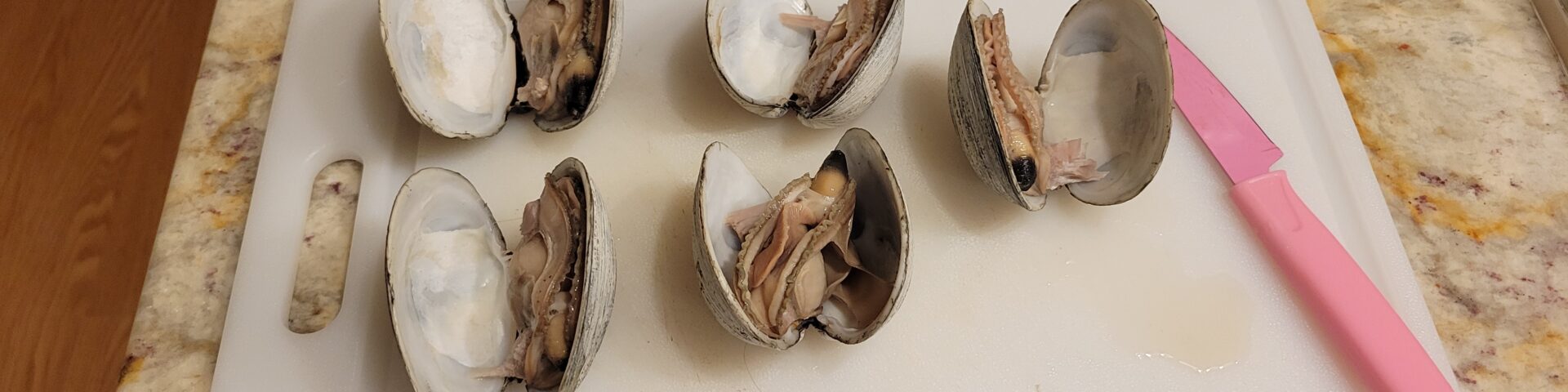
Harvesting Butter and Steamer Clams at Seven Sisters Beach
Late January along the Washington coast has a quiet beauty to it. The crowds are gone, the air is sharp and clean, and the tide charts matter more than the calendar. On this particular morning, temperatures sat in the high 30s to low 40s, and low tide created the perfect window for winter clam digging in Washington.
While inland foraging options are limited this time of year, living near the coast gives me access to an entirely different food source. The sea does not stop providing in winter. It simply offers different opportunities to those willing to learn its rhythms.
This trip took place at Seven Sisters Beach near Port Ludlow, Washington, connected to Shine Tidelands State Park. It is a productive stretch of shoreline with clearly defined clam digging seasons and regulations. On this tide, everything lined up perfectly, and I was able to harvest a full legal limit of butter clams along with several beautiful, perfectly sized steamer clams.
This outing will be shared both as a YouTube Short and a longer video, but this article documents the full experience and provides practical guidance for anyone interested in clam digging in Washington during the winter months.
Why Winter Clam Digging in Washington Is Worth Learning
Winter is often framed as a season of scarcity for foragers. Fresh greens are limited, mushrooms are weather dependent, and berries are long gone. Coastal harvesting changes that story.
Clams remain available when tides and seasons align, making winter shellfish harvesting in Washington one of the most reliable cold-season food gathering options available. Harvesting clams creates a deep connection to place. You are gathering food shaped by moon cycles, tidal movement, and long-term stewardship.
Living near the coast gives me access to food that many inland foragers simply do not have this time of year. Learning how to harvest clams legally and sustainably is one of the most practical skills a coastal forager can develop.
Know Before You Dig
Washington Clam Seasons, Safety, and Beach Status
Clam digging in Washington is tightly regulated, and for good reason. Healthy shellfish beds depend on both environmental conditions and responsible harvesters.
Before stepping onto any beach, I always check two official sources.
The first is Washington Department of Fish and Wildlife, which manages shellfish seasons, daily limits, and beach openings. Regulations can change quickly based on population health, so confirming beach status is essential before every trip.
The second is the Washington State Department of Health. Washington actively monitors marine toxins and harmful algal blooms. A beach may be legally open but temporarily unsafe to harvest from. The Department of Health recreational shellfish safety map should always be checked before clam digging.
If either agency shows a closure, I do not dig.
Sustainable Clam Digging Practices That Protect the Beach
Responsible clam harvesting is not optional. It is essential.
Every clam bed depends on how people treat it season after season. If you want clams to exist next year and ten years from now, you have to harvest with care.
I follow these sustainable clam digging practices every time.
Fill in every hole after digging. Open holes disrupt sediment structure and can trap small marine life.
Take only your legal limit. Limits protect long-term shellfish populations and ensure fair access.
Harvest selectively. Undersized or damaged clams should be gently returned to the hole and covered.
Respect posted boundaries and closed areas without exception.
Sustainable clam digging protects both the beach and the future of shellfish harvesting in Washington.
Simple Clam Digging Tools I Actually Use
I keep my clam digging setup simple and accessible. No specialized tools are required.
For this trip, I used a regular garden shovel and a small hand rake.
The garden shovel handles the main digging. I angle it slightly back to avoid striking the shell, especially when digging deeper butter clams. As I get closer, I switch to the hand rake and my hands to finish the job gently.
This approach reduces broken shells, minimizes disturbance to the surrounding sediment, and encourages slower, more intentional harvesting. If you already garden, you likely already own everything you need to dig clams responsibly.
How I Harvest Butter Clams and Steamer Clams
At Seven Sisters Beach, the substrate is a mix of sand and fine gravel, which is ideal habitat for both butter clams and steamer clams.
I look for subtle surface signs such as small dimples or keyhole-shaped openings in the sand. These often indicate a clam below the surface.
I begin with the shovel to open the area, then transition to the hand rake and my hands as I get closer. Butter clams tend to sit deeper than steamers, so patience matters. Taking your time helps prevent shell damage and keeps the clam bed healthy.
On this tide, I reached my legal limit without overworking any single area of the beach.
Cleaning and Preparing Fresh Clams
I begin cleaning my clams right at the beach using seawater.
Once the clams are in my bucket, I add fresh seawater and swish them around thoroughly, then dump the water. I repeat this process several times until the water runs fairly clear. This removes loose sand before the clams ever leave the shoreline.
Next, I fill the bucket about halfway with clean seawater and allow the clams to purge naturally. Steamer clams typically sit for about forty minutes. Larger butter clams need more time, often a couple of hours.
At home, I rinse the clams under cold running water and lightly scrub each shell with a soft brush. At this point, the clams are clean, alive, and ready to cook. They should smell fresh and briny.
Simple Butter Clam Pasta Recipe
White Wine or Beer Option
This simple butter clam pasta recipe highlights the natural flavor of fresh Washington clams without overpowering them.
Ingredients
Fresh butter clams or steamer clams
Pasta such as linguine or spaghetti
Unsalted butter
Garlic, minced
Shallot or small onion, finely diced
Dry white wine such as Sauvignon Blanc
Optional substitute: a light beer or pilsner
Fresh parsley
Red pepper flakes
Salt and black pepper
Method
Cook pasta in well salted water until al dente. Reserve one cup of pasta water and drain.
In a wide pan, melt butter and sauté the shallot until soft. Add garlic and cook briefly.
Deglaze with white wine or beer and simmer briefly. Add clams, cover, and cook until they open.
Toss with pasta, a splash of reserved pasta water, parsley, and red pepper flakes. Season to taste and serve immediately.
Why Winter Clam Digging Is a Coastal Advantage
This day at Seven Sisters Beach reinforced why coastal living matters to me. Winter does not have to mean disconnecting from food. It simply means adapting to what the land and sea are offering.
Winter clam digging in Washington is physical, meditative, and deeply rewarding. When done responsibly, it remains one of the most sustainable food traditions still available.
Learn your tides. Check regulations every time. Fill your holes. Take your limit and no more.
The sea will continue to provide as long as we show up as good stewards.
Full YouTube Video


