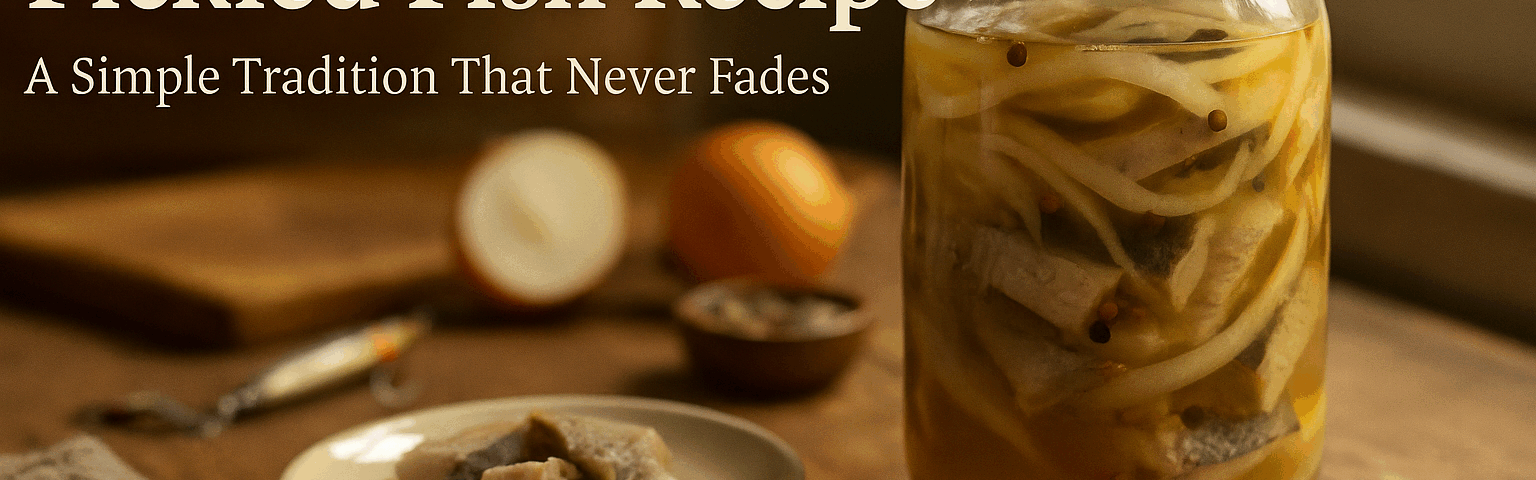
When I was growing up in Minnesota, pickled fish was more than just food, it was a tradition. I can still remember the jars of brine and onions sitting on the table beside homemade bread after a long day on the lake. Over the years, I’ve kept that memory alive by making my own pickled fish with whatever firm, fresh catch I can find.
This simple homemade pickled fish recipe uses mild white fish, onions, and a tangy vinegar brine. The result is bright, flavorful, and full of nostalgia, proof that some recipes truly stand the test of time.

Ingredients
For the fish cure
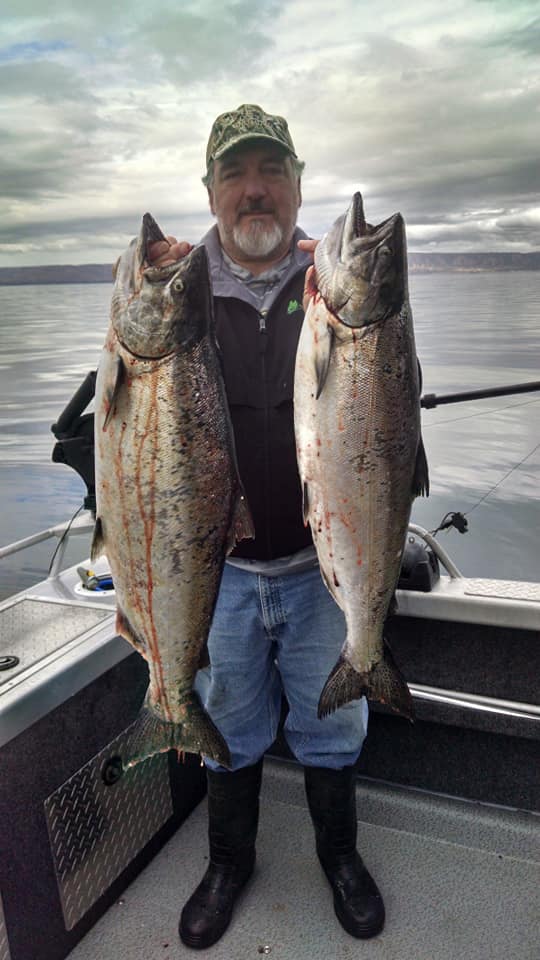
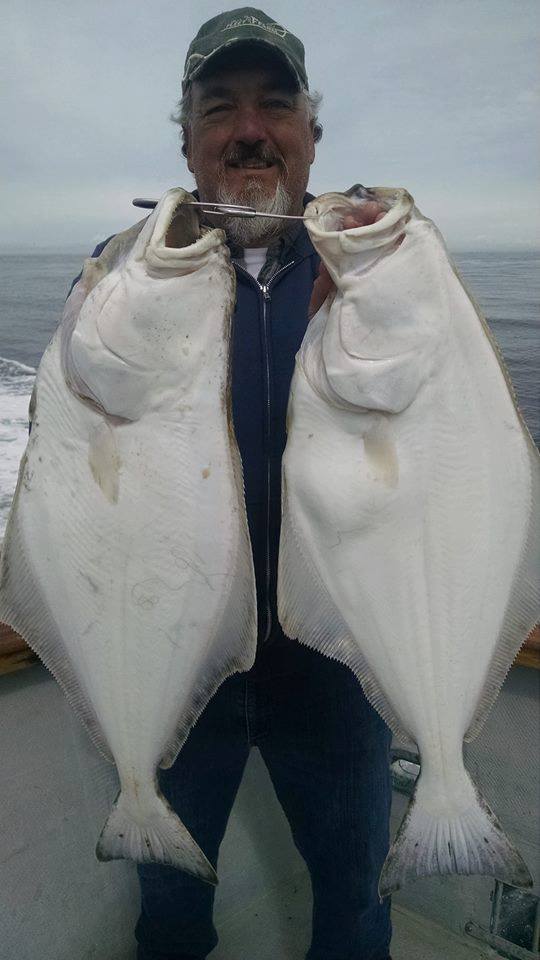
- 1 gallon of firm white fish such as pollock, pike, cod, or perch, cut into bite-sized pieces
- 1 ⅓ cups of canning salt or iodine-free salt
- White vinegar to cover the fish by 2 to 3 inches
For the pickling brine
- 8 cups of white vinegar
- 7 cups of white sugar
- ⅓ cup of pickling spices
- ⅓ cup of white wine
- 2 sweet onions, thinly sliced
Step-by-Step Instructions
1) Cure the fish
Pack the fish in a clean one-gallon glass jar or two half-gallon jars, layering it with the canning salt. Pour in enough vinegar to cover the fish by a couple of inches. Place the jar in the refrigerator for five days and give it a gentle shake once a day to keep the mixture even.
2) Rinse and firm
After five days, pour off the vinegar mixture and rinse the fish with cold water. Put the fish in a bowl, cover it with cold water and a handful of ice, and let it sit for about an hour in the refrigerator. Drain it well before moving on.
3) Make the brine
In a large pot, combine the vinegar, sugar, pickling spices, and white wine. Bring it to a gentle boil, then reduce the heat and simmer for about five minutes. Let the brine cool completely in the refrigerator before using it.
4) Pack and pickle
In a clean jar, layer the fish and sliced onions. Pour the cooled brine over the top until everything is covered. Refrigerate for at least three days before enjoying. The fish will sink a bit as it pickles.
Best Fish for Pickling
The best fish for pickling is one that’s fresh, mild, and firm enough to hold its shape in brine.
Here are a few great options:
- Northern pike – a classic choice with a firm texture that holds beautifully.
- Pollock or cod – mild in flavor and easy to find almost anywhere.
- Haddock, trout, or perch – also excellent choices when fresh and firm.
- Local options – use whatever white fish is responsibly harvested in your area.
Serving Ideas
Pickled fish is one of those foods that feels right at home on a simple table. Serve it cold with buttered toast, rye bread, or crackers. It pairs nicely with boiled potatoes, a sprinkle of dill, or a few capers for a bit of brightness. It’s perfect for a small appetizer plate or a light afternoon snack.
Storage, Safety, and Prep Tips
- Keep it cold. Pickled fish must stay refrigerated at all times. Keep it at about 38 to 40 degrees Fahrenheit and enjoy it within four to six weeks for the best flavor and safety.
- Freeze wild fish first. If you’re using wild freshwater fish, freeze it solid for at least four days before pickling to help kill any parasites.
- Use the right container. Stick with glass or food-safe plastic. Avoid metal since salt and vinegar can react with it.
- Stay clean. Wash your hands, tools, and work surfaces well before and after handling raw fish.
Frequently Asked Questions
How long should I wait before eating it?
Give it at least three days in the brine so the flavor and texture can develop. It gets even better after a week.
Can this recipe be canned?
No, this is a refrigerator recipe. It should always be kept cold and is not safe for pantry storage.
Can I change the sugar or spices?
Absolutely. You can use a little less sugar or add spices like peppercorns, dill seed, or red pepper flakes. Just keep the vinegar strength the same to stay within safe pickling limits.
Final Thoughts
There’s something deeply satisfying about making your own pickled fish. It’s a simple recipe that connects you to the past and rewards you with something bright, flavorful, and homemade. Every time I prepare a new batch, I’m reminded of how this pickled fish recipe turns humble ingredients into something special.
If you’ve never tried making pickled fish before, give it a go. It doesn’t take much, just fresh fish, vinegar, onions, and a little patience. Once you taste the first bite, you’ll understand why this timeless recipe has stayed around for generations.
And if you enjoy recipes like this, explore more in the Wild Food Recipes section or check out the Forager’s Cookbook and Preservation Guide for more traditional ways to preserve and enjoy your harvest.


