The Hunter Gatherer Society
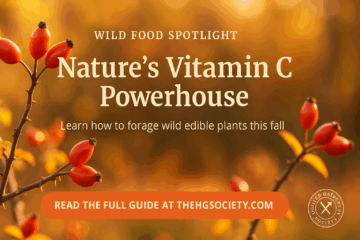
Bright red rosehips growing on wild rose bushes in autumn sunlight, surrounded by soft green and yellow leaves, a vibrant example of wild edible plants to forage for tea, jam, and syrup.

Foraging Rosehips: Nature’s Vitamin C Powerhouse

When you forage wild edible plants in the fall, few are as rewarding as rosehips. These bright red fruits of the wild rose are easy to find, easy to identify, and packed with flavor and nutrition. Rosehips have been prized for centuries as a source of vitamin C and are still loved today for teas, jams, and herbal remedies. Rosehips appear after wild roses drop their petals, transforming simple blossoms into clusters of glowing red fruit that stand out against fading fall colors. Whether you’re new to foraging or just exploring new plants to add to your list, rosehips are a perfect place to start. Learn more about other fall plants in my full guide — Forage Wild Edible Plants[…]

Read more
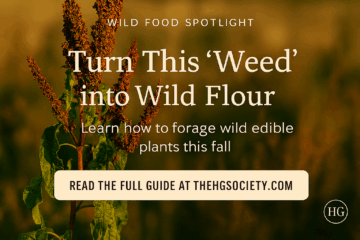
Curly dock plant with tall brown seed stalks and wavy green leaves growing in autumn sunlight, a wild edible plant often foraged and used to make wild flour.

Foraging Curly Dock: From Common Weed to Wild Flour

When you forage wild edible plants, few will surprise you like curly dock. What many people see as an invasive weed is actually a nutrient-rich plant that has fed and healed people for centuries. From its tangy young leaves to its hardy seeds, curly dock offers food, flour, and even medicine if you know how to use it. If you’re learning to forage wild edible plants this fall, curly dock is a great place to start. It’s easy to find, simple to identify, and grows just about everywhere. Learn more about other fall plants in my full guide — Forage Wild Edible Plants This Fall: A Beginner’s Guide A Look Back: The History and Traditional Uses of Curly Dock Curly[…]

Read more

Forage Wild Edible Plants: Beginner-Friendly Greens, Roots, and Berries

When I first started foraging, I thought mushrooms would be my main focus. But over time, I realized that wild plants are just as exciting—sometimes even more so. They’re easier to find, often safer for beginners, and can be used in all kinds of simple ways in the kitchen. In this post, I’ll walk you through some of my favorite beginner-friendly wild edible plants and how to start foraging them responsibly. If you’re curious about expanding your skills beyond mushrooms, learning to forage wild edible plants is the perfect next step. Easy Wild Edible Plants for Beginners 1. Nettles Basic ID: Stinging nettle grows in tall clusters with serrated, pointed leaves. Fine stinging hairs cover the stems and leaves, causing[…]

Read more

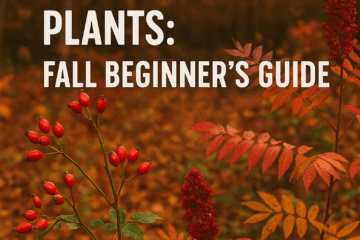
Forage Wild Edible Plants This Fall: A Beginner’s Guide

October isn’t just about pumpkins and cider. It’s also one of the best times of year to forage wild edible plants. Cool nights, autumn rains, and crisp mornings bring out a bounty of fruits, greens, and roots that thrive in the fall. Foraging in October is the perfect mix of discovery and nourishment — a chance to fill your basket with nutrient-rich foods while soaking in the colors and quiet of the season. In this guide, I’ll share some of the best wild edible plants to forage in fall, the essential gear I always bring along, and a few lessons I’ve learned from years of exploring the autumn woods. Whether you’re a beginner or just looking to reconnect with the[…]

Read more
Person writing in a foraging journal on a mossy forest floor with sunlight filtering through trees, surrounded by wild plants, mushrooms, and a woven basket.

Introducing the Foraging Journal & Beginner’s Field Guide

Learn, Record, and Reconnect With the Wild One Page at a Time Now available on Amazon: Foraging Journal & Beginner’s Field GuideBrowse more journals & companion pages: Foragers’ Journals (HG Society) Discover the Joy of Learning by Doing If you’ve ever felt the pull to slow down and reconnect with nature — to notice what’s growing around you, to taste wild flavors, and to understand your local landscape — this guide was made for you. The Foraging Journal & Beginner’s Field Guide blends practical knowledge with mindful exploration. It’s part learning tool, part keepsake — a place to identify wild edible plants and mushrooms while recording your personal discoveries and reflections. Whether you’re wandering your backyard, hiking a mossy trail,[…]

Read more
Social Share Buttons and Icons powered by Ultimatelysocial