
The Hunter Gatherer Society
Forager at home reviewing foraging gear and studying a field journal in preparation for the new season

The Forager’s Reset

Preparing Your Gear, Awareness, and Skills for the Coming Season The forager’s reset is a quiet moment that shows up every year if you are paying attention. As the rush of peak season fades, trails begin to feel different. Baskets sit empty, and familiar paths lose their urgency. Although the land is still alive, it is no longer offering itself so easily. For many people, this space between seasons feels uncomfortable. It often feels like lost momentum or inactivity. For a forager, however, this moment is an invitation. This reset is not a dramatic overhaul, nor is it a list of goals you abandon in two weeks. Instead, it is a chance to slow down, clean up the edges, and[…]

Read more
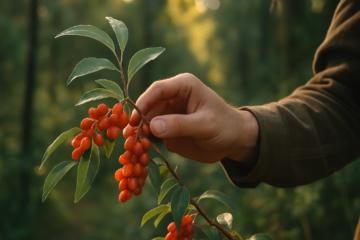
Close up of a person harvesting invasive autumn olive berries at a woodland edge during soft natural light. Represents eating invasive species and sustainable foraging.

Eating Invasive Species: How Families Protect Local Ecosystems Through Cooking

Families across the United States are discovering a creative and surprisingly effective way to support local ecosystems. They are doing it through the food they harvest and cook at home. By learning to identify, gather, and prepare invasive species, households can reduce ecological pressure while enjoying meals that are simple, nutritious, and connected to the land. Recently, Radio WVTF in Virginia highlighted this growing approach within the conservation community. Ecologists are encouraging people to cook with invasive plants and fish, including autumn olives, kudzu, and blue catfish. These ingredients can be harvested responsibly and prepared with ease. As a result, using them in the kitchen helps restore ecological balance and protects native habitats.Source: https://www.wvtf.org/news/2024-11-15/invasive-species-dinner Why Eating Invasive Species Supports Conservation[…]

Read more
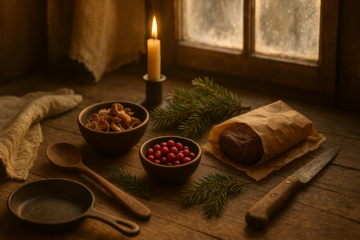
A rustic winter kitchen table with dried mushrooms, evergreen needles, wild berries, and old world cooking tools arranged in warm golden morning light for a historical Christmas wild food theme.

A Historical Christmas Table: How Our Ancestors Used Wild Foods To Celebrate The Winter Season

There is something about winter that nudges us toward reflection. Christmas especially has a way of reminding me that people have always found comfort in food gathered from the land. When the world slowed down and the first snow settled across the forest, our ancestors leaned on the same skills many of us are rediscovering today. They cooked with what they had stored, dried, and preserved. They brought wild flavors into the home to lift spirits and share warmth. That idea still moves me. It feels grounding to know that the things we forage in spring, summer, and autumn can become part of our own winter traditions. In many ways, this is the original Christmas cooking. It connected families to[…]

Read more
Rustic winter tabletop with foraging gifts including a mushroom knife, mesh bag, journal, gloves, and evergreen sprigs arranged warmly for a holiday gift guide.

10 Best Holiday Gifts for Foragers: A Friendly, Field-Tested Guide for Wild Food Lovers

Shopping for a forager can feel oddly impossible. One moment they’re thrilled about a mushroom shaped like a lopsided potato. Later, they’re in the yard explaining the meaning of life to a cedar tree. Because foragers see the world differently, the best gifts are the ones that honor that spark. This guide was written by someone who spends an unreasonable amount of time wandering the woods. The ten gifts below are truly useful, joyful, and chosen with care. Affiliate Disclosure: This article contains affiliate links, including Amazon affiliate links. As an Amazon Associate, I earn from qualifying purchases. These links cost you nothing and help support The Hunter Gatherer Society. 1. The Forager’s Guide to Wild Foods Check it out[…]

Read more
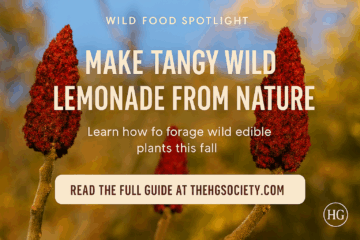
Bright red clusters of staghorn sumac berries glowing in autumn sunlight, a wild edible plant commonly foraged for making tangy wild lemonade and spice.

Foraging Sumac: The Tangy Wild Lemonade Tree

If you love discovering new flavors when you forage wild edible plants, sumac is one you will never forget. Those bright red, cone-shaped clusters that stand out in late summer and fall are not just beautiful. They are tangy, citrusy, and bursting with vitamin C. While most people know sumac as a spice in Middle Eastern cooking, few realize that our native species grow wild across North America. Learning how to identify and harvest it safely opens the door to refreshing drinks, zesty seasonings, and a deeper appreciation for the wild foods around us. Learn more about other fall plants in my full guide Forage Wild Edible Plants This Fall: A Beginner’s Guide A Look Back: The History and Traditional[…]

Read more
Social Share Buttons and Icons powered by Ultimatelysocial