Introduction
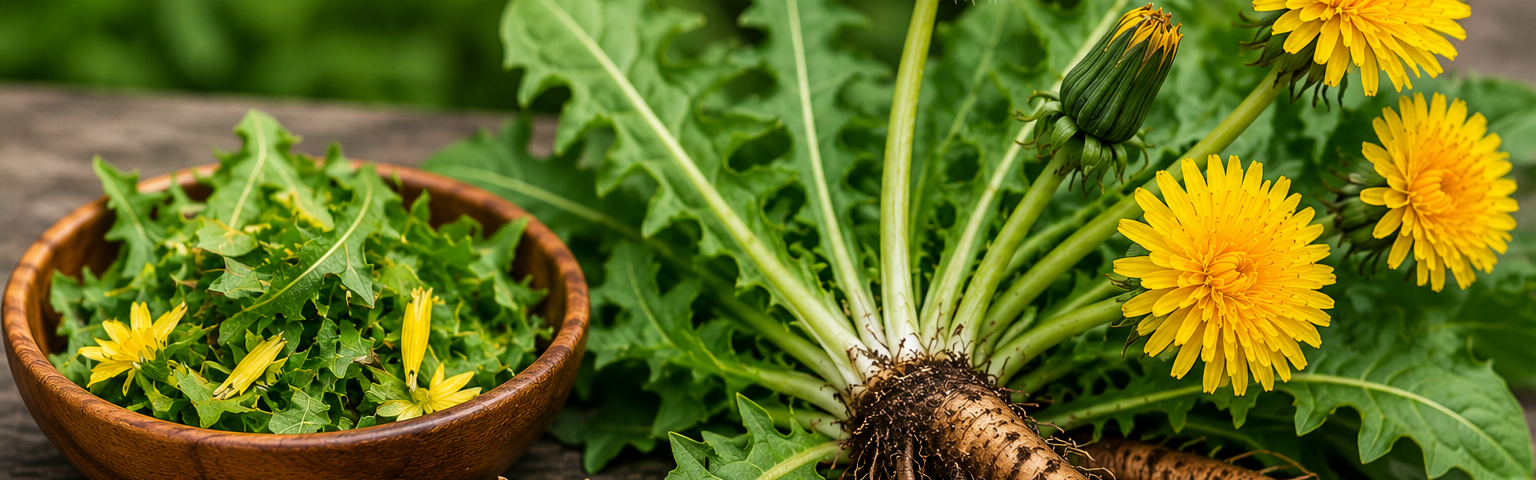
This Dandelion Identification Guide helps beginners confidently identify, harvest, and use one of the most common wild edible plants in North America. If you learn only one plant first, make it the dandelion. I’ve harvested dandelions across multiple states, and they remain one of the easiest, safest, and most useful wild foods you can gather. From bright yellow flowers to nutritious greens and versatile roots, you can use nearly every part of the plant.
Many people spend years trying to remove dandelions from their lawns without realizing they are looking at a nutritious edible plant that has been used for food for centuries. Learning how to identify dandelions correctly is one of the easiest ways to build confidence as a forager.
Quick Answer Box: Dandelion Identification Guide
Can you eat dandelions?
Yes. Dandelions are edible from root to flower.
What do dandelions taste like?
Young leaves are mildly bitter, flowers are slightly sweet, and roasted roots have a nutty, earthy flavor.
When should you harvest dandelions?
Young leaves are best in spring. Flowers are best when freshly opened. People often harvest the roots in spring or fall.
Are dandelions safe to eat?
Yes, when properly identified and harvested from clean locations.
Key Takeaways
- Dandelion is one of the easiest wild edible plants to identify.
- The entire plant is edible.
- Young leaves are best for salads and cooked greens.
- Use flowers in tea, jelly, wine, and fritters
- Roast roots for a tea or coffee substitute
- Dandelions grow throughout most of North America.
- Harvest only from clean areas free of herbicides and pesticides.
- This Dandelion Identification Guide covers everything beginners need to know.
Dandelion Identification Guide: Featured Snippet Answers
Is dandelion edible?
Yes. Leaves, flowers, flower buds, and roots are edible and have been used as food for centuries.
What part of a dandelion can you eat?
The entire plant can be eaten, including the leaves, flowers, buds, roots, and stems.
What does dandelion taste like?
Young leaves are mildly bitter. Flowers have a subtle sweetness. Roasted roots develop earthy, coffee-like flavors.
Is dandelion healthy?
Dandelions contain vitamins A, C, and K, along with calcium, potassium, iron, magnesium, and fiber.
Scientific Classification and Quick Facts
Scientific Name: Taraxacum officinale
Family: Asteraceae
Common Names:
- Dandelion
- Common Dandelion
- Lion’s Tooth
- Blowball
- Puffball
Plant Type: Herbaceous perennial
Native Range: Eurasia
Current Distribution: Worldwide
Edibility: Entire plant edible
Foraging Difficulty: Beginner
Dandelion Identification Guide: Identification
Dandelions are among the easiest plants for beginners to learn. Once you know the key characteristics, they become difficult to confuse with most other species.
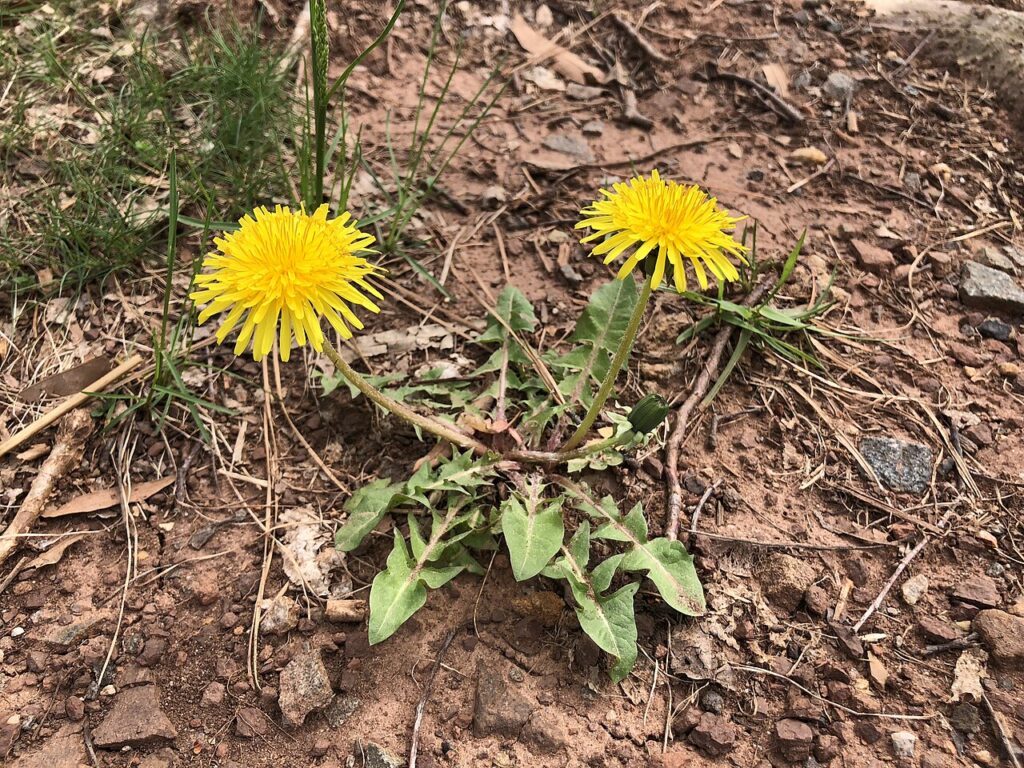
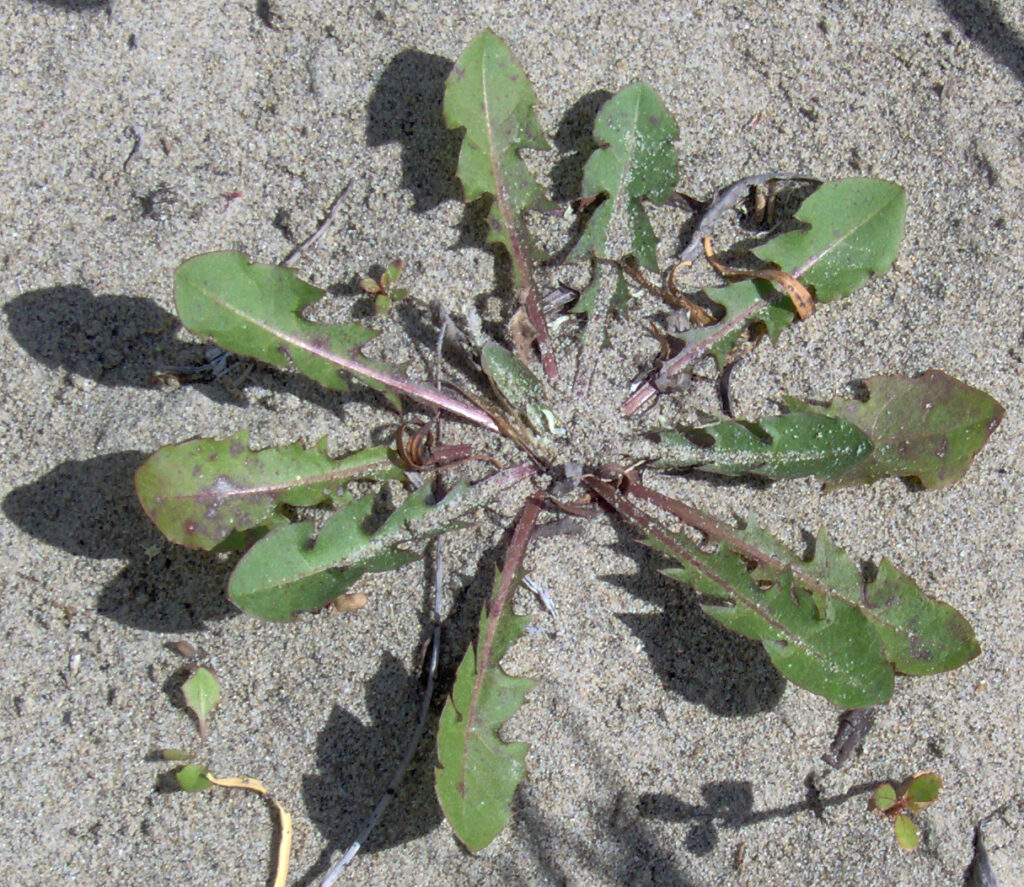
The plant grows as a basal rosette, meaning all leaves emerge directly from a central point at ground level.
Unlike many yellow-flowered plants, dandelions produce a single flower on a hollow, leafless stem.
After flowering, the familiar white seed head develops into the classic puffball that many people remember from childhood.
Dandelion Identification Guide: Quick Identification Checklist
Leaves form a basal rosette at ground level.
Leaves are deeply toothed.
Leaf teeth point backward toward the center of the plant.
Flower stems are hollow.
Each stem produces only one flower.
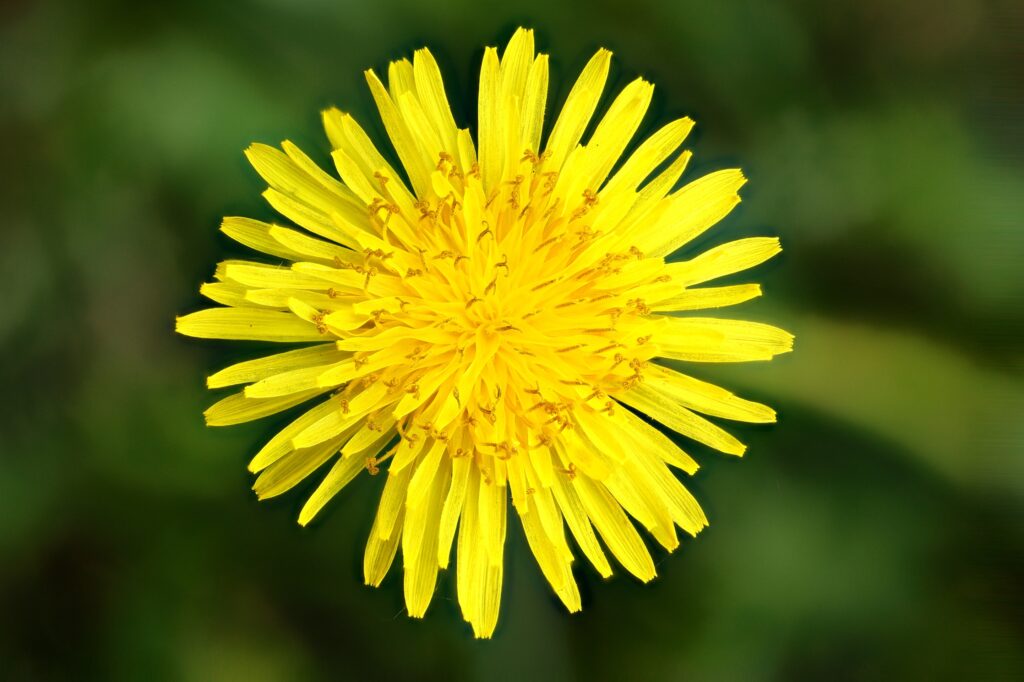
Flowers are bright yellow.
Broken stems release white milky sap.
Seed heads form white spherical puffballs.
Key Features Checklist
Dandelion Leaf Identification
The leaves are long and narrow with jagged teeth that point toward the center of the plant.
Dandelion Flower Identification
Each flower head contains hundreds of tiny yellow florets packed together.
Dandelion Stem Identification
The flower stem is hollow, smooth, and leafless.
Dandelion Sap Identification
Breaking the stem releases a white milky sap.
Dandelion Root Identification
The plant produces a thick taproot that often extends deep into the soil.
Beginner Identification Tips
When helping new foragers identify dandelions, I recommend focusing on three key features.
First, look for the basal rosette.
Next, confirm that each flower grows on its own hollow stem.
Finally, break the stem and check for white milky sap.
Using all three characteristics together provides excellent identification confidence.
Habitat and Distribution
Dandelions thrive in disturbed soils and open sunny locations.
Common habitats include:
- Lawns
- Fields
- Roadsides
- Parks
- Gardens
- Pastures
- Trail edges
- Vacant lots
Today they are found throughout North America and much of the world.
Seasonality and Availability
Spring
Spring is generally the best season for harvesting leaves.
Summer
Flowers become abundant while leaves become more bitter.
Fall
Roots are often harvested during fall because energy reserves have accumulated underground.
Winter
Plants may remain green in mild climates.
Edible Parts
One reason dandelions are so valuable is that nearly every part of the plant can be used.
Leaves
Young leaves are commonly eaten raw or cooked.
Flowers
Flowers can be eaten fresh or dried.
Flower Buds
Unopened buds can be pickled.
Roots
Roots can be roasted, dried, brewed, or cooked.
Stems
Although edible, stems are generally quite bitter.
Taste and Texture
Young leaves have a pleasant bitterness similar to arugula, chicory, or endive.
Flowers possess a mild sweetness.
Roots become rich and nutty when roasted.
Two Easy Dandelion Recipes: Garlic-Butter Greens and Pickled Roots
Nutritional Information
Dandelions provide:
- Vitamin A
- Vitamin C
- Vitamin K
- Calcium
- Potassium
- Iron
- Magnesium
- Fiber
The greens are often considered more nutrient-dense than many cultivated salad greens.
Traditional and Historical Uses
Dandelions have been used as food across Europe, Asia, and North America for centuries.
Fresh greens were valued after long winters.
Roots were dried and roasted.
Flowers were used in beverages and seasonal recipes.
Food Uses
Popular uses include:
- Fresh salads
- Soups
- Stir fries
- Sautéed greens
- Dandelion jelly
- Dandelion wine
- Flower fritters
- Pickled buds
One of my favorite approaches is mixing young dandelion leaves with milder greens to balance bitterness.
Tea Uses
Flower Tea
Fresh or dried flowers produce a light floral tea.
Root Tea
Roasted roots create a rich caffeine-free beverage often used as a coffee substitute.
Cooking Uses
Sautéing
Cook leaves with olive oil and garlic.
Blanching
Blanching helps reduce bitterness.
Roasting
Roots can be roasted until dark brown.
Baking
Flowers can be incorporated into baked goods.
Harvesting Guide
Harvesting Leaves
Collect young leaves before flowering whenever possible.
Harvesting Flowers
Gather flowers shortly after opening.
Harvesting Buds
Choose unopened buds near the center of the plant.
Harvesting Roots
Dig carefully to remove as much of the taproot as possible.
Preservation Methods
Drying Leaves
Dry leaves for teas and herbal blends.
Drying Flowers
Spread flowers in a thin layer with good airflow.
Drying Roots
Clean, slice, and dry thoroughly.
Roasting Roots
Roast dried roots before storage.
Freezing Greens
Blanched greens freeze well.
Pickling Buds
Pickled buds are often compared to capers.
Look-Alikes
Common look-alikes include:
- Cat’s Ear
- Hawkweed
- False Dandelion
- Sow Thistle
Most are not dangerous, but proper identification remains important.
Comparison Table
| Feature | Dandelion | Cat’s Ear | Sow Thistle |
|---|---|---|---|
| Stem | Hollow | Solid | Hollow |
| Flowers per Stem | One | Multiple | Multiple |
| Leaf Hair | Smooth | Hairy | Variable |
| Growth Form | Basal Rosette | Basal Rosette | Upright |
Safety Considerations
Always harvest from clean environments.
Avoid areas that may have:
- Herbicide treatments
- Pesticide applications
- Industrial runoff
- Heavy traffic contamination
- Pet waste
Individuals with allergies to plants in the Asteraceae family should use caution.
Common Mistakes
Harvesting Mature Leaves
Older leaves become increasingly bitter.
Collecting from Treated Lawns
Many lawns receive chemical treatments.
Ignoring Habitat Quality
A correctly identified plant may still be unsafe if harvested from a contaminated location.
Waiting Too Long
Young plants provide the best flavor.
My Field Notes
Dandelions completely changed the way I view the landscape.
Years ago, I saw them as weeds. Today, I see one of the most reliable wild foods available.
Every spring, bright yellow flowers begin appearing along trails, roadsides, and fields. Those blooms often signal the beginning of another foraging season.
When introducing someone to foraging, dandelions are usually the first plant I discuss because they are abundant, useful, nutritious, and relatively easy to identify.
FAQ
Can you eat dandelions raw?
Yes. Young leaves are commonly eaten raw in salads.
Are dandelion flowers edible?
Yes. Flowers are edible and widely used in recipes and beverages.
Can you eat dandelion roots?
Yes. Roots can be roasted, dried, and brewed.
Why are dandelion leaves bitter?
Bitterness increases as leaves mature.
What is the best time to harvest dandelions?
Young spring leaves and fall roots are generally considered the best harvest periods.
Related Hunter Gatherer Society Articles
Learn more beginner-friendly edible plants with our guides to:
Wood Sorrel (Oxalis): Edibility, Identification, and Uses
California Mushroom Poisonings: Warning Signs Every Forager Should Know
Additional Resources and References
Dandelion Profile – USDA Plants Database
Official plant distribution and classification information.
Dandelion – University of Minnesota Extension
Research-based information on identification and management.
Dandelion – Missouri Botanical Garden
Botanical information and species characteristics.
Summary
This Dandelion Identification Guide demonstrates why dandelions are one of the most accessible and useful wild edible plants in the world.
Their widespread distribution, ease of identification, nutritional value, and versatility make them an ideal species for beginners and experienced foragers alike.
From fresh spring greens to roasted autumn roots, nearly every part of the plant offers practical value. Better yet, learning to identify dandelions builds the confidence needed to explore many other wild edible species.
Check out our previous foraging article: Plantain (Plantago): Identification, Edibility, Uses, Harvesting, and Complete Field Guide
Foraging Safety Disclaimer
This article is intended for educational purposes only.
Never consume any wild plant unless you are completely certain of its identification. Always verify identification using multiple trusted sources, harvest only from clean locations, and consult qualified experts when learning new species. The Hunter Gatherer Society encourages ethical, responsible, and safety-focused foraging practices.


