The Hunter Gatherer Society
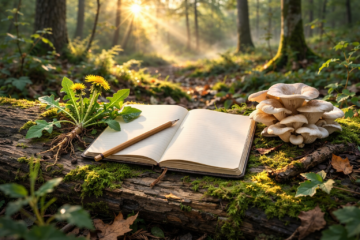
Beginner foraging plan with field notebook, dandelion, and oyster mushrooms in natural forest setting

Beginner Foraging Plan: One Plant and One Mushroom Per Month

You Don’t Need to Know Every Plant to Start Foraging If you’ve ever felt overwhelmed trying to learn wild edible plants and mushrooms, you’re not alone. In fact, most beginners assume they must recognize dozens of species before they can safely enjoy foraging. Many believe they need to memorize scientific names, understand plant families, and identify everything they see before they even begin. However, that belief stops more people than anything else. Here’s the truth. You don’t need to know everything. Instead, you need a simple beginner foraging plan you can realistically follow. The Beginner Forager Framework New articles every Thursday at 6:00 PM This article is part of a 12-week series designed to help you build real skill through[…]

Read more
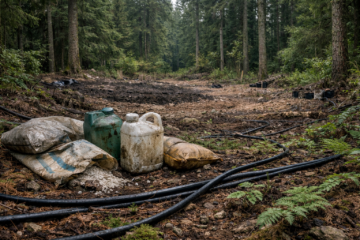
Illegal grow site contamination on public land showing abandoned pesticide containers and irrigation tubing in a forest ecosystem

Illegal Grow Sites Are Poisoning Public Lands: What Every Forager Needs to Know

Public lands have always been a place of renewal for me. Forests, riverbanks, and remote trails are where I go to reset. These places provide food, clarity, and perspective. They are where I find mushrooms pushing through the soil, berries ripening in the sun, and the quiet reminder that life does not need to be complicated. Recently, researchers began warning about a hidden threat spreading across America’s public forests. Scientists studying illegal cannabis cultivation sites describe abandoned pesticide containers as “little death bombs” because wildlife chew into them and die from exposure. This is not isolated damage. It is a growing environmental threat affecting ecosystems that foragers, hunters, and outdoor enthusiasts depend on. Understanding this risk is essential for anyone[…]

Read more
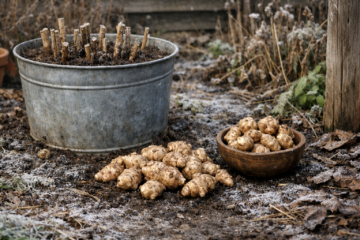
Jerusalem artichoke winter harvest from a container garden in January

The Winter Vegetable That Feeds Me Every Year

Why I Grow Jerusalem Artichokes in Containers Mid January is not supposed to look like this, yet my Jerusalem artichoke winter harvest proves otherwise. Most gardens are quiet. Beds sit empty. The work of the growing season feels far away. Yet on a cold winter morning, I tip over a container, brush soil from my hands, and pull fresh food from the earth. Jerusalem artichokes are the one vegetable I grow once and harvest every year, improving after frost and rewarding patience when almost nothing else is growing. This is the winter vegetable that feeds me every year. What Jerusalem Artichoke Really Is and Why It Belongs in a Winter Garden Jerusalem artichoke, often called sunchoke, is a perennial tuber[…]

Read more
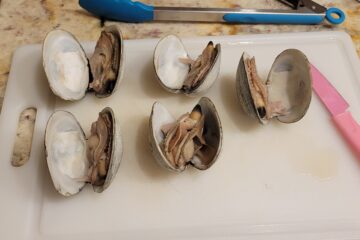
Freshly cooked butter clams harvested during winter clam digging in Washington, opened and resting on a white cutting board

Winter Clam Digging on the Washington Coast

Harvesting Butter and Steamer Clams at Seven Sisters Beach Late January along the Washington coast has a quiet beauty to it. The crowds are gone, the air is sharp and clean, and the tide charts matter more than the calendar. On this particular morning, temperatures sat in the high 30s to low 40s, and low tide created the perfect window for winter clam digging in Washington. While inland foraging options are limited this time of year, living near the coast gives me access to an entirely different food source. The sea does not stop providing in winter. It simply offers different opportunities to those willing to learn its rhythms. This trip took place at Seven Sisters Beach near Port Ludlow,[…]

Read more
Social Share Buttons and Icons powered by Ultimatelysocial