The Hunter Gatherer Society
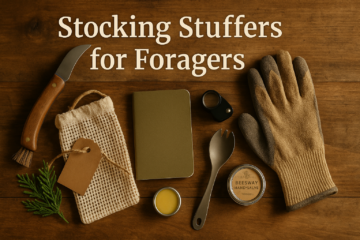
Rustic winter tabletop with mushroom knife, mesh foraging bag, gloves, notebook, magnifier, beeswax salve, and cedar sprigs arranged as stocking stuffers for foragers and mushroom hunters.

12 Best Stocking Stuffers for Foragers and Mushroom Hunters

Holiday shopping for a forager is a special kind of adventure. You can buy them something ordinary, but they will smile politely while secretly wishing you had gifted them a mushroom knife or a mesh bag instead. Foragers are practical, curious, and a little wild at heart. Their stocking should feel the same way. This guide was written for the people who wander quietly through forests, poke at logs with childlike wonder, and get excited about plants most folks mow down without a second thought. These stocking stuffers are small, affordable, and perfect for anyone who loves finding food in the woods. Affiliate Disclosure This article contains affiliate links, including Amazon affiliate links. As an Amazon Associate, I earn from[…]

Read more

Rustic winter tabletop with foraging gifts including a mushroom knife, mesh bag, journal, gloves, and evergreen sprigs arranged warmly for a holiday gift guide.

10 Best Holiday Gifts for Foragers: A Friendly, Field-Tested Guide for Wild Food Lovers

Shopping for a forager can feel oddly impossible. One moment they’re thrilled about a mushroom shaped like a lopsided potato. Later, they’re in the yard explaining the meaning of life to a cedar tree. Because foragers see the world differently, the best gifts are the ones that honor that spark. This guide was written by someone who spends an unreasonable amount of time wandering the woods. The ten gifts below are truly useful, joyful, and chosen with care. Affiliate Disclosure: This article contains affiliate links, including Amazon affiliate links. As an Amazon Associate, I earn from qualifying purchases. These links cost you nothing and help support The Hunter Gatherer Society. 1. The Forager’s Guide to Wild Foods Check it out[…]

Read more
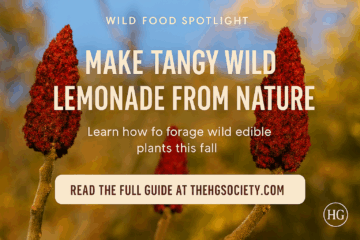
Bright red clusters of staghorn sumac berries glowing in autumn sunlight, a wild edible plant commonly foraged for making tangy wild lemonade and spice.

Foraging Sumac: The Tangy Wild Lemonade Tree

If you love discovering new flavors when you forage wild edible plants, sumac is one you will never forget. Those bright red, cone-shaped clusters that stand out in late summer and fall are not just beautiful. They are tangy, citrusy, and bursting with vitamin C. While most people know sumac as a spice in Middle Eastern cooking, few realize that our native species grow wild across North America. Learning how to identify and harvest it safely opens the door to refreshing drinks, zesty seasonings, and a deeper appreciation for the wild foods around us. Learn more about other fall plants in my full guide Forage Wild Edible Plants This Fall: A Beginner’s Guide A Look Back: The History and Traditional[…]

Read more
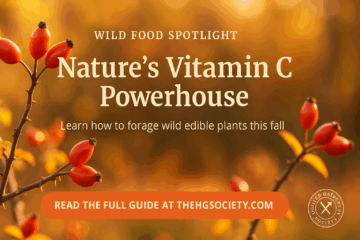
Bright red rosehips growing on wild rose bushes in autumn sunlight, surrounded by soft green and yellow leaves, a vibrant example of wild edible plants to forage for tea, jam, and syrup.

Foraging Rosehips: Nature’s Vitamin C Powerhouse

When you forage wild edible plants in the fall, few are as rewarding as rosehips. These bright red fruits of the wild rose are easy to find, easy to identify, and packed with flavor and nutrition. Rosehips have been prized for centuries as a source of vitamin C and are still loved today for teas, jams, and herbal remedies. Rosehips appear after wild roses drop their petals, transforming simple blossoms into clusters of glowing red fruit that stand out against fading fall colors. Whether you’re new to foraging or just exploring new plants to add to your list, rosehips are a perfect place to start. Learn more about other fall plants in my full guide — Forage Wild Edible Plants[…]

Read more
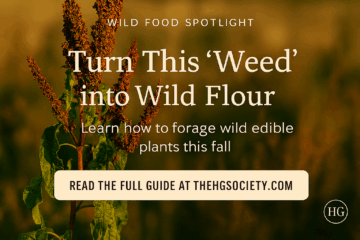
Curly dock plant with tall brown seed stalks and wavy green leaves growing in autumn sunlight, a wild edible plant often foraged and used to make wild flour.

Foraging Curly Dock: From Common Weed to Wild Flour

When you forage wild edible plants, few will surprise you like curly dock. What many people see as an invasive weed is actually a nutrient-rich plant that has fed and healed people for centuries. From its tangy young leaves to its hardy seeds, curly dock offers food, flour, and even medicine if you know how to use it. If you’re learning to forage wild edible plants this fall, curly dock is a great place to start. It’s easy to find, simple to identify, and grows just about everywhere. Learn more about other fall plants in my full guide — Forage Wild Edible Plants This Fall: A Beginner’s Guide A Look Back: The History and Traditional Uses of Curly Dock Curly[…]

Read more
Social Share Buttons and Icons powered by Ultimatelysocial